2 hrs ago
Chouhan Sees No Significant Kharif Output Drop Despite Weather Risks

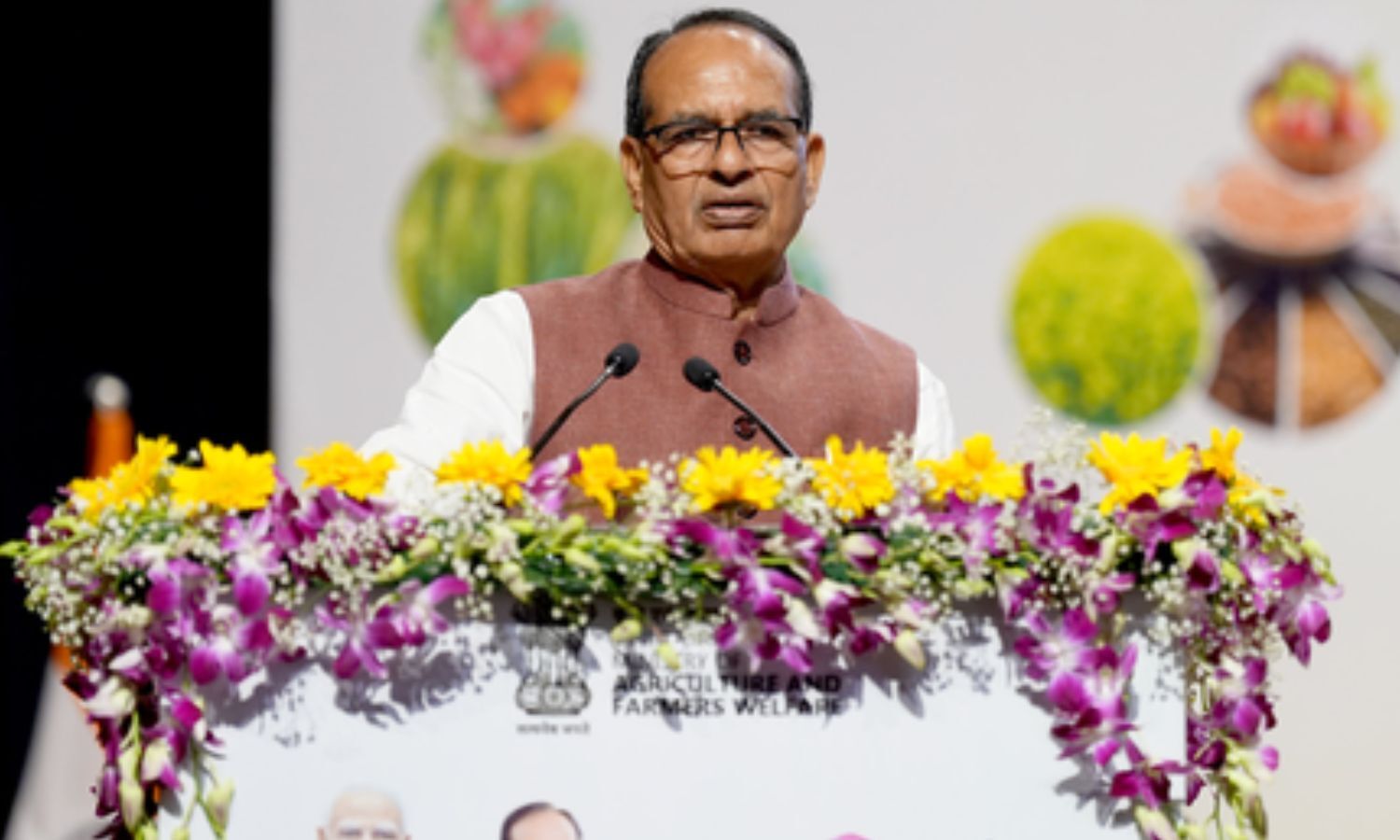
India’s Agriculture Minister said the country should not see a major drop in Kharif food production.
Kharif crops are planted during the rainy season.
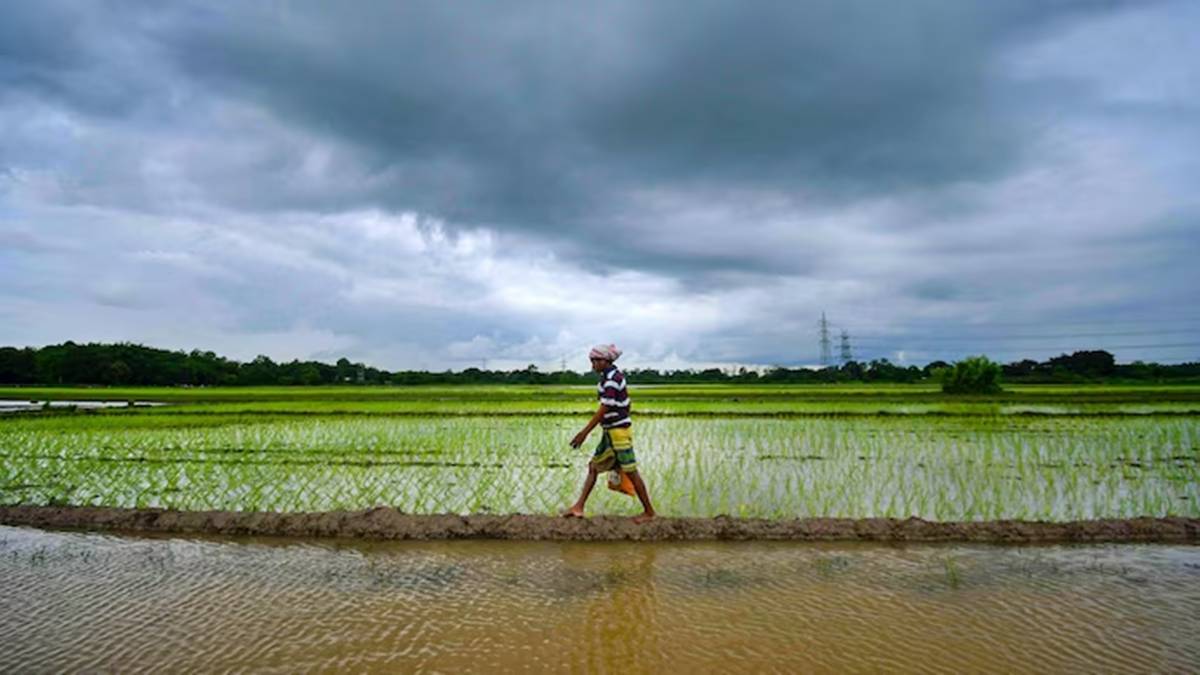
Some areas have received less rain, while other places have faced heavy rain and floods.
The minister said the national rainfall shortage is about 12%, which he said is not yet a major crisis.
Farmers planted less paddy, maize, soybean and cotton than before.
They planted more pulses and coarse cereals in some areas.
The government is working with states to choose crops and seeds that need less water and mature faster.
Officials will assess damage in places such as Karnataka and Maharashtra.
The government also said there will be enough fertiliser for the next Rabi season.

Agriculture Minister Shivraj Singh Chouhan said Kharif foodgrain production should not fall significantly despite El Niño, drought and floods.
The 2026-27 Kharif production target is 196.21 million tonnes, compared with actual output of 174.14 million tonnes in the previous season.
Kharif acreage declined for paddy, maize, soybean and cotton, while plantings of several pulses and coarse cereals increased.
Rainfall is about 12% below normal, and floods have affected crops across approximately 6.11 lakh hectares in several states.
The government said fertiliser supplies are adequate, with an estimated requirement of 380 lakh tonnes and opening stocks above 163 lakh tonnes.
- Who
- Union Agriculture Minister Shivraj Singh Chouhan, state governments and farmers.
- What
- The government assessed Kharif production risks and announced preparations for the 2026-27 Rabi season.
- Where
- New Delhi, with production concerns reported in Karnataka, Maharashtra, Andhra Pradesh, Telangana and Rajasthan.
- When
- The announcement was made on September 29 after a two-day national conference on Rabi preparedness; a Central team is scheduled to visit Karnataka on October 3.
- Why
- To respond to rainfall shortages, possible El Niño conditions, drought, floods, crop damage and changing acreage patterns.
Government assessment
Production concerns
Expected output
Government assessment
Shivraj Singh Chouhan said the current rainfall deficit and broadly comparable overall sown area should not cause a significant national decline in Kharif production.
Production concerns
Reduced acreage in paddy, maize, soybean and cotton, along with drought and flood damage in several states, could create regional production pressures.
Weather risk
Government assessment
The government said there is no major national crisis and is adjusting crop plans, varieties and contingency measures to local conditions.
Production concerns
El Niño, deficient rainfall and reports of drought concerns in Karnataka, Maharashtra and other regions remain potential risks to crops.
Stubble burning
Government assessment
Chouhan said farmers should not be held solely responsible for air pollution because stubble burning is only one contributor.
Production concerns
Stubble burning contributes to pollution, although the article does not attribute a contrary position to a specific group.
Key facts
- Kharif target
- 196.21 million tonnes for the 2026-27 crop year
- Previous Kharif output
- 174.14 million tonnes
- Rabi target
- 177.72 million tonnes for 2026-27
- Rainfall deficit
- Approximately 12%
- Flood-affected cropland
- About 6.11 lakh hectares
- Fertiliser requirement
- Estimated at 380 lakh tonnes
- Fertiliser opening stock
- More than 163 lakh tonnes, compared with 122 lakh tonnes at the start of the previous Rabi season
Quotes

Shivraj Singh Chouhan
Union Agriculture Minister discussing rainfall and Kharif production
“Although rainfall is currently deficient by around 12 per cent, there is no major crisis at the national level”
 theprint.in
“I do not believe that production will be significantly impacted by this level of deficit”
theprint.in
Sources
Related news
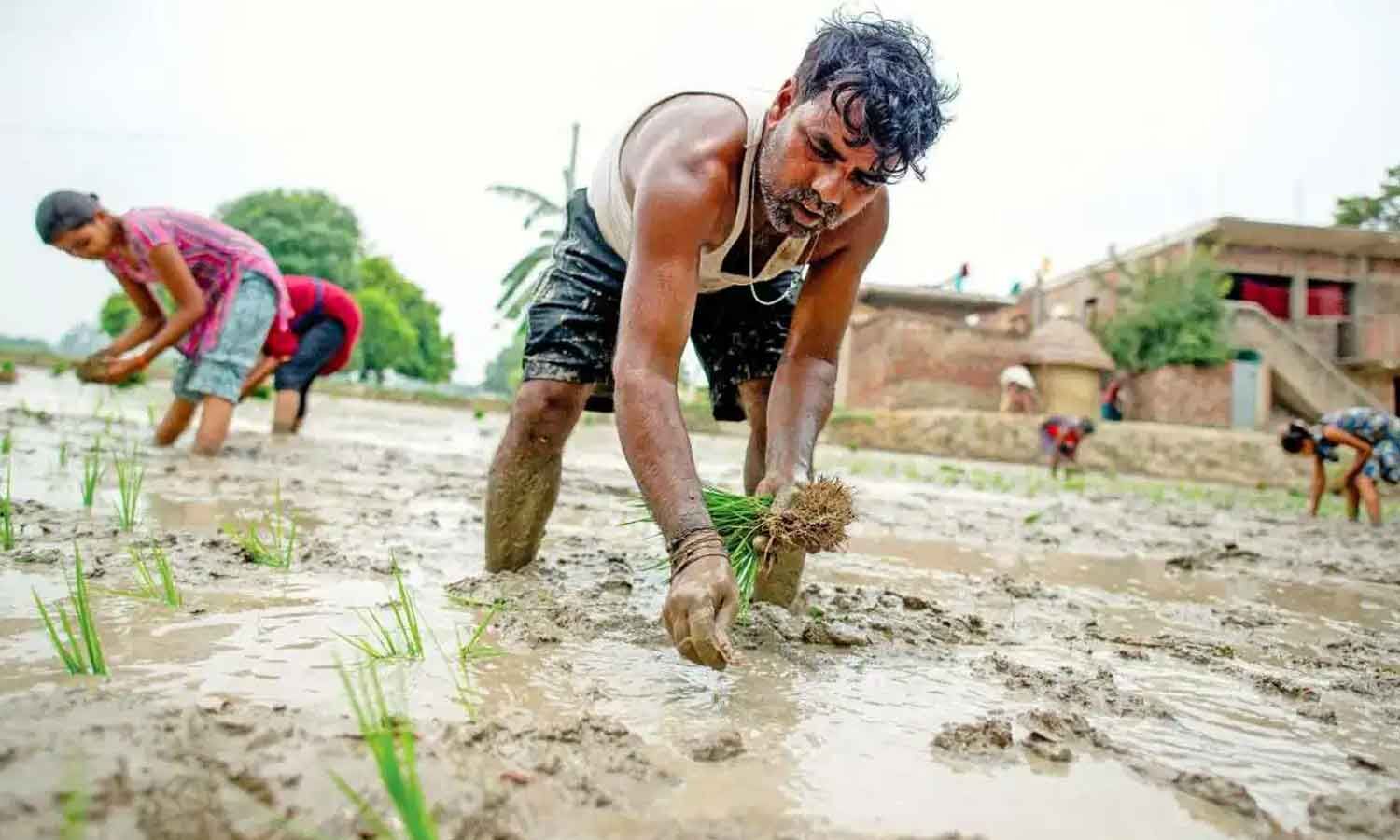
El Nino Threatens Rainfed Rabi Crops, Foodgrain Output Official Warning
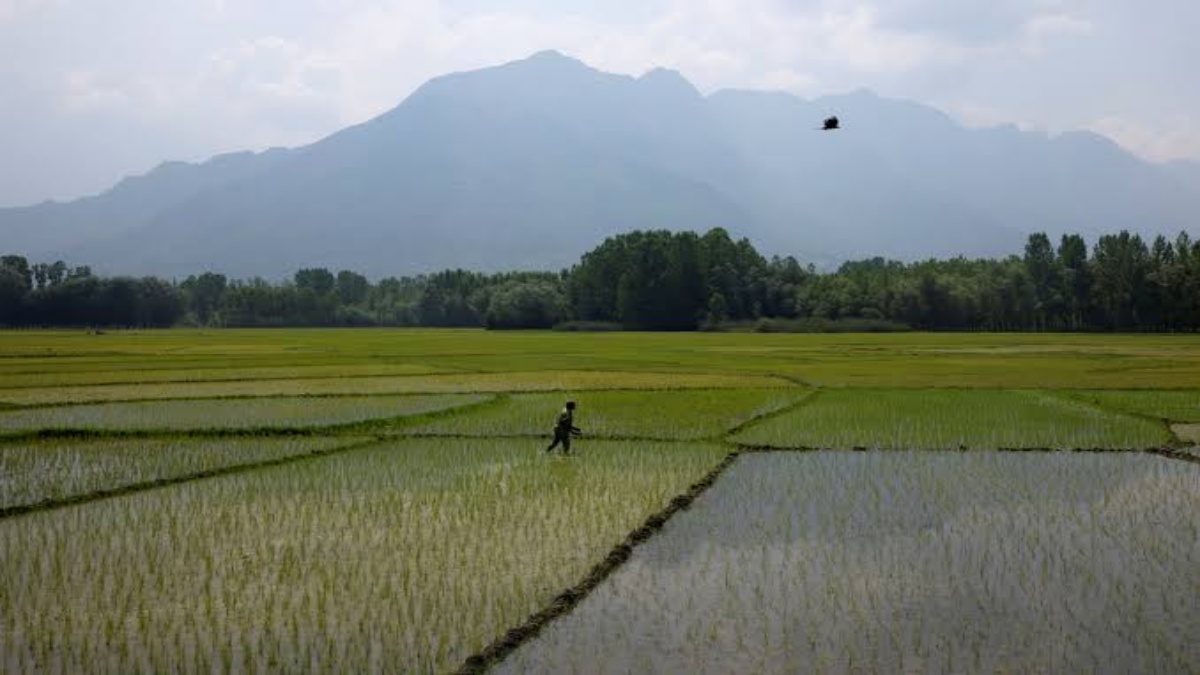
Deficient Monsoon Raises Drought Risks for India’s Winter Crops
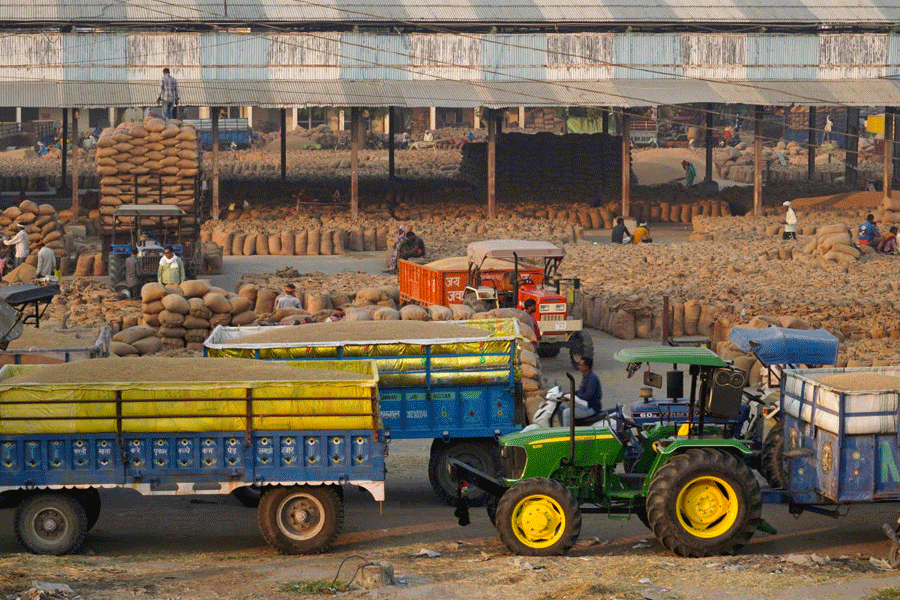
India Rice Production Faces Steepest Fall in Nearly Two Decades
India Faces Drought Risks as El Niño Weakens Monsoon
Southern States Face Severe El Niño Impact, Agriculture Minister Says
Centre Sanctions Rs 1,200 Crore to Ten States Under PM-RKVY
Shivraj Singh Chouhan Urges Agriculture Officials to Take Notes

Heavy September Rain Narrows India’s Overall Monsoon Deficit