9 hrs ago
Uttarakhand Plans Rudraksh Farming to Stem Hill Migration
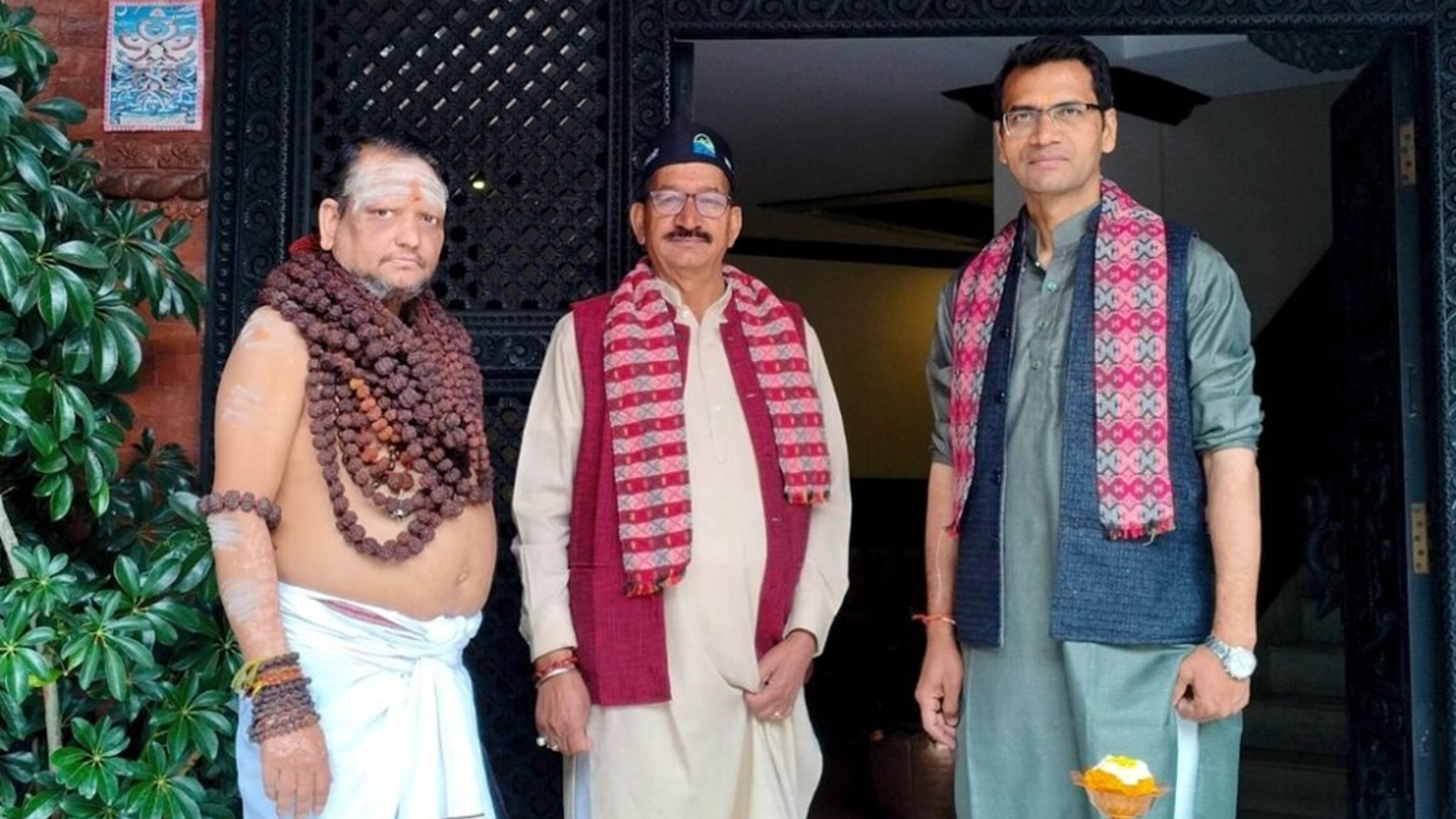
Uttarakhand wants farmers in its hills to grow Rudraksh trees.
Rudraksh seeds are used to make prayer beads and are important to some religious traditions.
Officials hope this crop can give families a reason to stay in their villages.
Many people leave the hills because farming earns little money and wildlife can damage crops.
A government team studied how Rudraksh is grown in Nepal.
The team says parts of Uttarakhand have similar soil and weather.
However, the trees take six to eight years to start producing seeds.
The plan may provide government help, training, and other work while farmers wait for the trees to mature.

The Uttarakhand government is preparing a policy for Rudraksh cultivation in hill districts.
The proposal aims to create rural incomes and reduce migration caused partly by weak agricultural opportunities.
A government delegation studied Rudraksh cultivation in Nepal and submitted a 197-page technical report.
The report says several Uttarakhand districts have soil and climate conditions suitable for Rudraksh plantations.
Challenges include a six-to-eight-year wait for fruiting, species confusion, and the need for organized marketing.
- Who
- The Uttarakhand government, Horticulture Department, Tehri MLA Kishore Upadhyay, and an expert delegation led in part by agricultural scientist Ramesh Singh Pal.
- What
- The government is developing a formal policy to promote Rudraksh cultivation as a new rural income source.
- Where
- The proposed cultivation areas are Uttarakhand’s hill districts, with Nepal’s Bhojpur district studied as a comparison.
- When
- The policy instruction was issued on August 31; the delegation visited Nepal from March 23 to 29 and presented its report in July.
- Why
- The plan is intended to create income, address unused and fragmented farmland, and help reduce migration from the hills.
Case for Rudraksh Expansion
Challenges and Cautions
Reducing migration
Case for Rudraksh Expansion
Supporters say Rudraksh could create cash income from underused hill land and provide an alternative to migration caused by low agricultural returns.
Challenges and Cautions
Critics and project experts point to the long wait before trees produce fruit, meaning farmers may receive little income for years.
Market opportunity
Case for Rudraksh Expansion
The report identifies strong demand in China and other countries and says Uttarakhand could enter a market dominated by Nepal and Indonesia.
Challenges and Cautions
The proposal would require reliable cultivation, grading, processing, and marketing systems; the article does not establish that Uttarakhand has yet secured this market.
Crop suitability
Case for Rudraksh Expansion
The delegation’s comparative analysis says Uttarakhand’s soil, altitude, temperature, and rainfall are broadly comparable to Nepal’s growing regions.
Challenges and Cautions
Officials warn that Bhadraksh, a different species, can be mistaken for Rudraksh until fruiting begins, while wildlife, fragmented holdings, and delayed production remain practical concerns.
Key facts
- Proposed cultivation target
- 10,000 hectares and 10 million trees by 2047.
- Potential farmer participation
- An estimated 50,000 to 70,000 farmers.
- Estimated rural jobs
- Up to 150,000 jobs, according to the report.
- Fruit-bearing timeline
- Rudraksh trees reportedly begin fruiting after six to eight years and reach peak production in about 10 years.
- High-potential districts
- Pauri, Tehri, Rudraprayag, Chamoli, Almora, and Bageshwar.
- Moderate-potential districts
- Nainital, Champawat, Pithoragarh, and hill areas of Dehradun.
- Reported mature-tree yield
- One tree may produce 1,000 to 2,000 beads annually.
Quotes
Ramesh Singh Pal
Senior agricultural scientist and member of the Rudraksh study delegation
“China is buying a lot of Rudraksh because it has both religious and medicinal uses there. There are different rituals and traditions in which Rudraksh is used, and people also wear it as a necklace, considering it sacred.”
 indianexpress.com
“Our villages in Uttarakhand have become ghost villages. It’s happening because there is simply nothing there. The land is just lying empty.”
indianexpress.com
Sources
Related news

Uttarakhand Plans Dehradun Centre to Market SHG Products

Uttarakhand Minister Details Forest, Health and Eco-Tourism Plans

Nepal Floods, Kailash Pilgrims, H-1B Fees and India’s Week

Dhami Seeks Global Jobs Roadmap and Language Training

UP-Japan Partnership Targets Concrete Projects in Hydrogen and Skills

UPSC Weekly Current Affairs: Environment, Diplomacy, Defence and Economy

India and Nepal Move to Ease Trade, Customs Barriers
Nepal Plans Passport-Free Travel System for Foreign Visitors
BC Block Durga Puja Sends Flood Relief to Nepal

UPSC Key: Conflicts, Devolution, Social Security and Himalayan Hazards