3 weeks ago
Fungus Found in Pakistan Landfill Breaks Down Tough Plastic
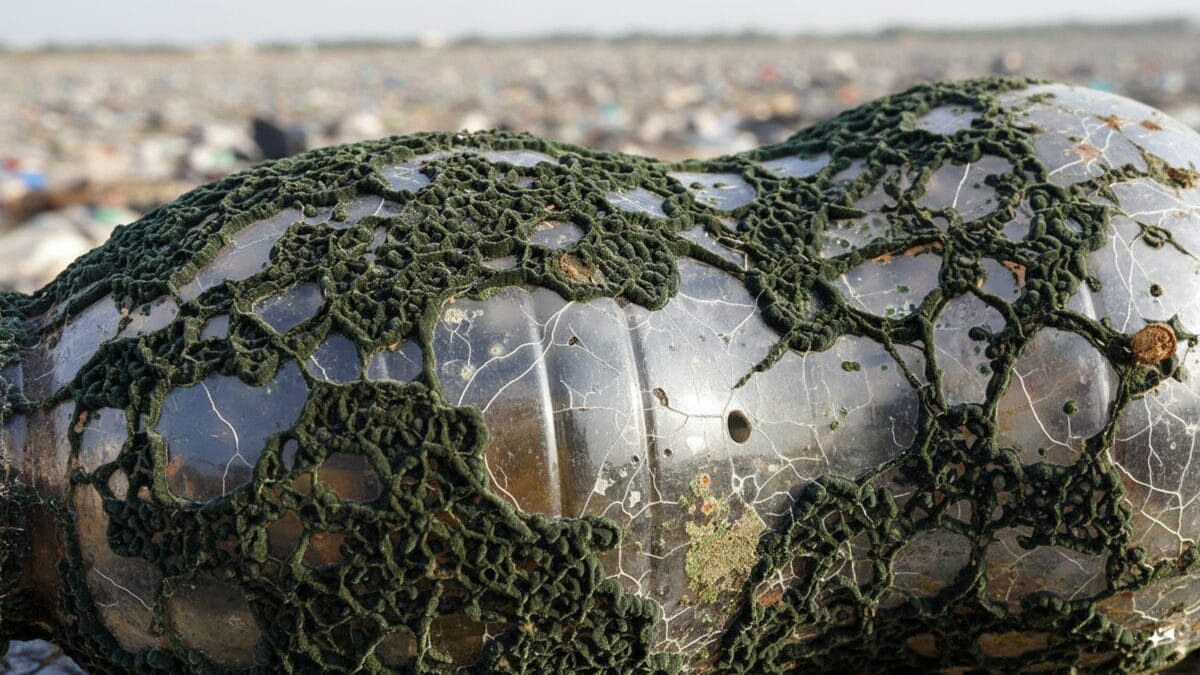
Scientists found a tiny living thing called a fungus in a garbage dump in Islamabad, Pakistan.
This fungus, named Aspergillus tubingensis, can break down a very tough kind of plastic called polyurethane.
Polyurethane is used in lots of things like fake leather, cushions, coatings and insulation.
This plastic is very hard to break down and usually stays around for a long time.
In laboratory tests, the fungus grew on the plastic and made it crack, erode, and form holes.
In one liquid experiment, the plastic film was completely broken into smaller pieces after two months.
The fungus uses special helpers called enzymes, like esterase and lipase, to do this.
This does not mean plastic trash will vanish quickly in the real world because the tests were done in a lab.
Still, scientists hope that the fungus or its enzymes could one day help clean up tough plastic waste.

Aspergillus tubingensis, a fungus isolated from soil at a municipal waste disposal site in Islamabad, Pakistan, can degrade polyester polyurethane (PU).
The finding was reported in a 2017 study published in the journal Environmental Pollution.
Researchers observed surface scarring, cracking, erosion and pore formation on the plastic using scanning electron microscopy.
The study identified esterase and lipase enzyme activity during the degradation experiments.
In a liquid-culture experiment, the polyurethane film was totally degraded into smaller pieces after two months, under controlled laboratory conditions.
- Who
- Scientists who isolated Aspergillus tubingensis from soil at a waste disposal site in Islamabad, Pakistan.
- What
- Discovered that the fungus can degrade polyester polyurethane plastic in laboratory experiments.
- Where
- Islamabad, Pakistan; the experiments were carried out in laboratory cultures and soil burial conditions.
- When
- The finding was published in a 2017 study; the article about it was published on August 09, 2026.
- Why
- Polyurethane is widely used and resistant to degradation, and the discovery offers a potential biological route for treating difficult plastic waste.
Key facts
- Organism
- Aspergillus tubingensis
- Location found
- Municipal waste disposal site, Islamabad, Pakistan
- Plastic degraded
- Polyester polyurethane (PU)
- Study
- "Biodegradation of polyester polyurethane by Aspergillus tubingensis", published 2017 in Environmental Pollution
- Key enzymes
- Esterase and lipase
- Lab result
- Polyurethane film totally degraded after two months in liquid culture
- Significance
- First reported case of A. tubingensis degrading polyurethane
- Methods used
- Laboratory cultures, soil burial experiments, scanning electron microscopy, ATR-FTIR spectroscopy
Sources
Related news
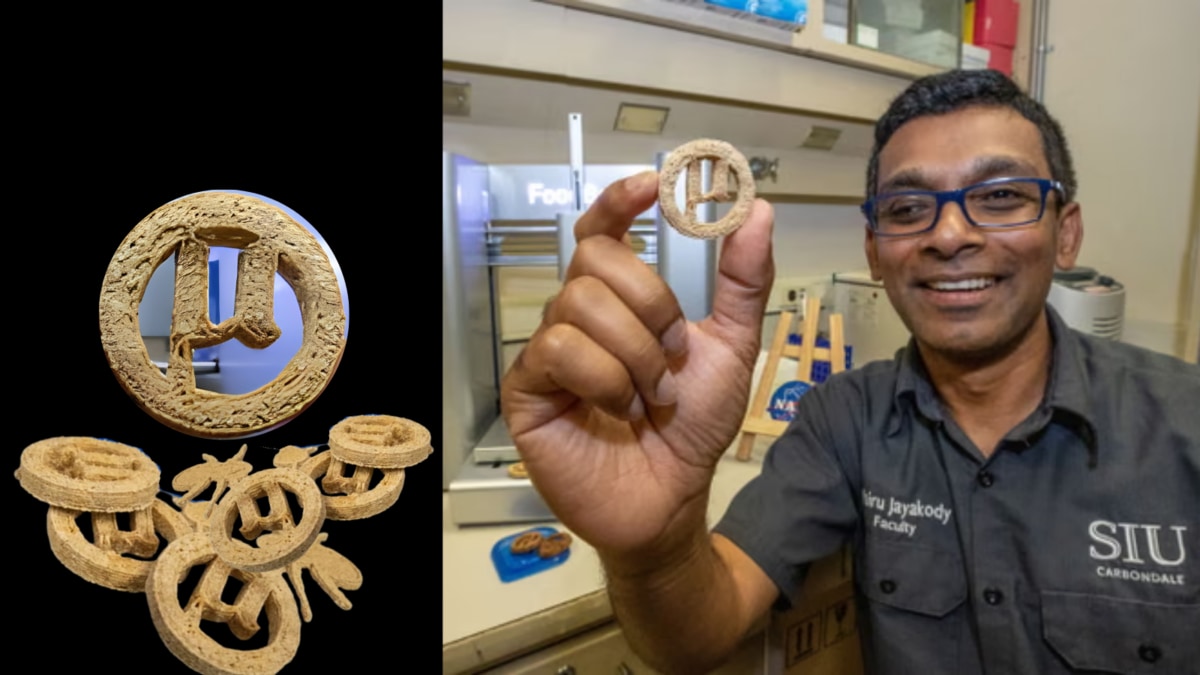
Scientists Turn Plastic Waste Into Protein-Rich 3D-Printed Cookies
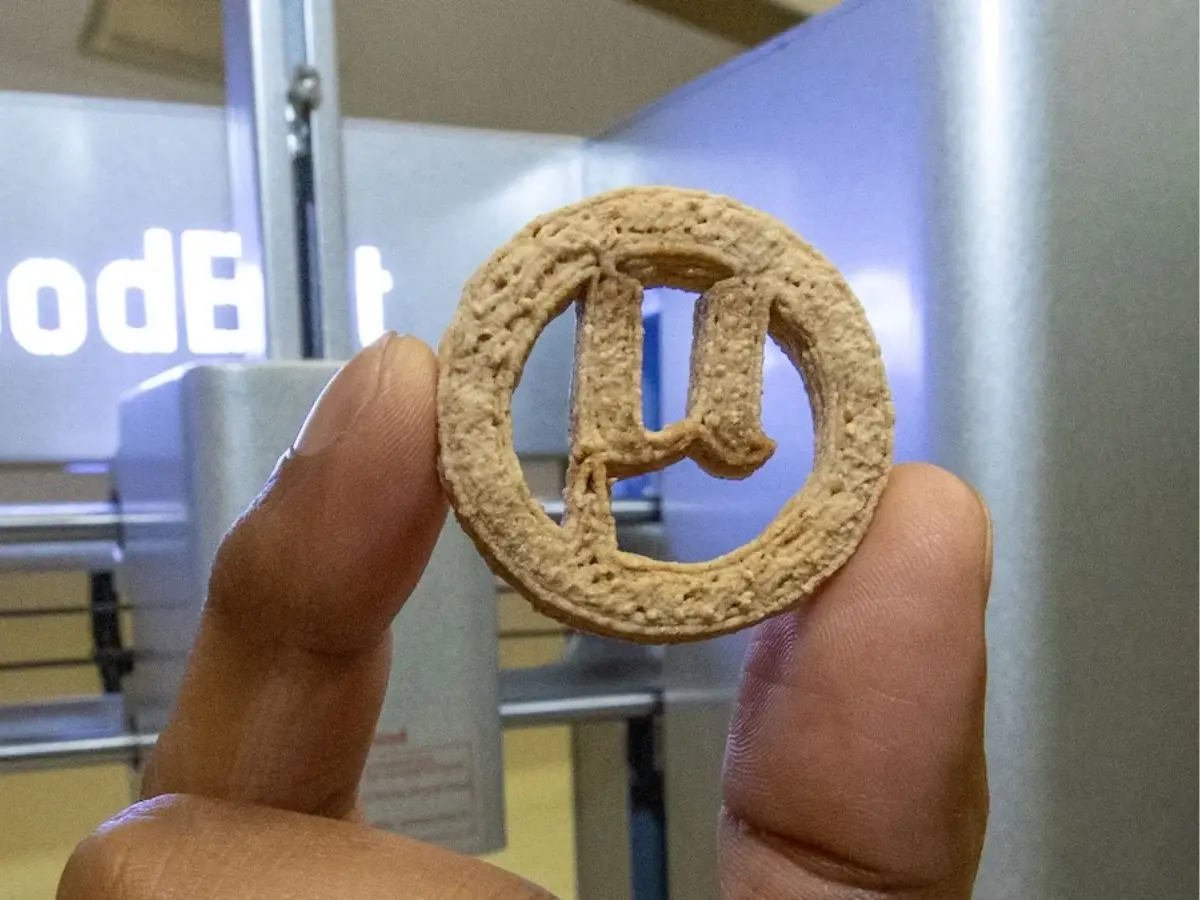
Researchers Turn Plastic Waste Into NASA-Tested 3D Cookies

Scientists Create Cookie Using Ingredients Derived From Plastic Bottles
Pune Couple’s Startup Converts Hard-to-Recycle Plastic Into Footwear

Scientists warn fungus from mummies could spread and harm humans