

1 week ago
Scientists Turn Plastic Waste Into Protein-Rich 3D-Printed Cookies
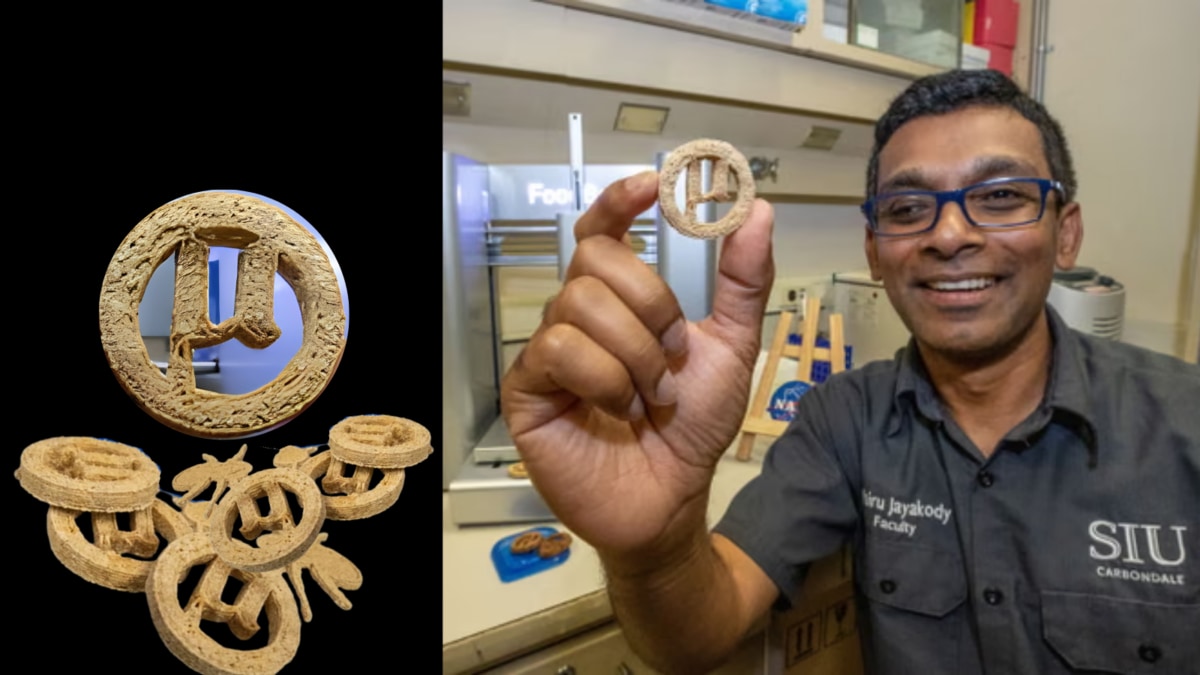
Scientists are trying to make cookies from plastic bottles and plant waste.
They do not put pieces of plastic directly into the cookies.
Instead, heat, water, oxygen, and pressure break the materials into tiny chemical pieces.
Special microbes then use those pieces to make proteins, fats, sugars, and other ingredients.
The ingredients are mixed into a paste and shaped with a 3D printer.
Other microbes can help create vanilla flavour and orange-coloured beta-carotene.
The project is funded by NASA to explore food production during long space missions.
The cookies might also help in submarines or disaster zones where food is difficult to deliver.
People have not tasted them yet because the researchers are still waiting for approval.

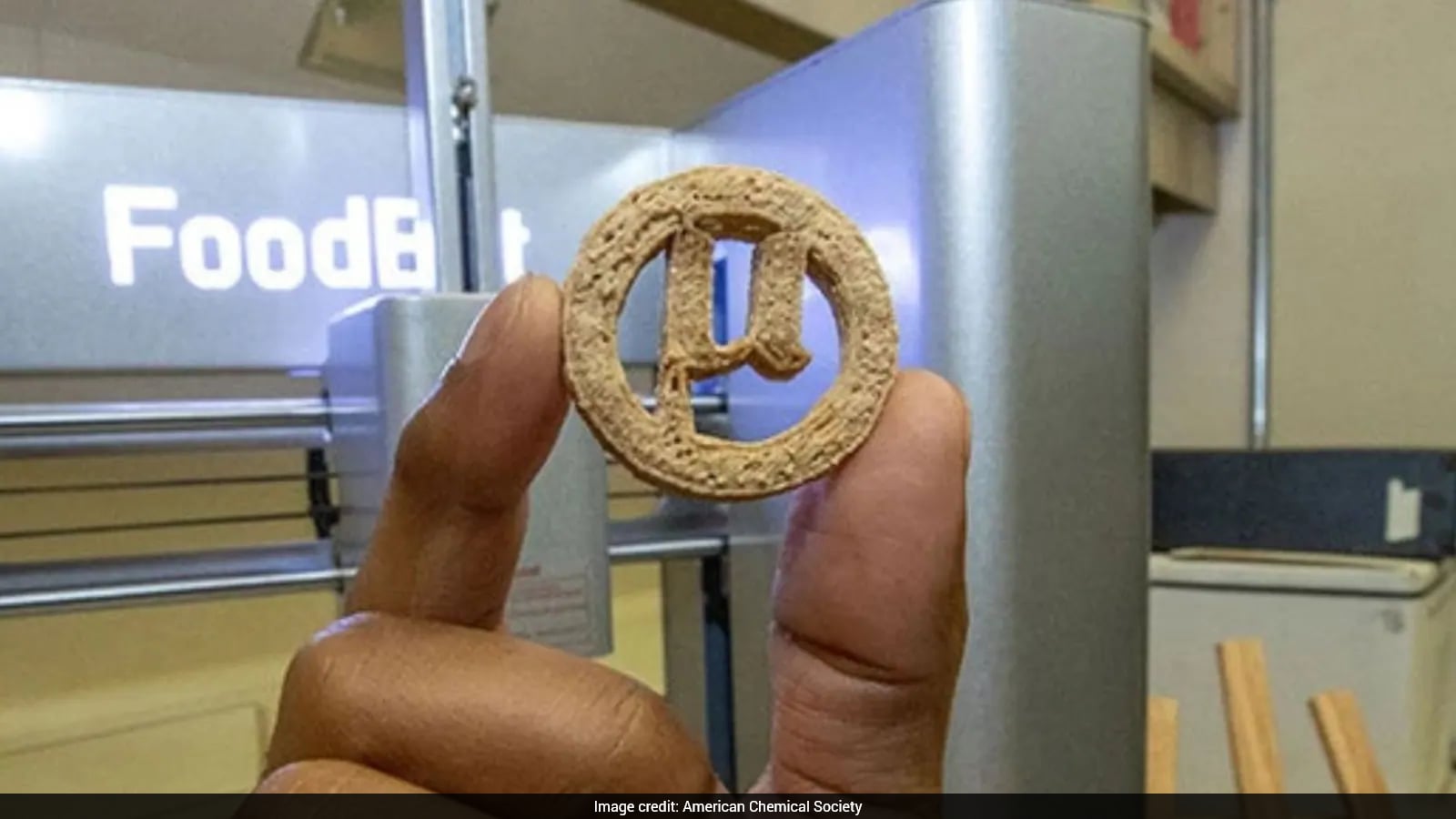
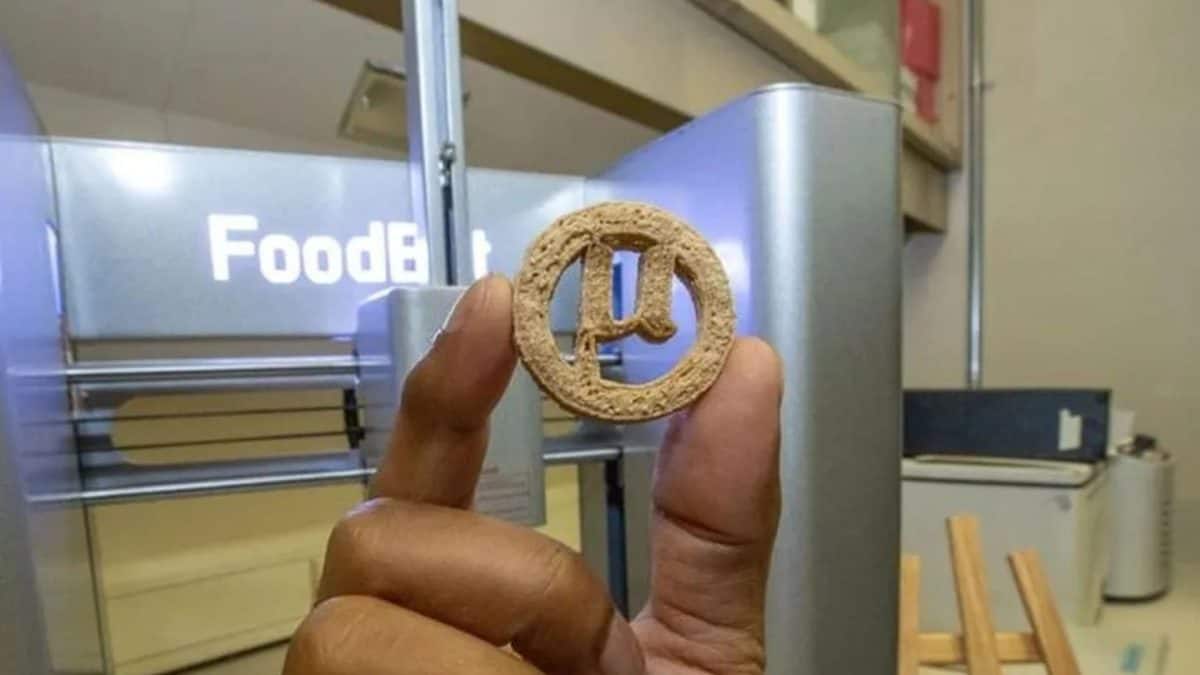
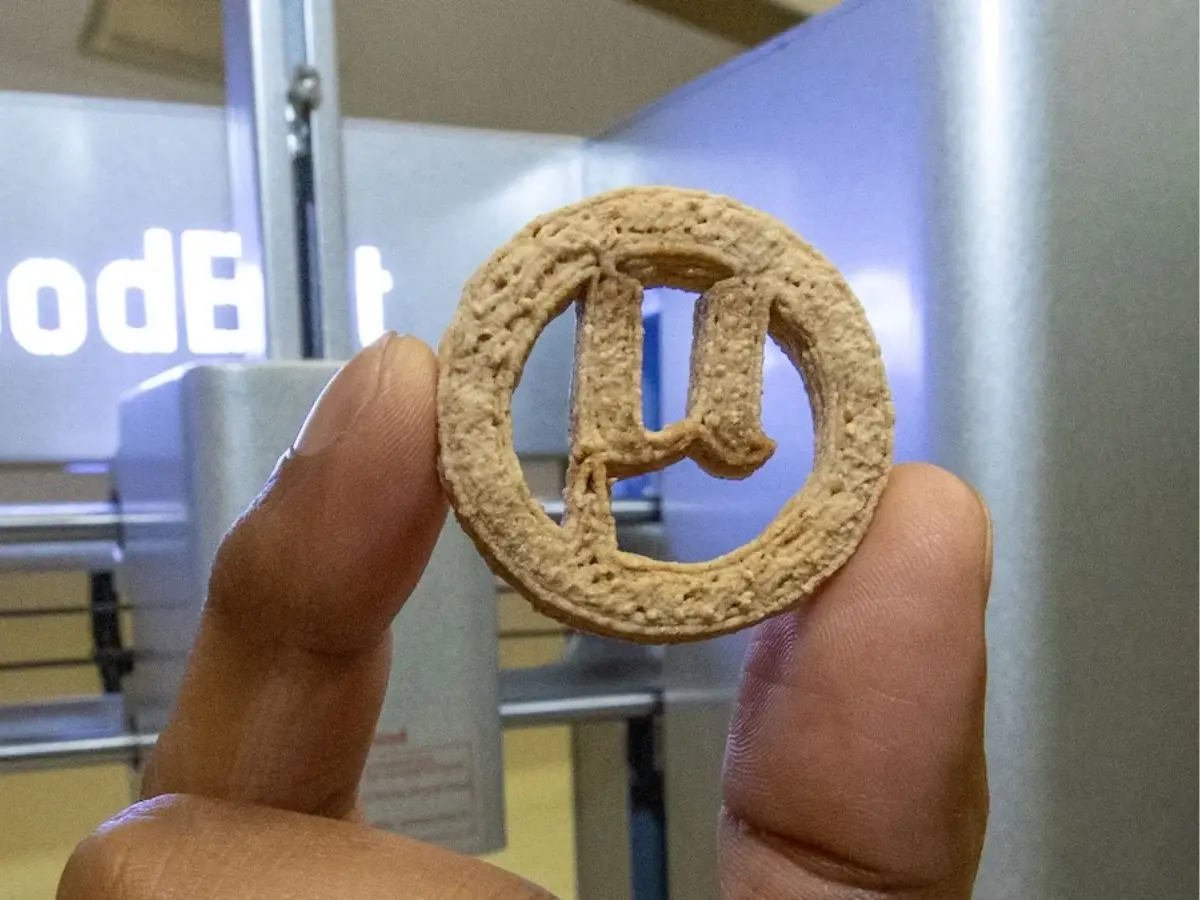
Researchers at Southern Illinois University Carbondale made protein-rich 3D-printed cookies called µBites from PET plastic and corn waste.
Water, oxygen, heat, and pressure break the materials into compounds that engineered microbes can use.
Engineered yeast converts those compounds into biomass containing proteins, fats, sugars, and organic acids.
The biomass is mixed with fibre, starch, sweetener, and flavouring before being 3D-printed and baked or cured.
The cookies have not been approved for human tasting, and production currently costs about $60 per kilogram.
- Who
- Researchers at Southern Illinois University Carbondale led by microbiologist Lahiru Jayakody, with NASA support.
- What
- They developed µBites, protein-rich 3D-printed cookies made using PET plastic, corn waste, and other biomass.
- Where
- The research is based at Southern Illinois University Carbondale, and the results were presented in Chicago.
- When
- The latest results were presented at the American Chemical Society's ACS Fall 2026 meeting; the articles were published in August 2026.
- Why
- The project aims to develop food-production systems for long-duration space missions and potentially for submarines, disaster zones, and other places with limited supply chains.
Potential benefits
Remaining concerns
Waste-to-food technology
Potential benefits
Researchers say PET and agricultural waste could be converted into useful nutritional biomass, potentially addressing plastic pollution and food-production challenges.
Remaining concerns
The cookies remain an experimental prototype, and their safety, taste, affordability, and consumer acceptability have not been fully established through approved human testing.
Space and emergency applications
Potential benefits
The technology could help produce food during long space missions and in submarines or disaster zones where regular supply chains are unavailable.
Remaining concerns
The current process costs about $60 per kilogram and still requires further refinement and testing before practical use.
Human consumption
Potential benefits
The researchers report that the cookies have scored well on aroma, and the microbial process is designed to transform plastic-derived compounds into food-related biomass.
Remaining concerns
No human taste testing has begun because the team is still awaiting institutional approval.
Key facts
- Plastic material
- Polyethylene terephthalate, or PET, commonly used in water and soda bottles.
- Agricultural inputs
- Discarded corn stalks, corn leaves, and other biomass.
- Breakdown process
- Oxidative hydrothermal dissolution uses water and oxygen under high heat and pressure.
- Microbial conversion
- Engineered bacteria or yeast convert the resulting compounds into biomass containing proteins, fats, sugars, and organic acids.
- Additional ingredients
- The biomass is combined with fibre, starch, sweetener, and flavouring.
- Testing status
- The cookies had received positive marks for aroma but had not received institutional approval for human taste testing.
- Production cost
- About $60 per kilogram.
- Potential uses
- Long-duration space missions, submarines, disaster zones, and other settings with limited food supplies.
Quotes
Dr Lahiru Jayakody
Microbiologist at Southern Illinois University Carbondale and leader of the plastic-upcycling food project
“We were trying to develop technologies for plastic upcycling to make more valuable products. We thought, why not focus on making food? Because plastic is carbon and food is carbon.”
 NDTV
NDTV
 firstpost.com
“When an astronaut goes to Mars, they have to survive in extreme conditions. The round-trip is three years. You have to use everything you have.”
NDTV
Sources
Related news
Researchers Turn Plastic Waste Into NASA-Tested 3D Cookies

Scientists Create Cookie Using Ingredients Derived From Plastic Bottles
Study Finds Hot Takeaway Paper Cups Release Millions Of Microplastics
Fungus Found in Pakistan Landfill Breaks Down Tough Plastic

NASA Finds Earth Microbes Could Survive Near Moon’s South Pole

IIT Indore's breakthrough converts waste into green chemicals
