

2 hrs ago
Rare Earths Give China Leverage at Trump-Xi Summit

Rare earths are 17 special metals used to make many modern technologies.
They are needed for phones, electric cars, military equipment and artificial-intelligence machines.
China mines and processes a large share of these materials.
The United States wants China to keep sending them, but shipments to the U.S. have recently declined.
This gives China an important bargaining tool in trade talks.
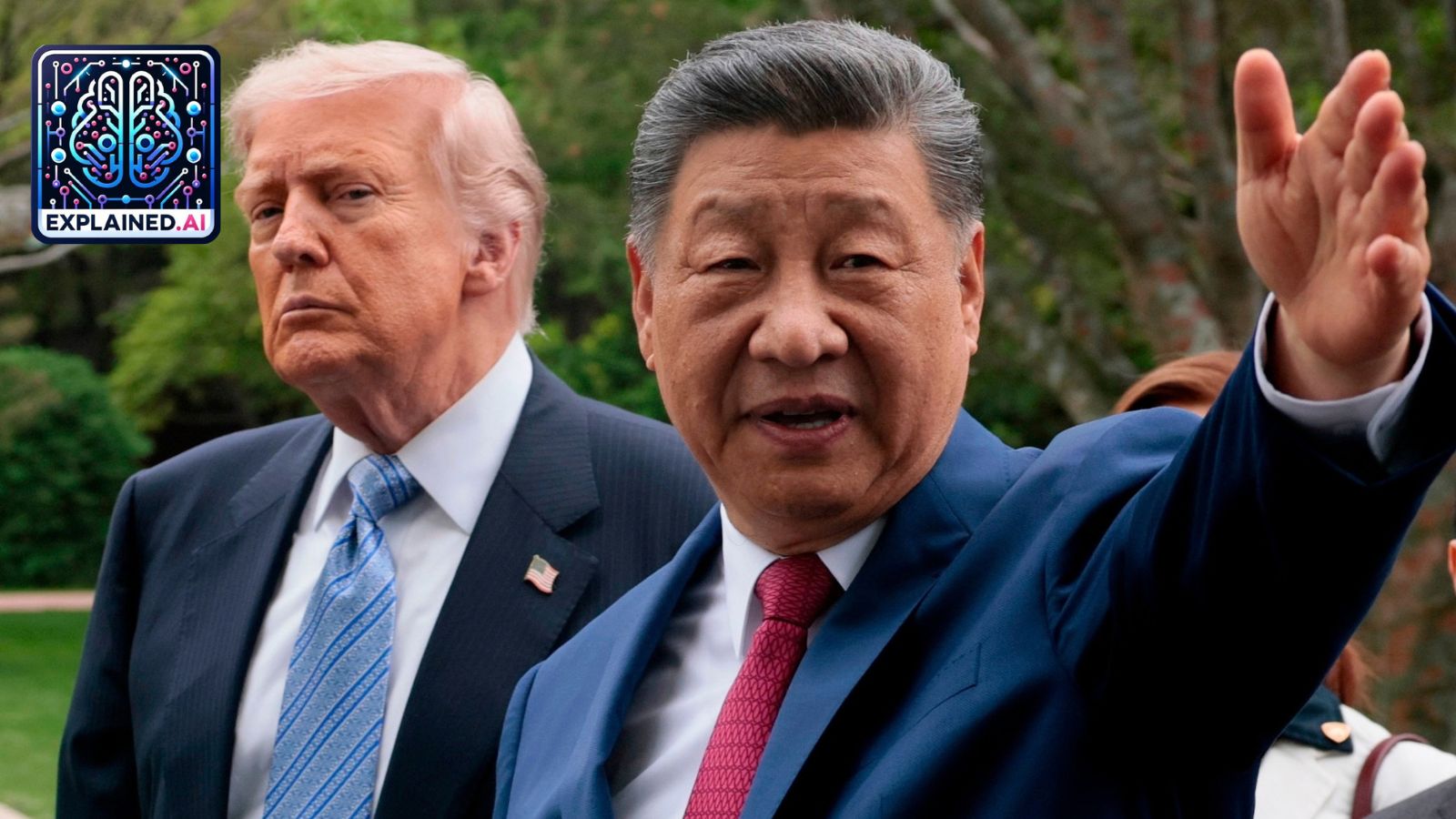
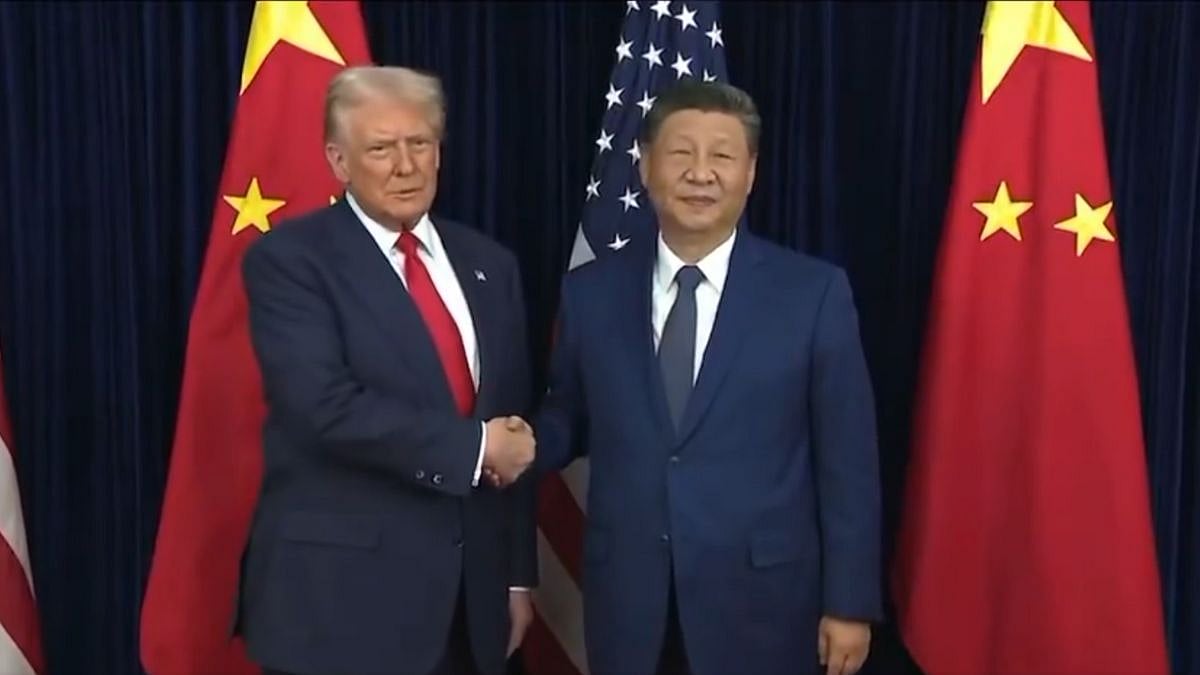
President Donald Trump and President Xi Jinping are expected to discuss the issue at their summit.
The two countries are also arguing about whether to extend a trade agreement that eased some tariffs and restrictions.
The United States is looking for other sources, including projects connected to Greenland, but building new supply chains could take time.

China’s rare-earth supply and processing dominance is expected to be a major issue at the Trump-Xi summit.
Chinese customs data showed rare-earth exports to the United States fell 13% year on year in August and 20% from July.
U.S. and Chinese officials remain divided over extending the 2025 Busan trade agreement, partly because of rare-earth export restrictions.
Rare earths are used in smartphones, electric vehicles, wind turbines, defense systems, advanced electronics and artificial-intelligence hardware.
The United States is seeking alternative supplies, including through cooperation involving Greenland, while China remains the fastest potential source of relief for U.S. shortages.
- Who
- U.S. President Donald Trump, Chinese President Xi Jinping, and trade officials from both countries, including Jamieson Greer, Scott Bessent and He Lifeng.
- What
- The Trump-Xi summit is expected to address rare-earth exports, tariffs and the possible extension of the 2025 Busan trade agreement.
- Where
- Washington, D.C.; related trade talks were held in New York, and alternative rare-earth supplies are being pursued through Greenland.
- When
- The summit is scheduled for this week; the Busan agreement is set to expire on November 10, 2026.
- Why
- Rare earths are essential to advanced technologies and defense systems, while China dominates their processing and has restricted some exports to the United States.
U.S. Diversification and Pressure
China’s Export Leverage
Rare-earth supply
U.S. Diversification and Pressure
The United States is seeking alternative sources, including projects linked to Greenland, to reduce dependence on China.
China’s Export Leverage
China controls much of the processing of rare earths and the production of powerful magnets, making it a crucial source for U.S. industries.
Trade agreement extension
U.S. Diversification and Pressure
U.S. officials are considering a shorter three-to-six-month extension and are pressing China to provide sufficient strategic-mineral exports.
China’s Export Leverage
China is reportedly seeking an extension through the end of Trump’s presidency and has maintained restrictions on some rare-earth exports.
Negotiating position
U.S. Diversification and Pressure
Washington has warned that Chinese export restrictions create uncertainty and threaten supply chains for advanced technologies.
China’s Export Leverage
Beijing’s control over rare-earth exports gives it a bargaining chip in negotiations over tariffs and broader economic relations.
Key facts
- Rare-earth elements
- A group of 17 metallic elements with distinctive magnetic, electrical and optical properties.
- August exports
- Chinese rare-earth exports fell 13% year on year, according to Chinese customs data cited in the article.
- Monthly decline
- Shipments were down 20% compared with July.
- Key applications
- Rare earths are used in smartphones, electric vehicles, wind turbines, defense systems, advanced electronics and AI hardware.
- Busan agreement
- The 2025 trade truce lowered some U.S. tariffs, paused additional restrictions on Chinese-linked companies and suspended certain Chinese rare-earth export controls for one year.
- Expiration date
- The agreement is scheduled to expire on November 10, 2026.
- Proposed trade arrangement
- A new U.S.-China Board of Trade is working on a framework covering up to $30 billion of tariff-reduced trade for each side.
Quotes

Jamieson Greer
US Trade Representative involved in negotiations with Chinese officials
“They have limited rare earth exports. They’ve controlled them.”
 livemint.com
Sources
Related news
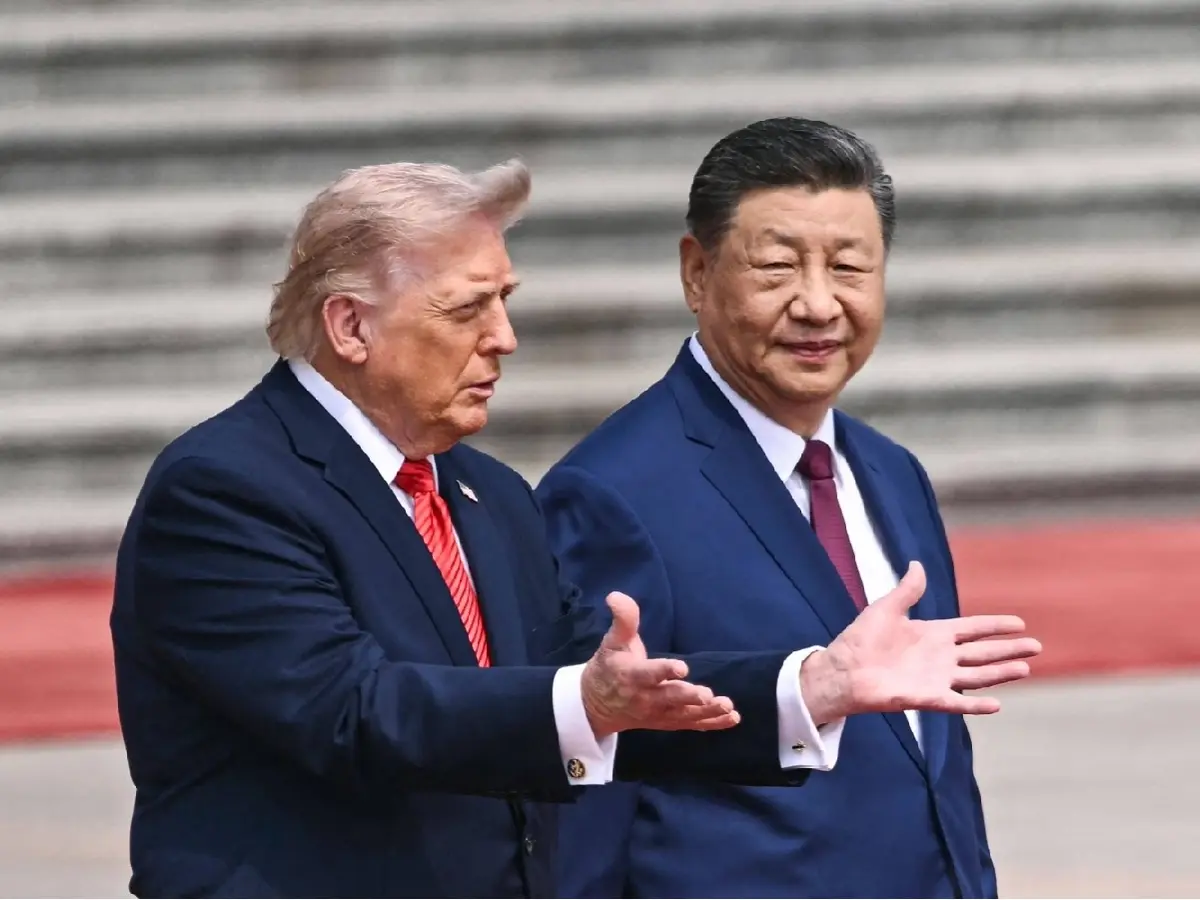
US Prioritizes Rare-Earth Licences, Bilateral Trade Board Ahead of Summit

Trump and Xi Prepare for High-Stakes White House Talks
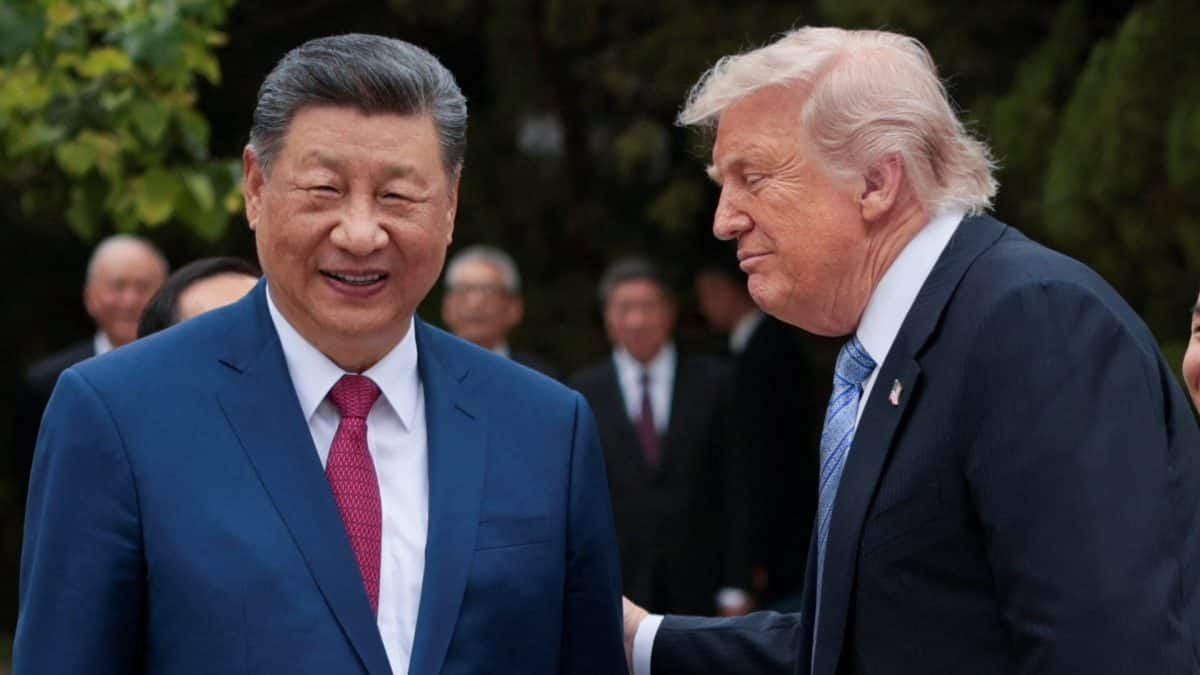
Chinese Rare Earth Suppliers Restrict U.S. Shipments Amid Beijing Fears
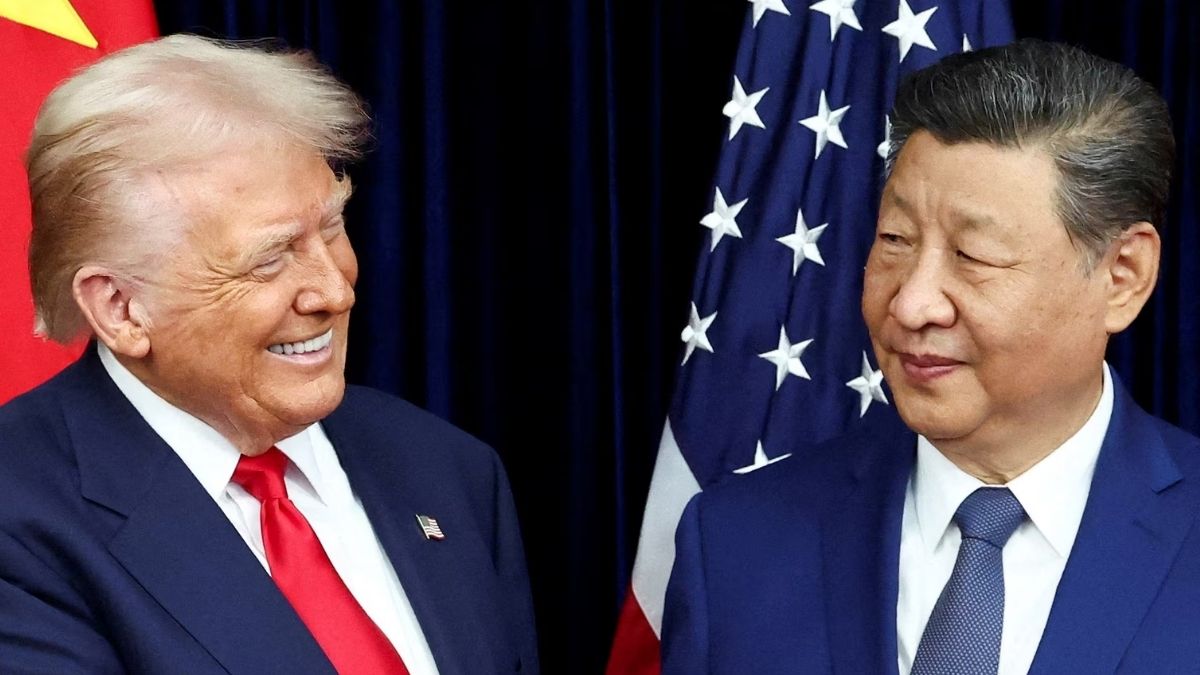
Xi Jinping's US Visit Tests Trade and AI Cooperation
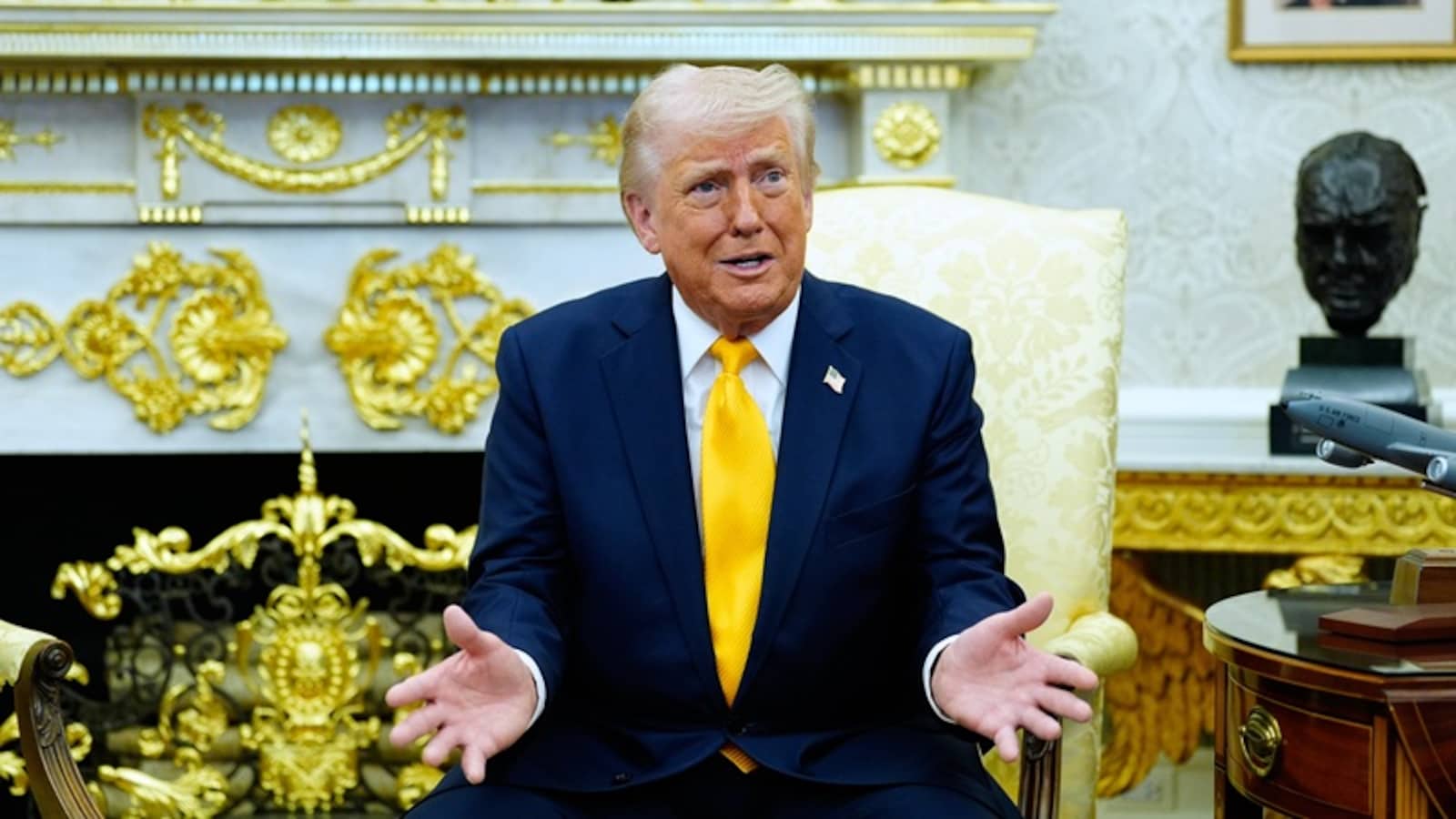
Trump Faces Difficult Choices in Contest With China Over AI

Trump-Xi Washington Summit Focuses on Trade, Taiwan and Security
US-China AI Dialogue Highlights Divergent Approaches to Frontier Risks

Gold and Silver Prices Rise Across Indian Retail Markets
Trump-Xi Washington Summit Tests Managed Rivalry

Araghchi Arrives in New York Amid Iran-US Tensions
