1 day ago
US Prioritizes Rare-Earth Licences, Bilateral Trade Board Ahead of Summit
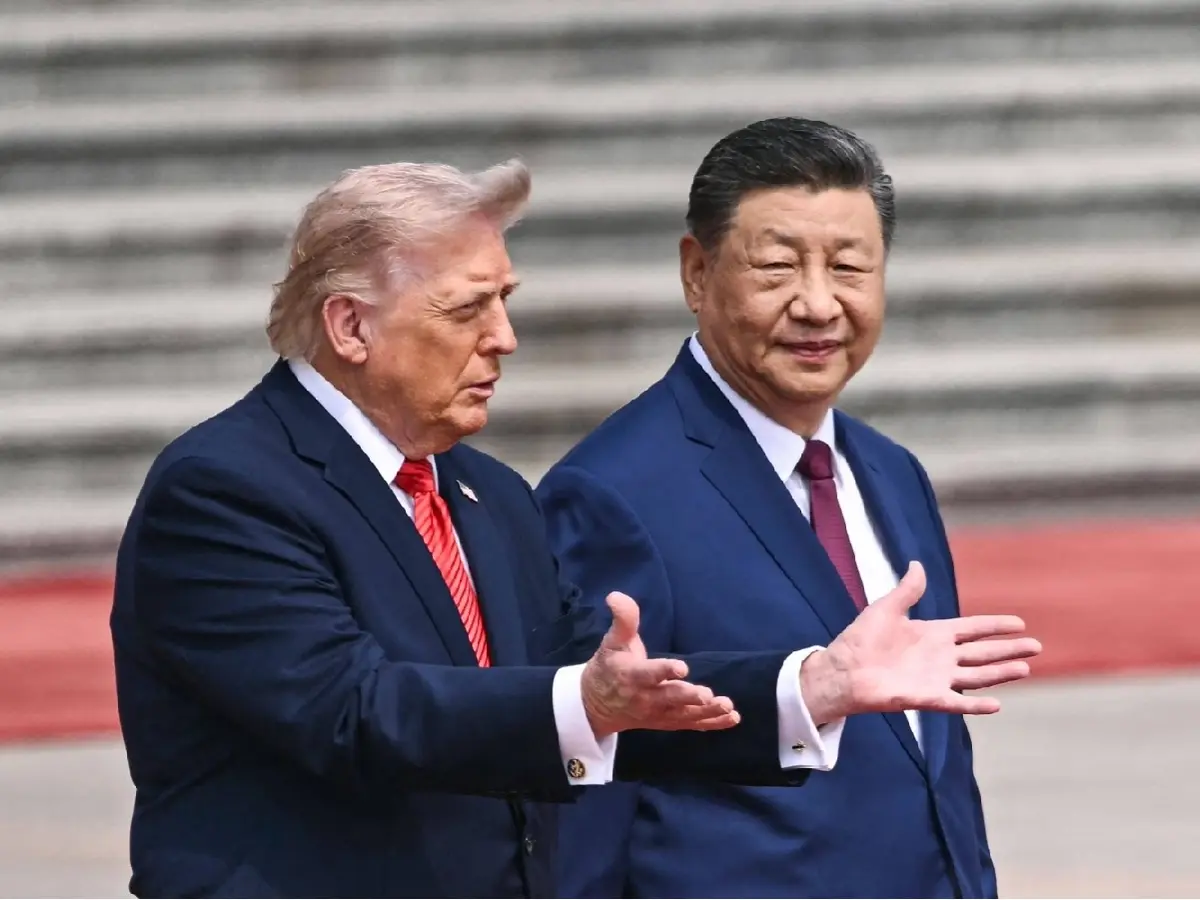
The United States needs special minerals called rare earths to make products such as cars, electronics, medical devices, and military equipment.
China processes most of these minerals worldwide.
China has required licences for some exports, and shipments have sometimes been delayed or stopped.
This has made American companies worry about getting enough supplies.
The United States is building its own processing capacity, but that will take years.
American officials therefore want China to make export approvals faster and more predictable.
The two countries are also discussing a Board of Trade made up of senior officials.
That board would help monitor agreements and consider lowering tariffs on some goods.

The United States wants more reliable Chinese export licences for rare-earth materials before a Donald Trump–Xi Jinping summit.
China controls about 90% of global rare-earth refining and nearly all heavy rare-earth processing, according to the article.
Export licensing for materials including dysprosium, gadolinium, and yttrium has been used by Beijing as leverage during trade tensions since April 2025.
US manufacturers in autos, aerospace, medical devices, and defence remain vulnerable because alternative processing capacity will take years to develop.
Washington and Beijing are working on a bilateral Board of Trade to oversee commitments and identify non-sensitive goods for possible tariff reductions.
- Who
- US President Donald Trump, Chinese President Xi Jinping, and officials from the United States and China are central to the discussions.
- What
- The United States is seeking dependable Chinese rare-earth export licences and an agreement establishing a bilateral Board of Trade.
- Where
- The discussions concern trade between the United States and China, with effects on supply chains involving Japan and Germany.
- When
- The priorities are being discussed ahead of a planned Trump-Xi summit; the article also says China’s export regime remained largely unchanged after a May 2026 Beijing summit.
- Why
- Washington wants predictable access to materials vital to manufacturing and wants stronger oversight of Chinese trade commitments.
Key facts
- China’s refining share
- China controls approximately 90% of global rare-earth refining.
- Heavy rare-earth processing
- China controls nearly all processing of heavy rare earths, according to the article.
- Licensing timeline
- Beijing has used export licensing for elements including dysprosium, gadolinium, and yttrium since April 2025.
- Affected industries
- Autos, aerospace, medical devices, semiconductors, advanced manufacturing, and defence rely on constrained materials.
- US diversification
- New US processing capacity is being developed, but meaningful diversification is expected to take years.
- Proposed trade body
- The bilateral Board of Trade would identify non-sensitive goods for possible tariff reductions and oversee implementation.
- Supply disruptions
- The article reports that shipments to the United States, Japan, and Germany have been reduced or disrupted amid geopolitical tensions.
Sources
Related news
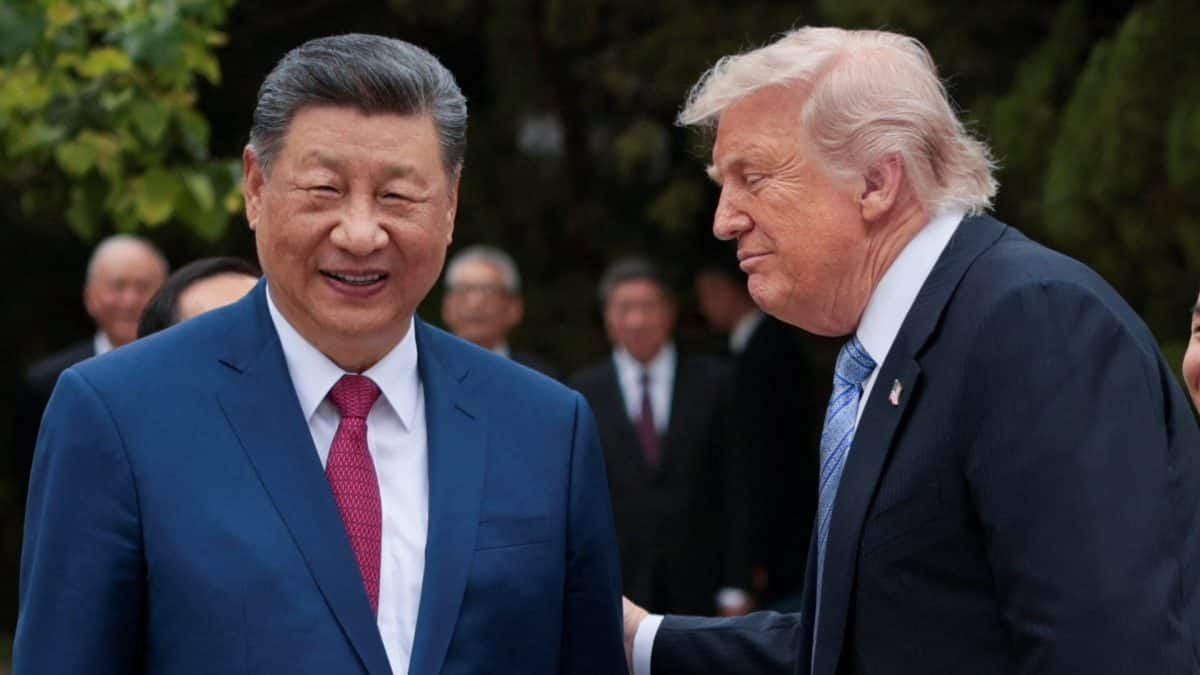
Chinese Rare Earth Suppliers Restrict U.S. Shipments Amid Beijing Fears

Rare Earths Give China Leverage at Trump-Xi Summit

Trump and Xi Prepare for High-Stakes White House Talks
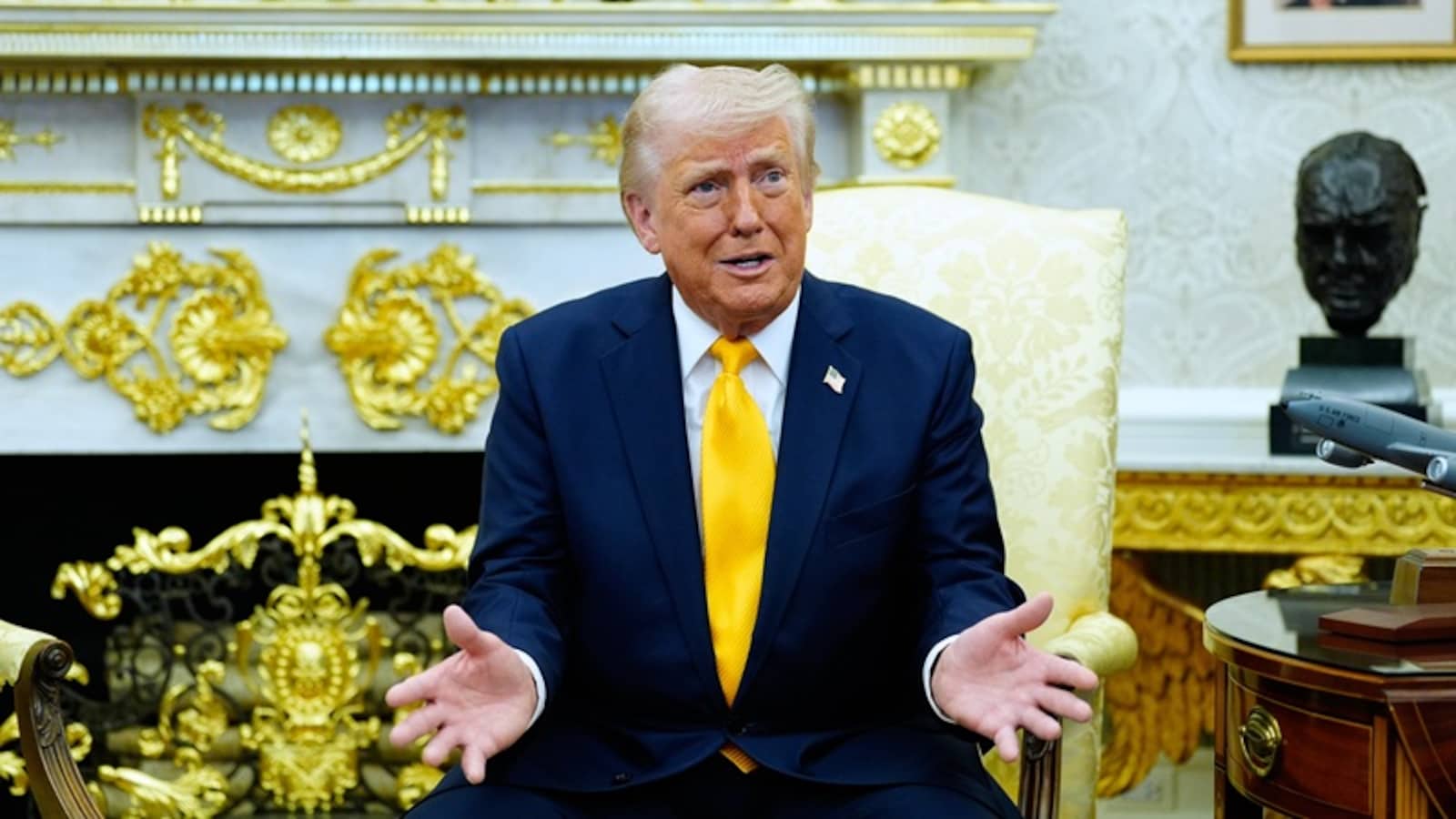
Trump Faces Difficult Choices in Contest With China Over AI

Trump-Xi Washington Talks Put Global Economy in Focus
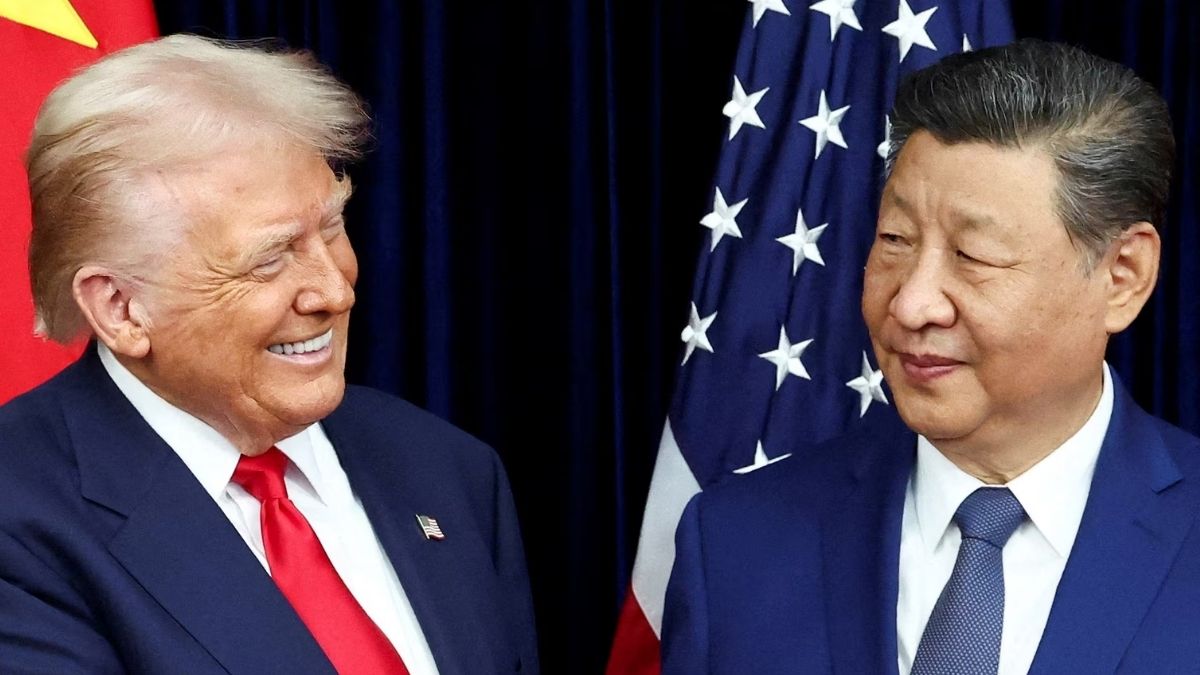
Xi Jinping's US Visit Tests Trade and AI Cooperation

India’s Capital Gains Tax Compared With Global Regimes

Saudi Pipeline Restart Eases Asia Supply Fears, But Prices Rise

India Breaks 18-Year-Old Record in Historic Japan Victory

India Opens Chinese Glycine, CPVC Resin Trade Investigations

Afghan Cyclist Wins Asian Games Silver in Women’s Road Race