2 hrs ago
Trump-Xi Washington Summit Tests Managed Rivalry
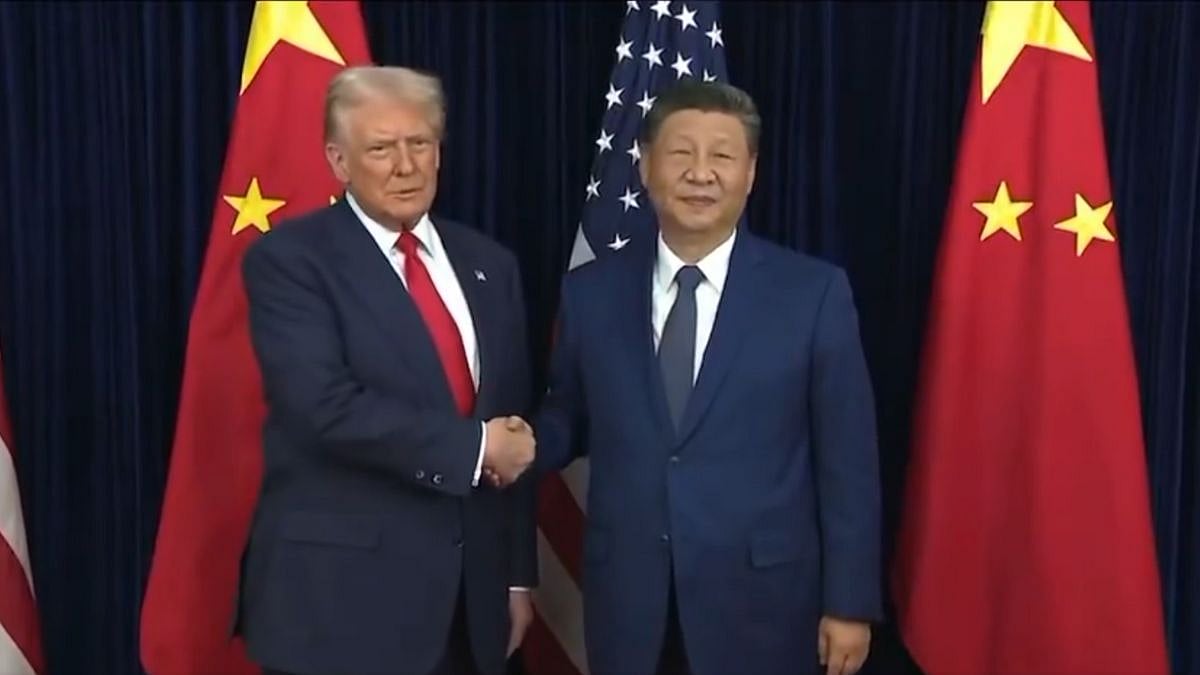
Donald Trump and Xi Jinping are meeting in Washington to discuss problems between the United States and China.
They are rivals, but both countries want to avoid a dangerous conflict.
The leaders will talk about trade, tariffs, computer technology, rare-earth minerals and Taiwan.
The United States also wants China to help with fentanyl chemicals and possibly Iran and Ukraine.
China wants fewer American restrictions on its technology and clearer rules for trade.
The meeting will include formal ceremonies and a state dinner, but the important work will happen during negotiations.
Countries such as India, Japan and those in Europe will watch carefully.
The meeting probably will not end the rivalry, but it could help the two countries manage it more safely.

Donald Trump is expected to greet Xi Jinping at Joint Base Andrews on 23 September before formal talks on 24 September.
Trade, tariffs, rare earths, artificial intelligence, Taiwan, fentanyl and detained foreigners are expected to dominate the agenda.
Washington wants greater market access and Chinese cooperation, while Beijing seeks tariff clarity and relief from technology restrictions.
The summit could reduce immediate US-China tensions but is unlikely to resolve disputes over Taiwan, technology, Iran or Ukraine.
India, Europe and US allies in Asia will closely watch whether any agreement changes regional security and economic calculations.
- Who
- US President Donald Trump and Chinese President Xi Jinping, with officials from both governments involved in preparatory talks.
- What
- A Washington summit focused on managing US-China rivalry through negotiations over trade, tariffs, rare earths, artificial intelligence, Taiwan and other disputes.
- Where
- Washington, including Joint Base Andrews and the White House.
- When
- Xi is expected to arrive on 23 September, with the main summit scheduled for 24 September; the existing trade arrangement nears a November deadline.
- Why
- Both countries seek to prevent strategic competition from escalating while pursuing concessions on economic, technological and security issues.
Potential Stabilization
Risks and Reservations
Effect of personal diplomacy
Potential Stabilization
Direct talks between Trump and Xi could produce practical agreements and reduce the risk that rivalry escalates into conflict.
Risks and Reservations
Personal diplomacy may manage tensions temporarily without resolving the underlying strategic competition.
Trade and technology bargaining
Potential Stabilization
Extending the trade truce and reaching arrangements on tariffs or rare earths could reduce economic uncertainty.
Risks and Reservations
Concessions on technology, rare earths or trade could expose strategic vulnerabilities and may not end the broader technology rivalry.
Taiwan and regional security
Potential Stabilization
Dialogue could lower the risk of accidental escalation in the Indo-Pacific.
Risks and Reservations
If Taiwan or US security commitments appear to be traded for economic gains, Japan, South Korea, Australia and Taiwan could become more anxious about deterrence.
Key facts
- Expected arrival
- Xi Jinping is expected to arrive at Joint Base Andrews on 23 September.
- Main summit
- Trump and Xi are scheduled to hold talks in Washington on 24 September.
- Trade deadline
- The current trade arrangement is approaching a November deadline.
- Key economic issues
- Tariffs, market access, rare-earth supplies and technology restrictions.
- Key security issue
- Taiwan is described as the most delicate fault line in the relationship.
- Additional issues
- Fentanyl precursor chemicals, detained foreigners, Iran, Ukraine and possible Chinese investment in the US automobile sector.
- Diplomatic format
- The visit is expected to include a White House ceremony, military review, state dinner and further talks.
Sources
Related news

Trump and Xi Prepare for High-Stakes White House Talks
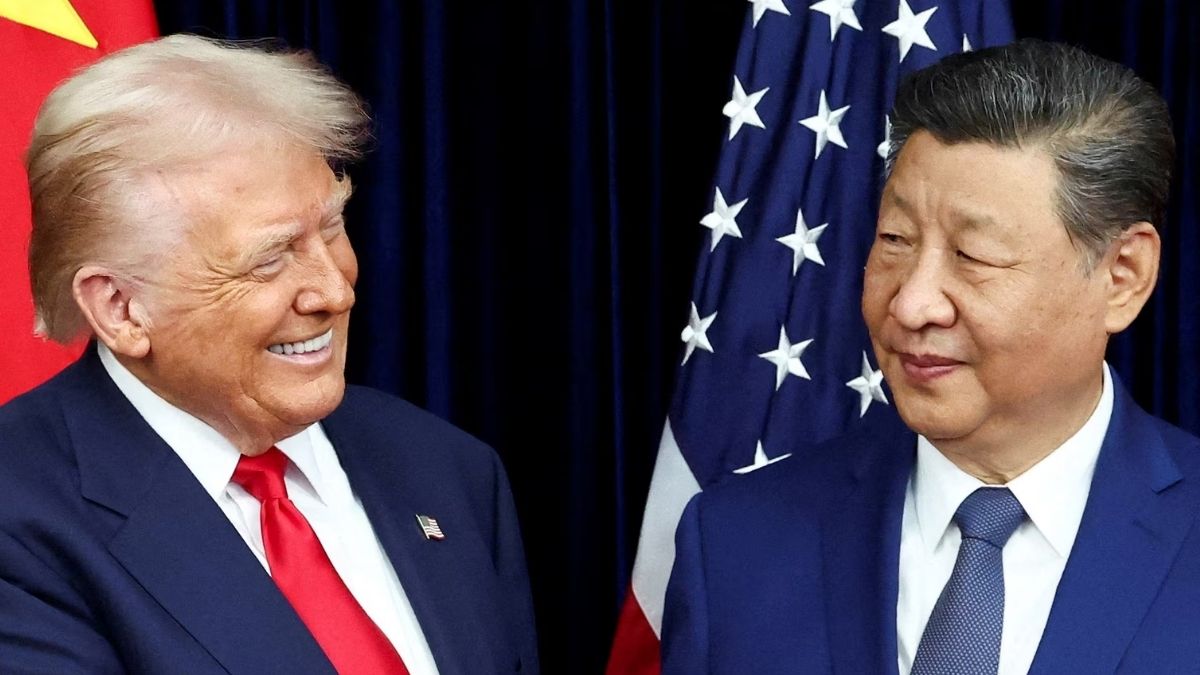
Xi Jinping's US Visit Tests Trade and AI Cooperation

Trump-Xi Washington Summit Focuses on Trade, Taiwan and Security

Trump-Xi Washington Talks Put Global Economy in Focus
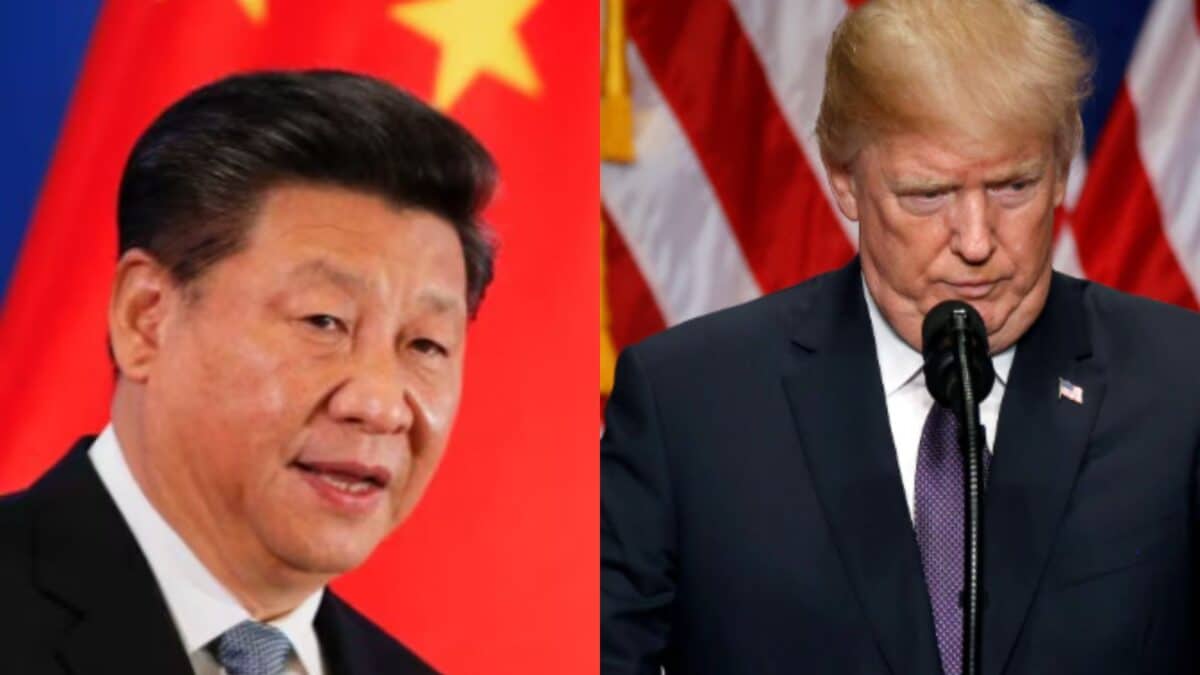
Trump and Xi Prepare for High-Stakes September 24 Summit
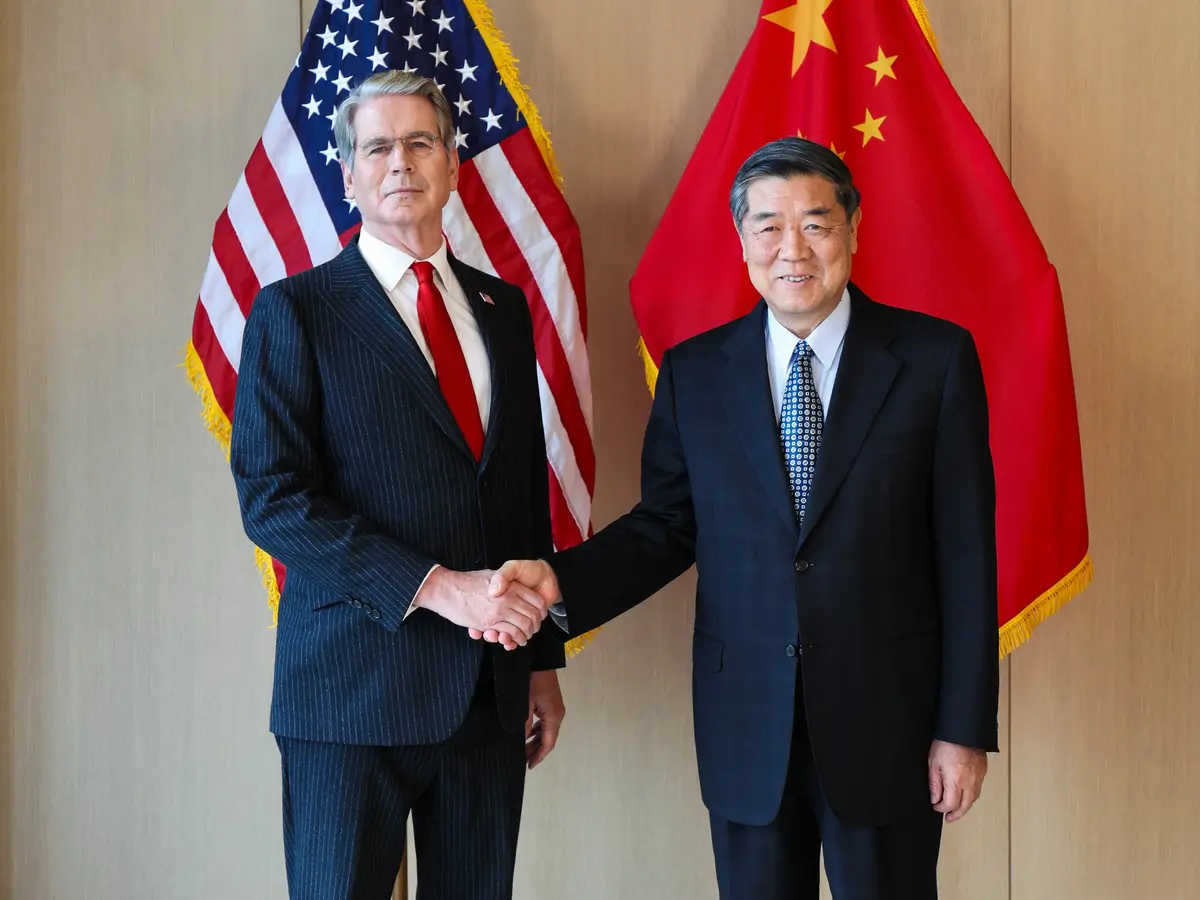
Bessent and He Lifeng Prepare Trade Agenda Before Trump-Xi Summit
South Korea, US and Japan Renew North Korea Dialogue Push

AMD Reaches $1 Trillion as Lisa Su Drives AI Expansion
China urges Germany to prevent Europe trade war through dialogue