

1 hr ago
Fortification and Biofortification Offer India Tools Against Hidden Hunger
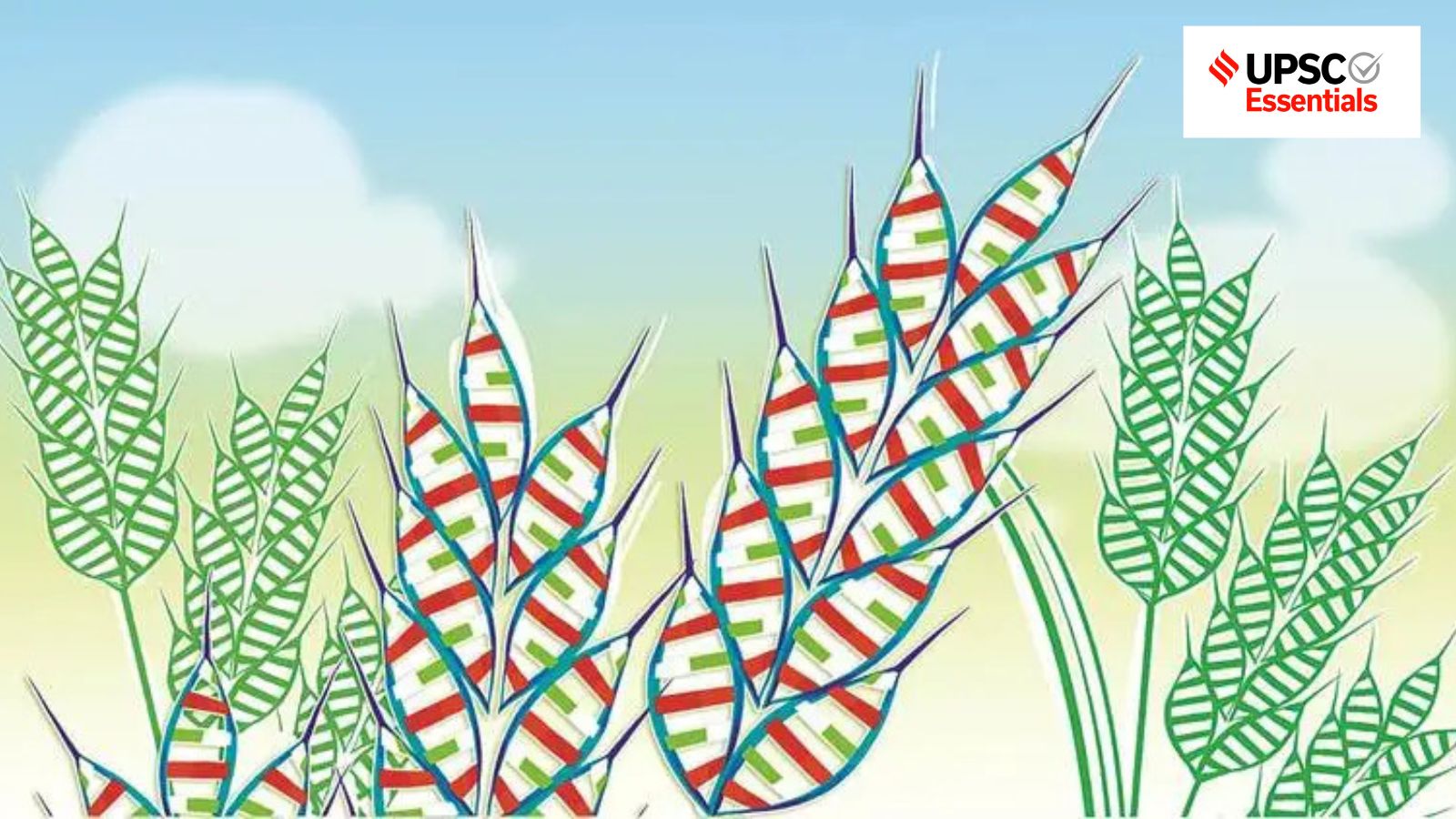
Hidden hunger means not getting enough important vitamins and minerals, even when someone eats enough food.
Food fortification adds nutrients such as iron, folic acid, vitamin B12, and iodine to food during processing.
Biofortification grows crops that naturally contain more nutrients.
India uses both methods to improve nutrition.
Fortified foods can reach many people through programmes such as food distribution and school meals.
Biofortified crops may be cheaper to maintain after special seeds are developed.
However, fortified foods can face storage and transportation problems, while farmers may need support to grow biofortified crops.
India also has problems with children not getting enough food and with adults becoming overweight.
The article says progress should be judged by better health and nutrition results, not only by the amount of fortified food distributed.

Food fortification adds vitamins and minerals during processing, while biofortification improves nutrient content during crop production.
India developed and released 152 biofortified crop varieties between 2014 and 2024 through its National Agricultural Research System.
Government programmes have distributed fortified rice, double-fortified salt, and fortified edible oil through welfare and school-meal schemes.
India faces undernutrition, micronutrient deficiencies, and rising obesity, with inadequate diets affecting children and adults.
The article argues that India needs both approaches, while measuring success through improved nutrition indicators rather than distribution alone.
- Who
- The Government of India, farmers, research institutions, welfare programmes, and people facing micronutrient deficiencies.
- What
- The article examines how food fortification and biofortification can reduce India’s hidden hunger and broader malnutrition challenges.
- Where
- India, with examples of related biofortification efforts also cited from the Philippines and Rwanda.
- When
- India developed 152 biofortified varieties between 2014 and 2024; rice fortification began as a pilot in 2019 and was extended until December 2028.
- Why
- To improve access to nutritious diets and address micronutrient malnutrition alongside undernutrition and overnutrition.
Fortification and Biofortification Supporters
Implementation Concerns
Speed and scale
Fortification and Biofortification Supporters
Food fortification can use existing processing and welfare systems to deliver micronutrients rapidly to large populations.
Implementation Concerns
Distribution alone may not ensure better nutrition if access, dietary quality, storage, packaging, and delivery conditions remain inadequate.
Long-term cost
Fortification and Biofortification Supporters
Biofortification can be relatively cost-effective because developing nutrient-rich seeds requires a largely one-time investment and integrates nutrition into agriculture.
Implementation Concerns
Wider adoption requires farmer awareness, subsidised seeds, assured minimum support prices, and other agricultural inputs.
Government rice programme
Fortification and Biofortification Supporters
Fortified rice, double-fortified salt, and fortified edible oil have been incorporated into public food and school-meal programmes to address micronutrient deficiencies.
Implementation Concerns
After an IIT Kharagpur review, the government temporarily discontinued rice fortification under PMGKAY and allied schemes while seeking a more robust nutrient-delivery approach; PDS, ICDS, and Mid-Day Meal operations were stated not to be affected.
Key facts
- Global healthy-diet affordability
- About 2.6 billion people worldwide are estimated to be unable to afford a healthy diet, according to the Global Nutrition Report 2026.
- India’s global undernutrition share
- The World Health Organization says India accounts for nearly one-third of global undernutrition.
- Biofortified varieties
- India released 152 varieties between 2014 and 2024: wheat 53, millets 26, maize 24, rice 14, oilseeds 21, pulses 9, and grain amaranth 5.
- Child nutrition indicators
- The article cites 29.3% of children under five as stunted, 19% as wasted, and 31.8% as underweight.
- Exclusive breastfeeding
- The cited NFHS-6 findings say 55.8% of infants below six months receive exclusive breastfeeding.
- Adequate diets
- The cited NFHS-6 findings say 15.3% of children aged 6–23 months receive an adequate diet.
- Rice fortification allocation
- The extension of the rice-fortification scheme until December 2028 included a central government allocation of Rs 17,082 crore.
Sources
Related news
India’s Everyday Staples Could Drive the Next Nutrition Revolution

Food security to nutrition security: building a healthier rural India
India Observes National Nutrition Week From September 1–7, 2026

Major leaks in India's food security system

IIHM Launches Bengaluru Egg Bank For Sustained Student Nutrition Support

Murmu: India Remains World's Fastest-Growing Major Economy

Students Celebrate World Conservation Day Through SDG Exhibition

FCRA Amendment Bill 2026 Tightens India's Foreign Funding Rules
