3 weeks ago
Major leaks in India's food security system

India runs a big program that gives poor families cheap rice and wheat through shops called ration shops.
This program is called the Public Distribution System, and the government buys the grain and stores it with an organization called the Food Corporation of India.
The article says some of this food meant for poor people is being taken away and used for other things, like being sold for money.
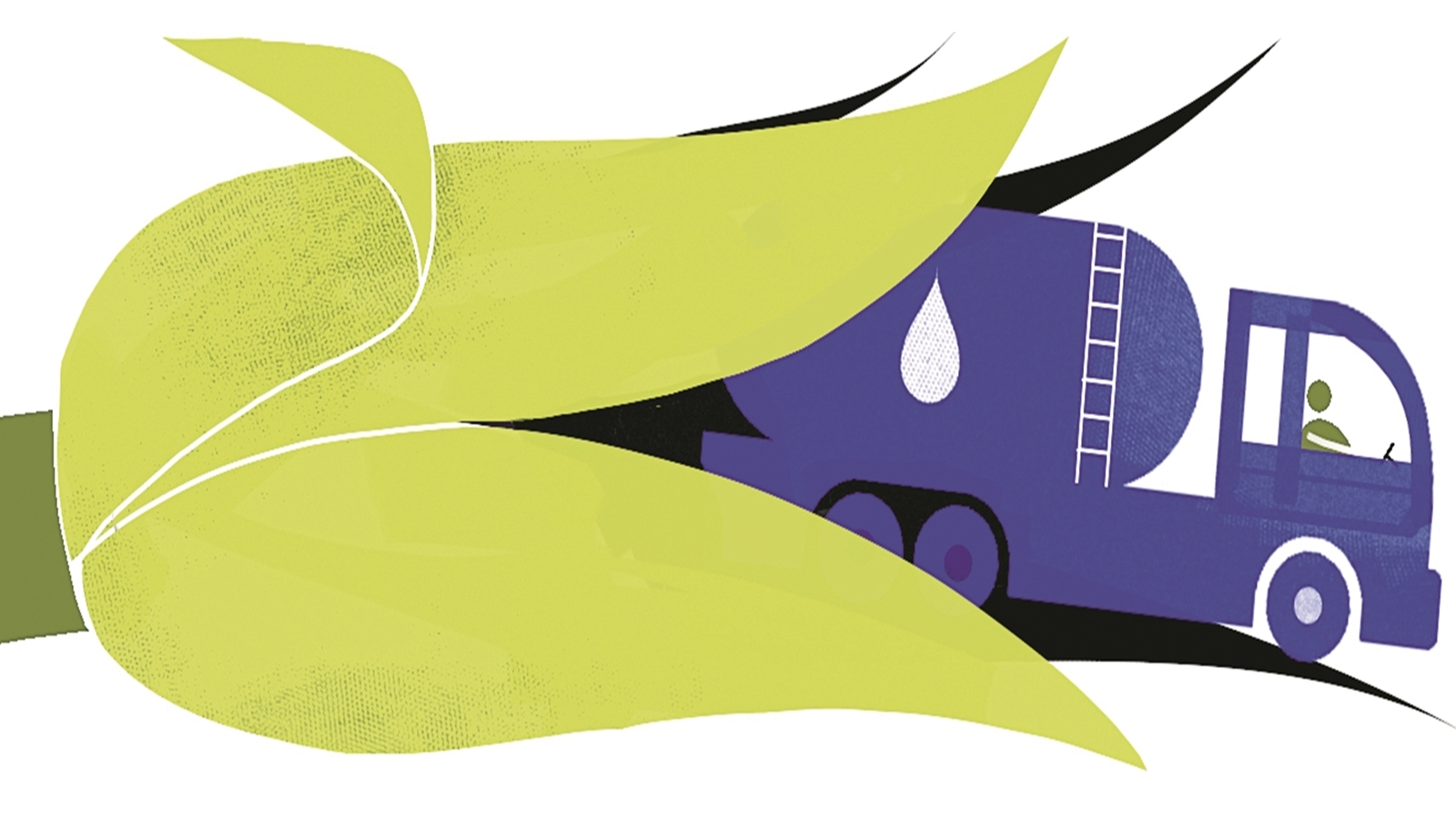
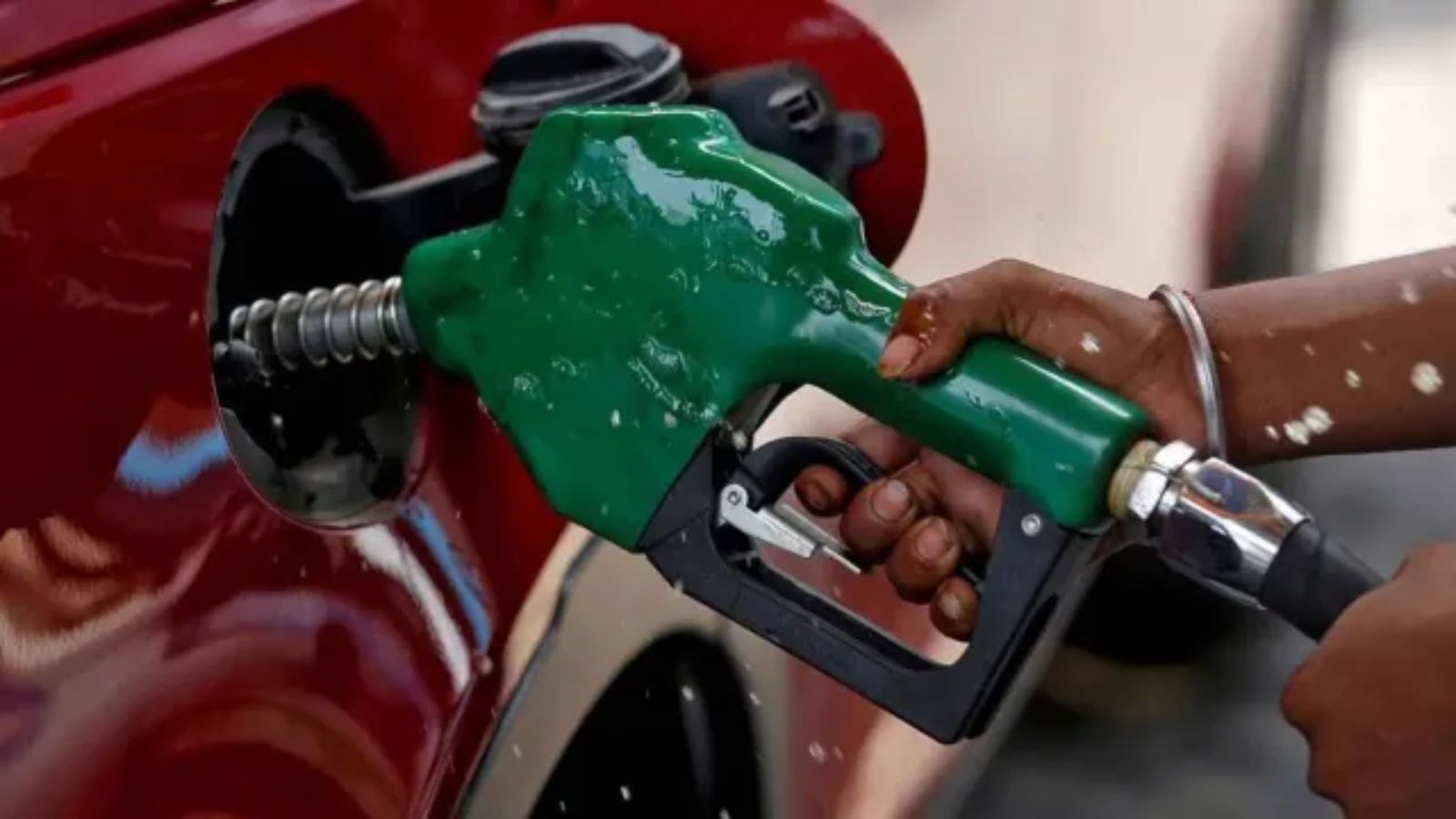
A lot of the stored rice is now being turned into ethanol, a fuel that goes into car engines.
In just one year, the share of this rice used for fuel jumped from almost nothing to about a quarter of all ethanol made in India.
The government says it only uses leftover or damaged grain that people cannot safely eat, and that making fuel saves the country money.
But the article says poor families are getting less food, and new rules could cut rations for more than half of the poorest households.
New technology, like fingerprint checks, is also stopping some poor and older people from getting their food because their fingerprints are worn or they have no internet.
The writer worries that feeding cars is becoming more important than feeding hungry people.

Investigations in Madhya Pradesh found subsidised PDS grain meant for the poorest being diverted to commercial buyers, possibly amounting to thousands of tonnes a year.
In August 2026, Delhi AAP leader Saurabh Bharadwaj claimed subsidised rice worth ₹143 crore a week was diverted from the Food Corporation of India to a private company in Haryana via an Assam-based corporation.
FCI rice made up 24.64 per cent of total ethanol production in Ethanol Supply Year 2025-26, a sharp rise from 0.02 per cent the previous year.
The proposed NFSA amendment — 7 kg of grain per person capped at 35 kg per household — would cut rations by 20–80 per cent for over half of Antyodaya households.
States have cancelled 2.49 crore ration cards since 2020 through digitisation and e-KYC, which critics say disproportionately hits manual labourers, the elderly and those without internet access.
- Who
- Government agencies including the Food Corporation of India, State governments and beneficiary households such as Antyodaya families; Delhi AAP leader Saurabh Bharadwaj made diversion allegations.
- What
- Widespread diversion of subsidised PDS grain — including large-scale use of FCI rice for ethanol production, alleged commercial diversions, open-market sales and ration entitlement cuts.
- Where
- India — with documented problems in Madhya Pradesh, Punjab, Uttar Pradesh, West Bengal and Delhi.
- When
- Reported as of August 2026, drawing on data from ESY 2024-25 and ESY 2025-26, and ration card cancellations since 2020.
- Why
- Officials and middlemen are said to divert subsidised grain for profit, while ethanol production consumes subsidised rice for fuel, despite government assertions that only surplus grain is used.
Government's Position
Critics' Position
Use of FCI grain for ethanol
Government's Position
Only surplus foodgrains are used — primarily damaged grain, broken rice and foodgrain unfit for human consumption — and the programme saved over ₹1.97 lakh crore in foreign exchange by replacing 316 lakh tonnes of crude oil imports.
Critics' Position
The share of FCI rice in ethanol feedstock jumped from 0.02 per cent to 24.64 per cent in one year; diverting 11 lakh tonnes of FCI rice to ethanol could have supplied full 35 kg monthly rations to roughly 3.1 lakh Antyodaya families for a year.
Ration cuts and shrinking PDS entitlements
Government's Position
Administrative and open-market measures are aimed at efficiency and controlling inflation, and the NFSA amendment leaves households of five or more members unchanged.
Critics' Position
No one gains under the 7 kg-per-person formula while over half — 53 per cent — of Antyodaya households lose 20–80 per cent of their rations, and nutritious items like pulses and oil have been progressively dropped from State PDS offerings.
Digitisation of ration cards
Government's Position
E-KYC, digitisation and the Mera Ration app are meant to remove duplicate and fake cards and improve targeting of subsidised grain.
Critics' Position
2.49 crore ration cards cancelled since 2020; e-KYC failures disproportionately affect manual labourers with worn fingerprints, older citizens and people in regions with poor internet access, making technology a barrier for the most vulnerable.
Key facts
- FCI rice share in ethanol feedstock (ESY 2025-26)
- 24.64%
- FCI rice share in ethanol feedstock (ESY 2024-25)
- 0.02%
- Rice used for ethanol in ESY 2025-26 (as of June 2026)
- 44 lakh tonnes
- Alleged weekly diversion of subsidised rice (Bharadwaj claim)
- ₹143 crore
- Grain unaccounted for in Uttar Pradesh (one year)
- Over 12 lakh tonnes
- Ration cards cancelled since 2020
- 2.49 crore
- Reported foreign exchange savings from ethanol programme
- ₹1.97 lakh crore
- FCI open market wheat sales (2024-25)
- Over 25 lakh tonnes
Sources
Related news

Priyank Kharge Questions Centre’s Subsidised Rice Ethanol Policy
India’s Sugar Prices Rise as Ethanol Policy Strains Food Security
India’s Ethanol Push Shifts From Sugarcane Toward Grain Feedstocks
India's Sugar Stocks Surge Amid Debate Over Ethanol's Role

Haryana Congress Flags Sharp Rise in Sugar Prices

India’s Sugar Prices Surge as Demand, Weather and Speculation Weigh

Mayawati to Review BSP Preparations for 2027 Elections

Ayodhya Temple CEO Appointment Faces Opposition Donation Allegations

UP Government Releases ₹101.49 Crore to Upgrade Kasturba Schools

Uttar Pradesh Girl’s School Journey Brings Two Tricycles

EPFO Identifies PF Trusts Eligible for Amnesty Scheme 2026