

3 weeks ago
Black kites remain biggest challenge to Pune Airfield flying operations

Black kites are birds that live in and around the Indian city of Pune.
They like to eat leftover food and garbage that people throw away.
Many black kites live near the airport where airplanes take off and land.
When an airplane hits a bird, it is called a bird strike.
Bird strikes can be dangerous because they can damage the airplane's engine.
Black kites are heavy birds, weighing as much as a big bag of sugar.
They fly high in the sky, right where airplanes are flying.
The Indian Air Force and the airport work together to keep birds away.
They use loud noises, special calls, and patrolling teams.
But the real problem is open garbage, which keeps attracting the birds back.

Black kites have emerged as one of the biggest challenges to safe flying operations at Pune Airfield, where the Indian Air Force shares a runway with Pune Airport's civilian operations.
Pune airport recorded 39 bird-strike incidents in 2024 and 11 more between January and June 2025, according to Minister of State for Civil Aviation Murlidhar Mohol.
Black kites weigh between 800 grams and 1.3 kilograms, and a strike can damage jet engine compressor blades, trigger engine failure, or force pilots to abort missions or make emergency landings.
Open dumping of household garbage, food waste from hotels and markets, and animal carcasses attract black kites, which then fly across the airfield during flight operations.
The IAF uses bird patrols, pyrotechnic devices and distress-call systems, but black kites often return within minutes; officials call the issue an urban environmental challenge for civic agencies.
Wildlife hazards extend beyond birds, with stray dogs, rodents, lizards, wild hares, snakes, jackals and even a leopard captured near the airfield last year.
- Who
- The Indian Air Force (IAF), the Airports Authority of India, Pune Airport's civilian operations, and civic bodies such as the Pune Municipal Corporation, along with black kites, the birds causing the hazard.
- What
- Black kites attracted by open garbage are causing repeated bird strikes that threaten safe flying operations at Pune Airfield.
- Where
- Pune Airfield, a shared runway used by the IAF and Pune Airport civilian flights, in the Lohegaon area of Pune, India.
- When
- A year-round concern; official data covers 2024 (39 incidents) and January to June 2025 (11 incidents).
- Why
- Rapid urbanisation and abundant open food sources such as garbage dumps and animal carcasses attract scavenging black kites that cross the airfield during flight operations.
Key facts
- Airfield
- Pune Airfield, shared by the Indian Air Force and Pune Airport civilian operations
- Main hazard
- Black kite bird strikes
- Black kite weight
- 800 grams to 1.3 kilograms
- Bird strikes in 2024
- 39 incidents
- Bird strikes (Jan-Jun 2025)
- 11 incidents
- Reported by
- Minister of State for Civil Aviation Murlidhar Mohol in the Rajya Sabha
- Coordination body
- Airfield Environment Management Committee (AEMC)
- Other wildlife threats
- Stray dogs, rodents, lizards, wild hares, snakes, jackals, leopards
Quotes
IAF Air Safety Officer
Indian Air Force officer responsible for safety at Pune Airfield
“Unlike smaller birds, black kites typically weigh between 800 grams and 1.3 kilograms. At the high speeds achieved by military aircraft, especially fighter jets, during take‑off or landing, even a single bird strike can generate enormous impact.”
 indianexpress.com
“Sirens, pyrotechnics or distress calls may disperse them briefly, but they often return within minutes.”
indianexpress.com
Sources
Related news

Wedding Drones Prompt Safety Measures Near Bareilly Air Force Station
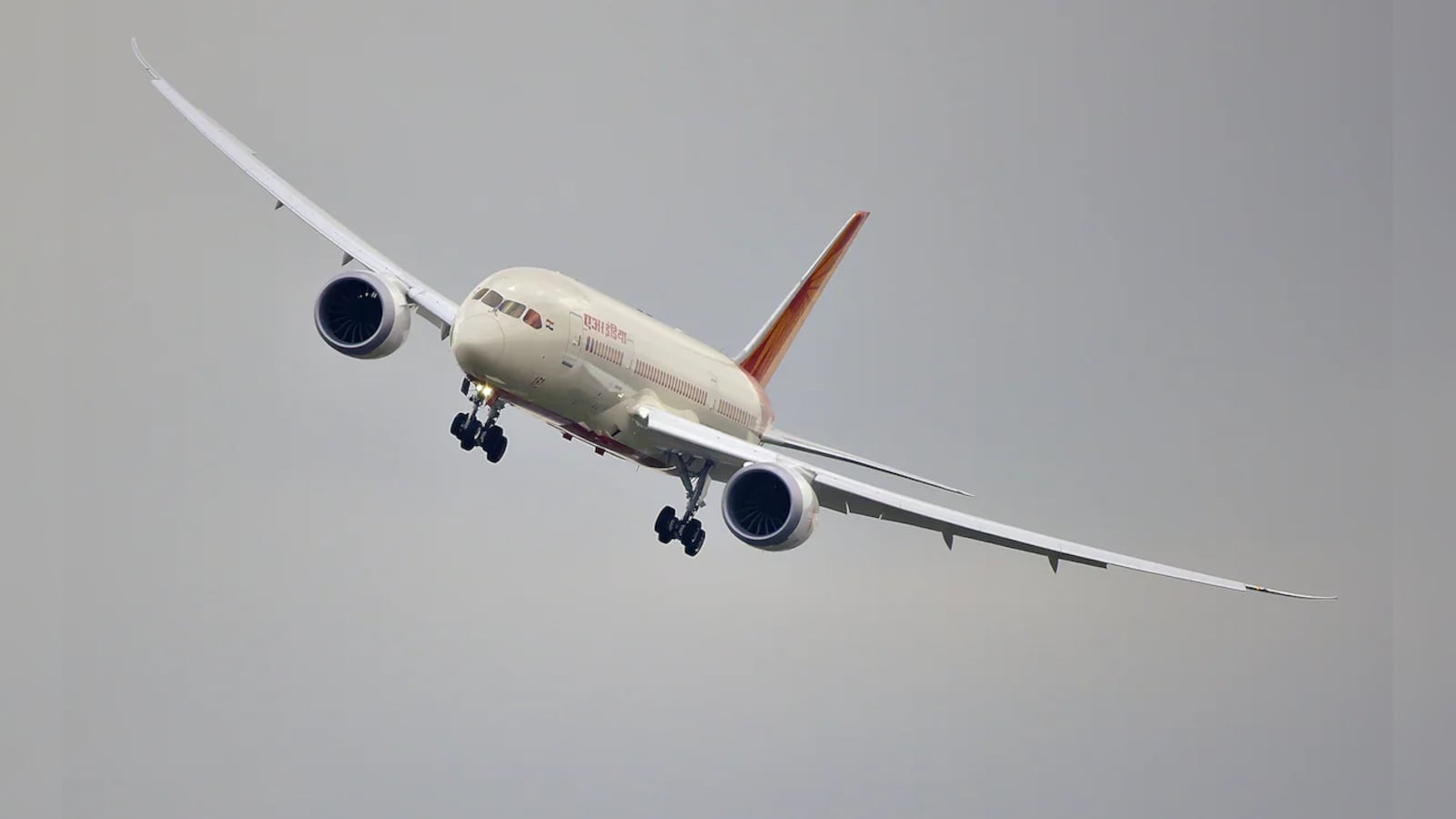
Air India Flight Reports Suspected Bird Strike Landing At Patna
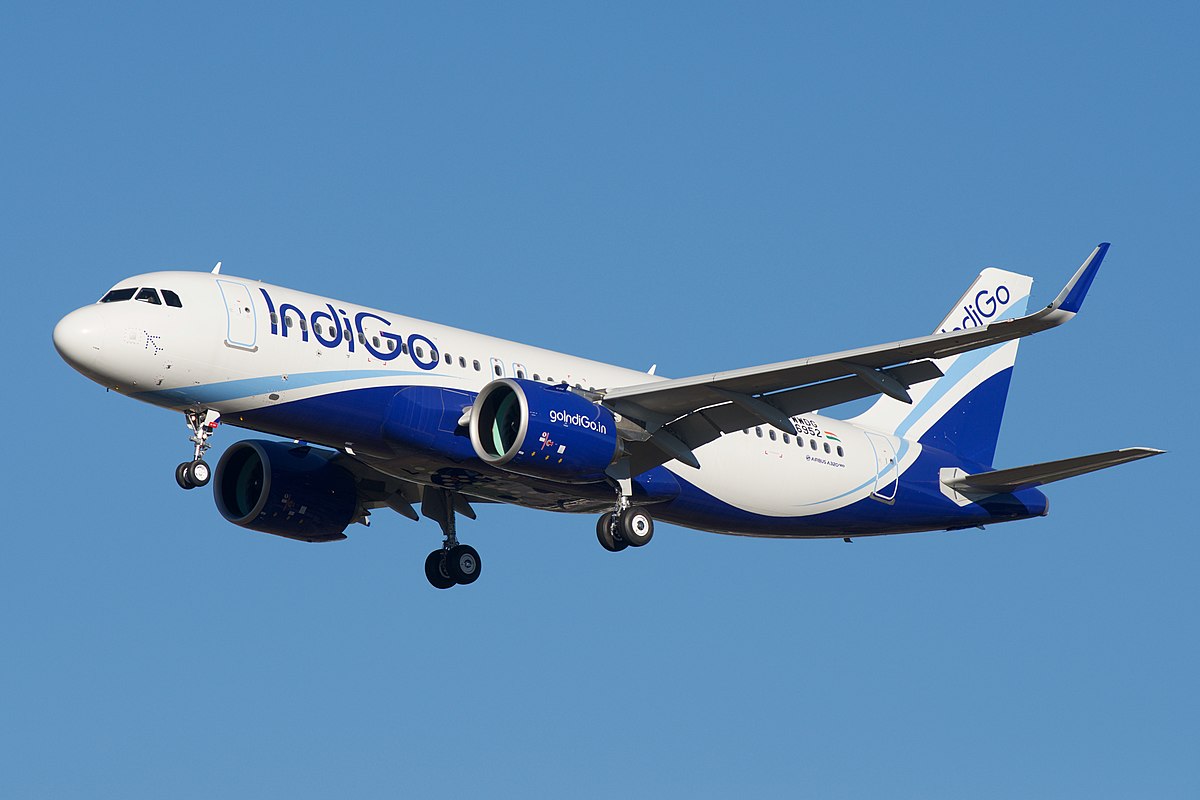
IndiGo Hyderabad-Chennai Flight Goes Around After Suspected Bird Strike

Suspected Bird Hit Cancels Air India Express Pune-Chandigarh Flight

Trainer Aircraft Crash-Lands at Baramati Airport, Second Incident This Year

Birds Fly Into Delhi Offices to Escape Heat, Rescuers Warn

Aviation Ministry Plans Automated Airport Building Clearance System

Tamil Nadu Freebies Raise Questions Over TVK Finances

Mumbai Metro Line 7A Viaduct Faces Possible Reconstruction

India Plans Next Airport Privatization Wave With Smaller Lots

Parandur Airport Scrapped as DMK Warns of Economic Damage
