1 week ago
RBI Deputy Governor Says Local Currencies Can Cut Trade Costs

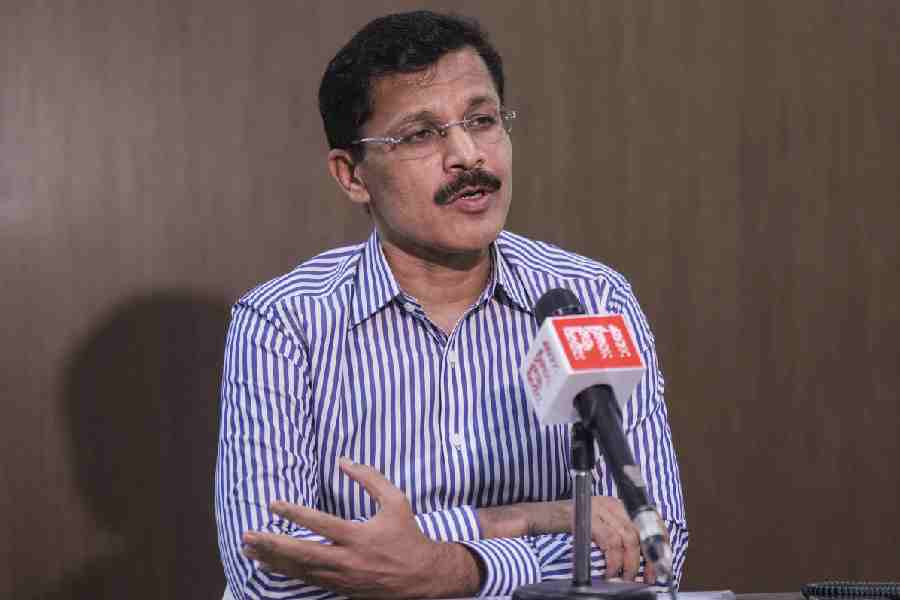
Rohit Jain of the RBI spoke about how countries pay each other when they trade.
He said using local currencies could make these payments cheaper.
It could also reduce problems caused by changing exchange rates.
Local-currency payments may help transactions settle more efficiently.
Jain said India will trade more with other countries in the future.
He said India’s foreign-exchange market must be ready for that growth.
The market should also handle sudden problems without major disruption.
He added that new technology should be adopted while keeping people’s trust.

RBI Deputy Governor Rohit Jain said local currencies will play a growing role in cross-border trade and payments.
He said local-currency transactions can lower costs, reduce currency mismatches and improve settlement efficiency.
Jain spoke at the Foreign Exchange Dealers’ Association of India’s Annual Day in Mumbai last week.
He said India’s foreign-exchange market must support the country’s growing engagement with other countries.
He said the market should absorb shocks, serve small users efficiently and adopt technology without weakening trust.
- Who
- RBI Deputy Governor Rohit Jain and the Foreign Exchange Dealers’ Association of India.
- What
- Jain said local currencies will have a growing role in cross-border trade and payments and outlined what India’s foreign-exchange market must do for the next decade.
- Where
- Mumbai.
- When
- Jain spoke at the association’s Annual Day last week; the specific date was not stated.
- Why
- Local currencies can lower transaction costs, reduce currency mismatches and improve settlement efficiency.
Key facts
- Speaker
- RBI Deputy Governor Rohit Jain
- Event
- Annual Day of the Foreign Exchange Dealers’ Association of India
- Location
- Mumbai
- Main topic
- India’s foreign-exchange markets and readiness for the next decade
- Local-currency benefits
- Lower transaction costs, fewer currency mismatches and improved settlement efficiency
- Market requirements
- Support international engagement, absorb shocks, serve small users efficiently and adopt technology without weakening trust
Sources
Related news
RBI Deputy Governor Sets Vision for India’s Forex Market
BRICS Focuses on Local-Currency Payments, Not a Common Currency
Rupee Trade Gains Momentum, But More Internationalisation Steps Remain
DGFT Eases Rupee Export Rules, Expanding Trade Payment Options

Finance Minister, RBI Governor co-chair BRICS meet on payments, stability

Mumbai Police Extern 10 Habitual Offenders for One Year

Mumbai Monsoon Sees Sharp Rise in H1N1, Malaria Cases

Ananya Sheth Completes Comeback In Mumbai U-13 Badminton
Mumbai Trains Election Officials Amid Statewide Electoral Roll Revision

Bombay Gymkhana Squash Finals Set After Junior Semifinals