1 week ago
DGFT Eases Rupee Export Rules, Expanding Trade Payment Options
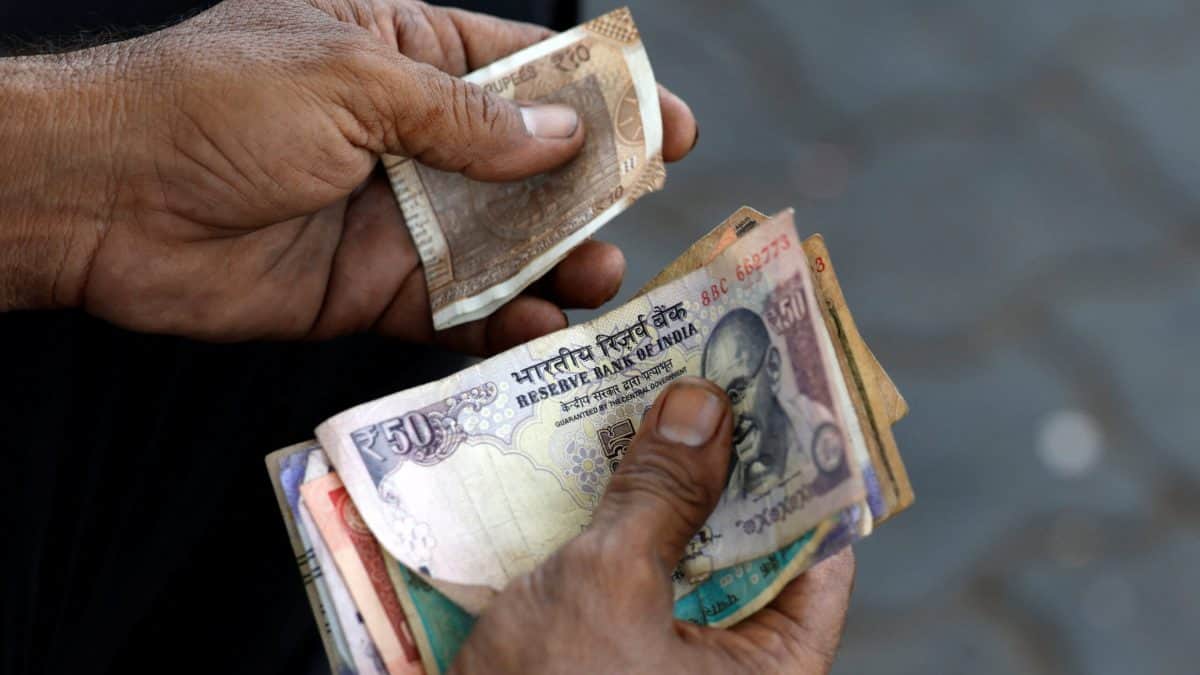
India changed its export rules to make rupee payments easier to use in international trade.
For countries outside the Asian Clearing Union, exporters can invoice and receive payments in rupees or foreign currencies.
Eligible rupee payments sent through approved banks can now receive the same trade-policy benefits as foreign-currency payments.
These payments can also count toward exporters’ obligations under trade programs.
Exports supported by certain Indian government or Export-Import Bank credit lines may also be invoiced in rupees.
Nepal and Bhutan continue to follow separate arrangements.
The change brings India’s trade rules closer to its foreign-exchange rules.
It may help countries that have difficulty obtaining US dollars.
However, foreign buyers and banks may still find rupees difficult or costly to obtain, hold and use.

The Directorate General of Foreign Trade amended Foreign Trade Policy 2023 to align rupee export rules with Reserve Bank of India regulations.
Exports to countries outside the Asian Clearing Union may be invoiced and paid in Indian rupees or foreign currencies.
Eligible rupee receipts through approved banking channels can receive Foreign Trade Policy benefits and count toward export obligations, except for exports to Nepal and Bhutan.
Exports financed through Export-Import Bank of India or Government of India credit lines may be invoiced in rupees.
The Global Trade Research Initiative welcomed the clarification but warned that access to rupees, banking barriers, hedging costs and dollar preference could limit adoption.
- Who
- The Directorate General of Foreign Trade, Indian exporters, overseas buyers, the Reserve Bank of India and the Global Trade Research Initiative.
- What
- India amended Foreign Trade Policy 2023 to permit wider rupee invoicing and give eligible rupee export receipts equal treatment with foreign-currency earnings for trade benefits and export obligations.
- Where
- The changes apply to Indian exports, with different provisions for countries outside the Asian Clearing Union, ACU members, Nepal and Bhutan.
- When
- The notification was issued on Thursday and published on August 20, 2026.
- Why
- The amendment aligns Foreign Trade Policy rules on export-contract denomination and rupee receipts with the Foreign Exchange Management (Manner of Receipt and Payment) Regulations, 2023.
Policy Advantages
Commercial Limitations
Regulatory certainty
Policy Advantages
The amendment removes uncertainty by placing eligible rupee receipts on par with foreign-currency earnings for Foreign Trade Policy benefits and export obligations.
Commercial Limitations
The Global Trade Research Initiative said regulatory permission alone will not create large-scale rupee trade.
Currency flexibility
Policy Advantages
Exporters trading with countries outside the Asian Clearing Union can use rupees or foreign currencies, potentially reducing conversion costs and some foreign-exchange exposure.
Commercial Limitations
Foreign buyers may struggle to obtain rupees, and overseas banks may hesitate to hold substantial balances because the currency is not fully convertible.
International adoption
Policy Advantages
Rupee settlement gives exporters and overseas buyers an alternative to using US dollars or other freely convertible currencies, particularly where dollar access is constrained.
Commercial Limitations
Unused rupee balances from trade imbalances, expensive hedging, complex banking procedures and the global preference for the US dollar may restrict wider use.
Key facts
- Issuing authority
- Directorate General of Foreign Trade
- Policy amended
- Foreign Trade Policy 2023
- Outside-ACU exports
- Contracts, invoices and payments may use Indian rupees or foreign currencies.
- Eligible rupee receipts
- Rupee payments received through approved banking channels for exports other than those to Nepal and Bhutan.
- Trade-policy treatment
- Eligible rupee receipts qualify for Foreign Trade Policy benefits and count toward export obligations on par with foreign-currency earnings.
- Credit-line exports
- Exports financed through Export-Import Bank of India or Government of India lines of credit may be invoiced in rupees.
- Main commercial obstacles
- Foreign buyers’ access to rupees, overseas banks’ reluctance to hold rupee balances, trade imbalances, hedging costs, banking complexity and continued preference for the US dollar.
Quotes
GTRI spokesperson
Spokesperson for the Government Trade Regulatory Institute (GTRI)
“Earlier, exporters receiving rupee payments through an RBI‑approved banking channel were not always certain whether such receipts would qualify for FTP benefits or count towards their export obligations. The new rules remove this uncertainty by placing eligible rupee receipts on par with foreign‑currency earnings.”
 deccanchronicle.com
 thehindubusinessline.com
“India may negotiate practical rupee‑settlement agreements with key trading partners and allow wider uses for accumulated rupee balances, including simple options to use, invest, convert or repatriate these funds.”
deccanchronicle.com

Ajay Srivastava
Founder of the Global Trade Research Initiative
“Regulatory permission alone will not create large‑scale rupee trade.”
 firstpost.com
Sources



Related news

Rupee Trade Gains Momentum, But More Internationalisation Steps Remain
RBI Deputy Governor Sets Vision for India’s Forex Market

RBI Deputy Governor Says Local Currencies Can Cut Trade Costs

DGFT notifies export-only inventory framework for foreign-funded e-commerce firms

Government Eases One Star Export House Eligibility Norms

Nepal Plans New Landslide Warning System Along China Border

Nepal Thanks India as Glacial Disaster Rescue Efforts Continue

Nepal Warns of Heavy Rain After Deadly Floods

Nepal Flood Exposes Delayed Alerts and Cross-Border Warning Gaps

India to Rebuild Nepal School After Principal Saves 1,600