1 hr ago
Pakistan’s New Defence Command Gives One Officer Unprecedented Authority
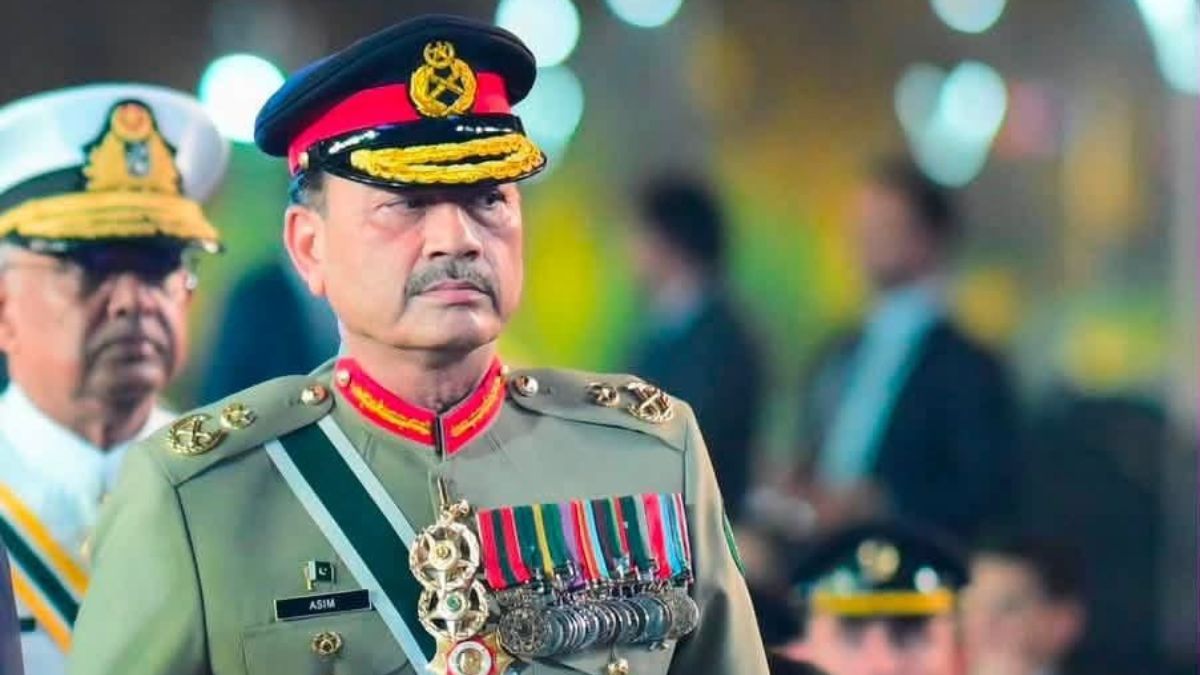
Pakistan changed the rules for how its military is led.
It created a new job called Chief of Defence Forces, or CDF.
Field Marshal Asim Munir holds this job while also being the army chief.
This gives him command over Pakistan’s Army, Navy and Air Force.
The law says he must still answer to the Federal Government.
He also advises the prime minister on defence and national security.
Some people compare the change with military rulers such as Zia-ul-Haq and Pervez Musharraf.
However, Munir gained this authority through laws rather than by taking power in a coup.

Pakistan’s Parliament created the Chief of Defence Forces position through constitutional and legislative changes.
Field Marshal Asim Munir became the country’s first CDF while continuing as army chief.
The CDF has statutory operational command and control over the Army, Navy and Air Force.
The CDF remains formally responsible to the Federal Government and serves as the prime minister’s principal military adviser.
The reform concentrates military authority but does not itself establish direct civilian rule or a military coup.
- Who
- Field Marshal Asim Munir, Pakistan’s Parliament, the Federal Government and the Armed Forces are central to the reform.
- What
- Pakistan created the Chief of Defence Forces post and gave it statutory operational command and control over the Armed Forces.
- Where
- Pakistan.
- When
- The post was created through the 27th Constitutional Amendment in November 2025; Munir’s appointment was recorded in December 2025, and the Defence Forces of Pakistan Act was passed in 2026.
- Why
- The legislation establishes a unified military command structure and assigns the CDF responsibility for operational command, military personnel matters and senior defence advice.
Formal Civilian Oversight
Concentrated Military Authority
Meaning of the reform
Formal Civilian Oversight
The law preserves the Federal Government, the prime minister and Parliament, and explicitly makes the CDF responsible to the Federal Government.
Concentrated Military Authority
The law gives one officer statutory command over all three armed services and places the Defence Forces Headquarters under that officer.
Comparison with military rulers
Formal Civilian Oversight
Asim Munir is not equivalent to Zia-ul-Haq or Pervez Musharraf because he has not taken civilian power through a coup and the legislation does not abolish civilian offices.
Concentrated Military Authority
The comparison remains relevant because Munir simultaneously leads the Army and holds command over the Navy and Air Force, creating an unusually concentrated military hierarchy.
Financial and strategic implications
Formal Civilian Oversight
The reform does not establish that the CDF can override the Federal Government or that the new structure itself will increase military spending.
Concentrated Military Authority
The concentration of authority comes alongside a 17.6% increase in the Defence Services allocation and high debt-servicing costs, while Pakistan faces sharply reduced new external debt inflows.
Key facts
- New office
- Chief of Defence Forces (CDF).
- First CDF
- Field Marshal Asim Munir, who also remains army chief.
- Command authority
- Operational command and control of Pakistan’s Army, Navy and Air Force.
- Civilian reporting
- The CDF is responsible to the Federal Government for operational command and control.
- Headquarters
- The Defence Forces Headquarters operates under the CDF.
- Defence budget
- Pakistan’s 2026-27 budget allocates PKR 3 trillion to Defence Services, up from PKR 2.55 trillion in 2025-26.
- External financing
- The International Monetary Fund approved a 37-month Extended Fund Facility worth about $7 billion in September 2024.
Sources
Related news
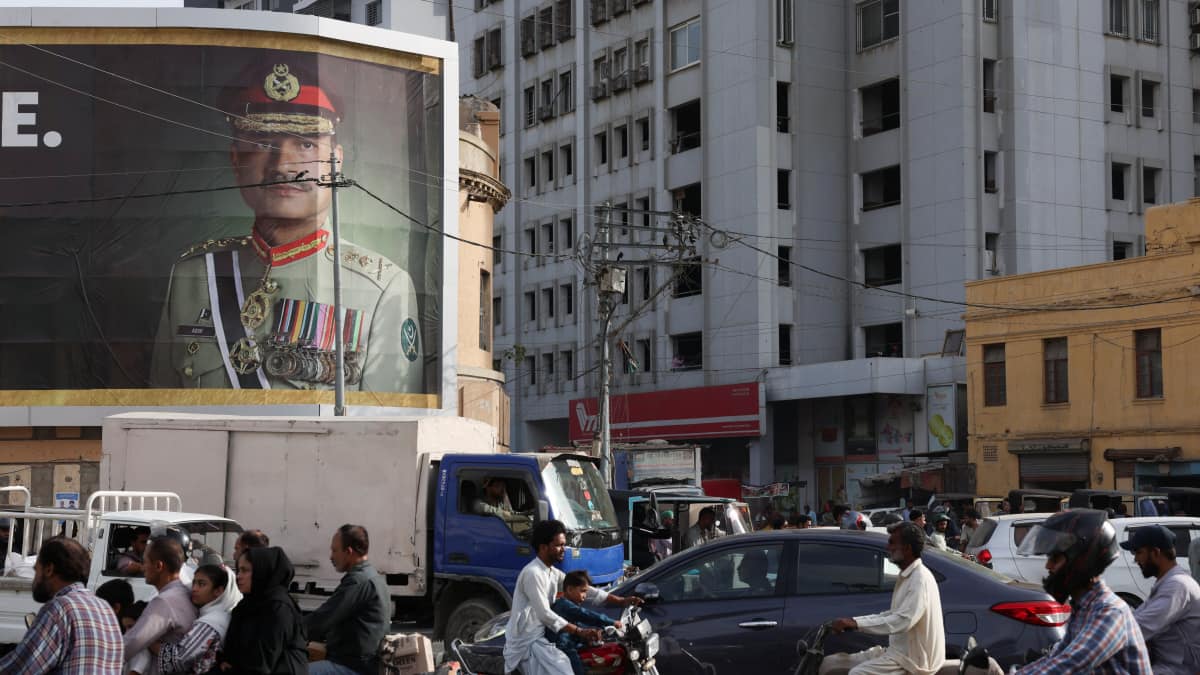
Pakistan Parliament Passes Defence Act Expanding Asim Munir’s Powers
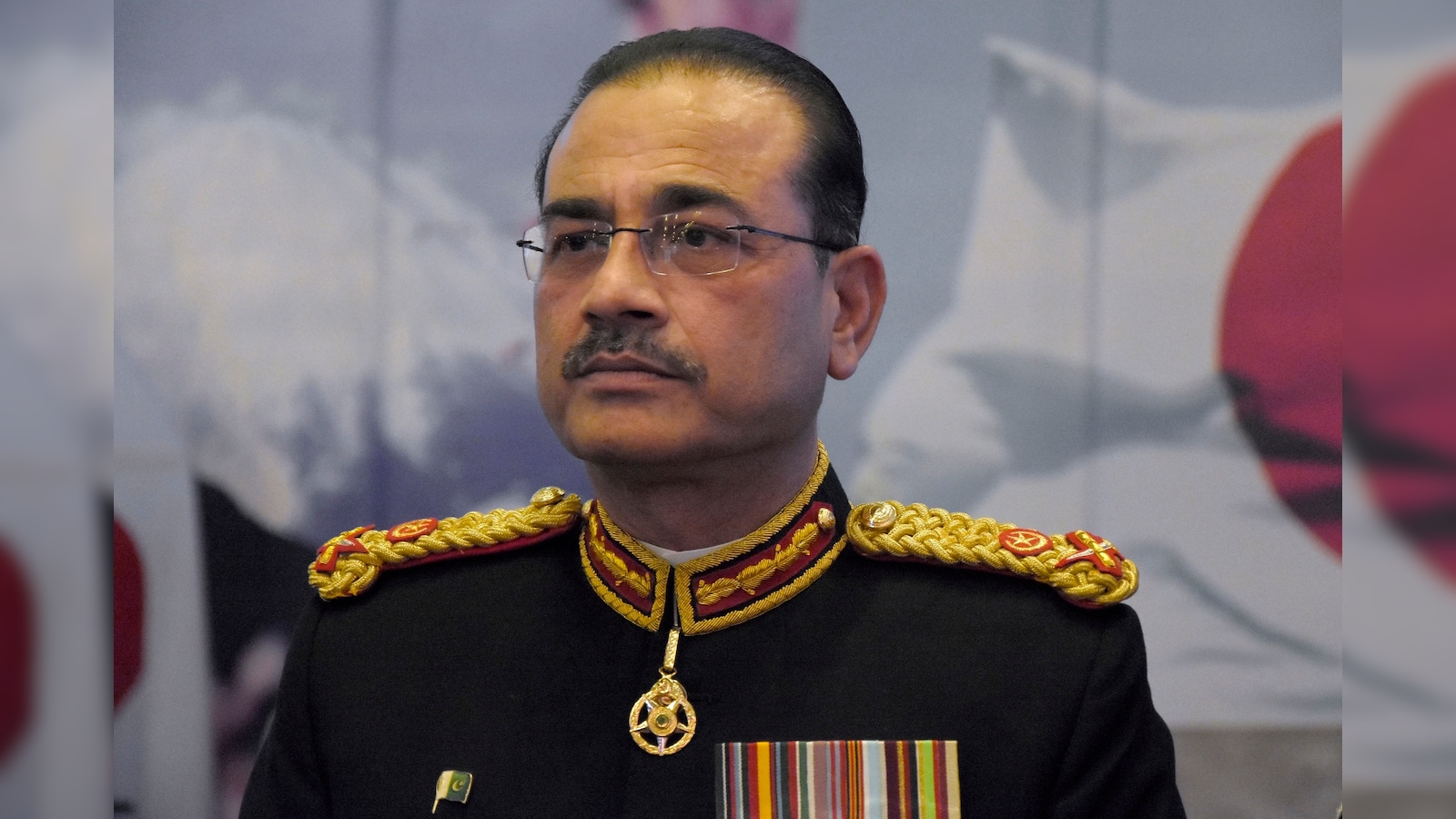
Pakistan's New Defence Law Expands Asim Munir's Power
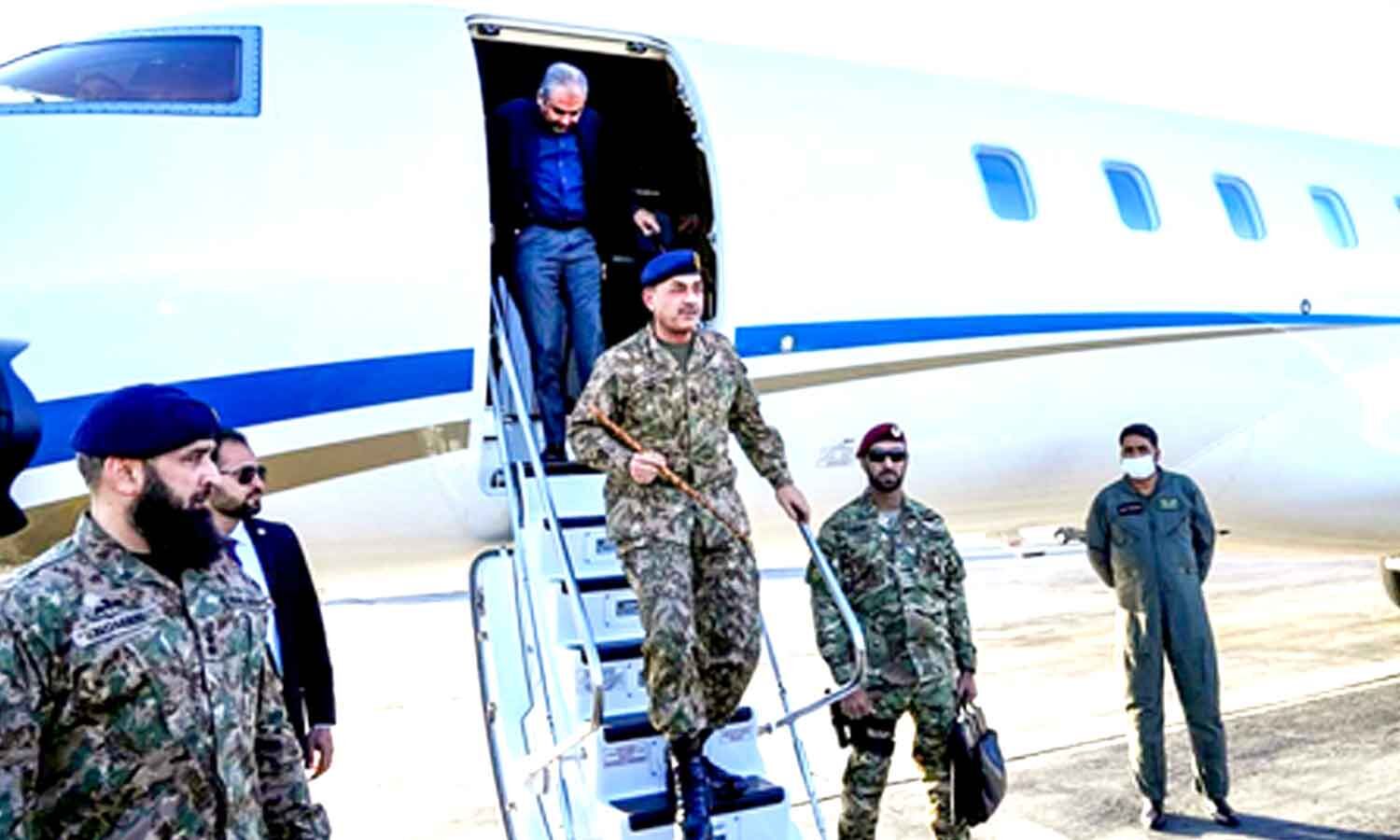
Pakistan's Military Power Consolidation Advances Through New Laws
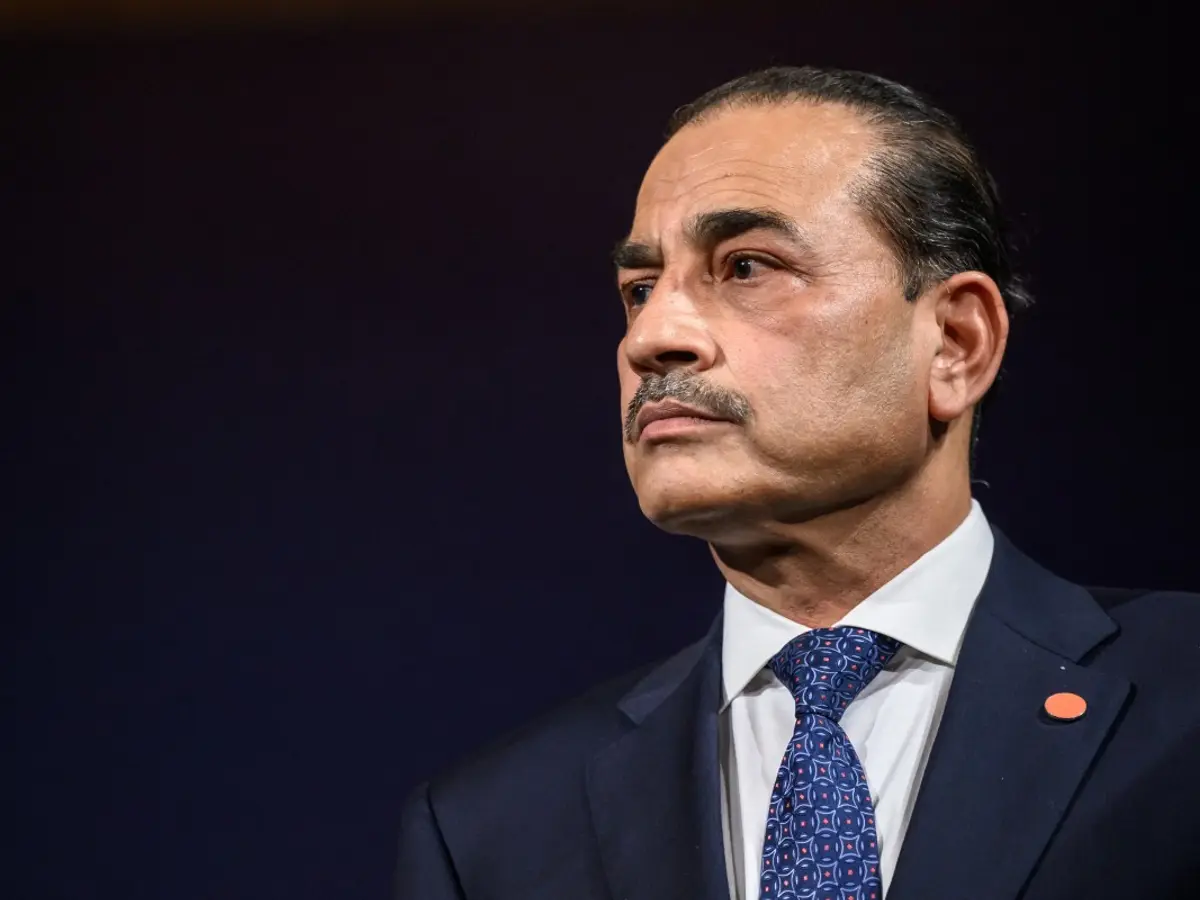
Pakistan Questions Asim Munir’s Expanding Military and Political Power
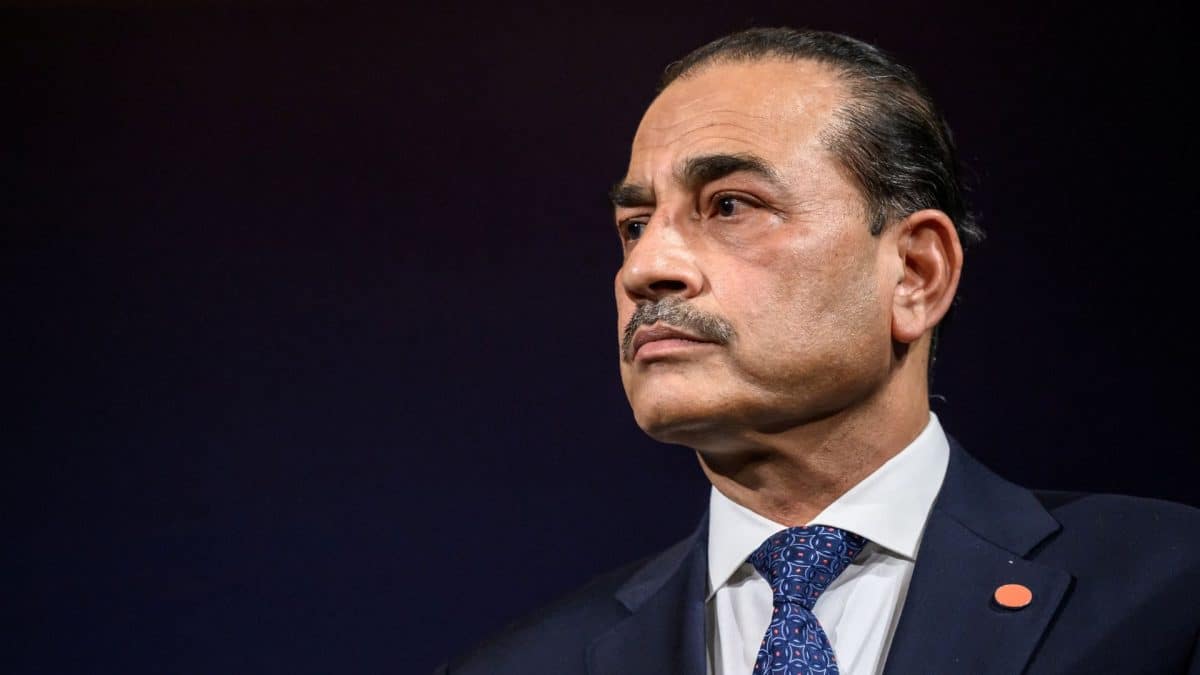
Pakistan army chief's NDMA visit sparks civilian-military uproar
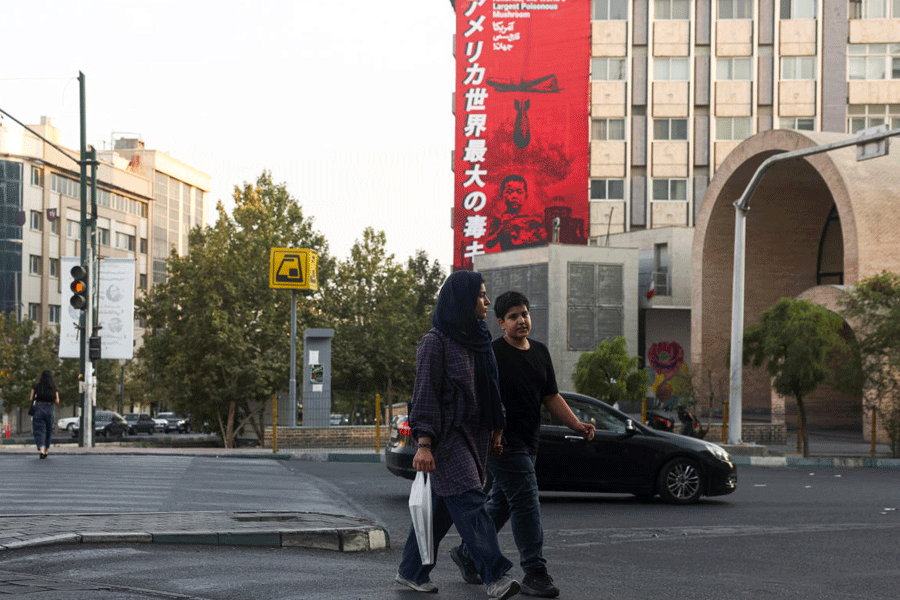
Asim Munir Balances Iran Mediation With Pakistan’s Internal Strains
India Could Overtake United States in Metro Rail Length

South China Sea Clash Exposes China’s Regional Insecurities

Satwik-Chirag Reach Third China Masters Final After Semifinal Win
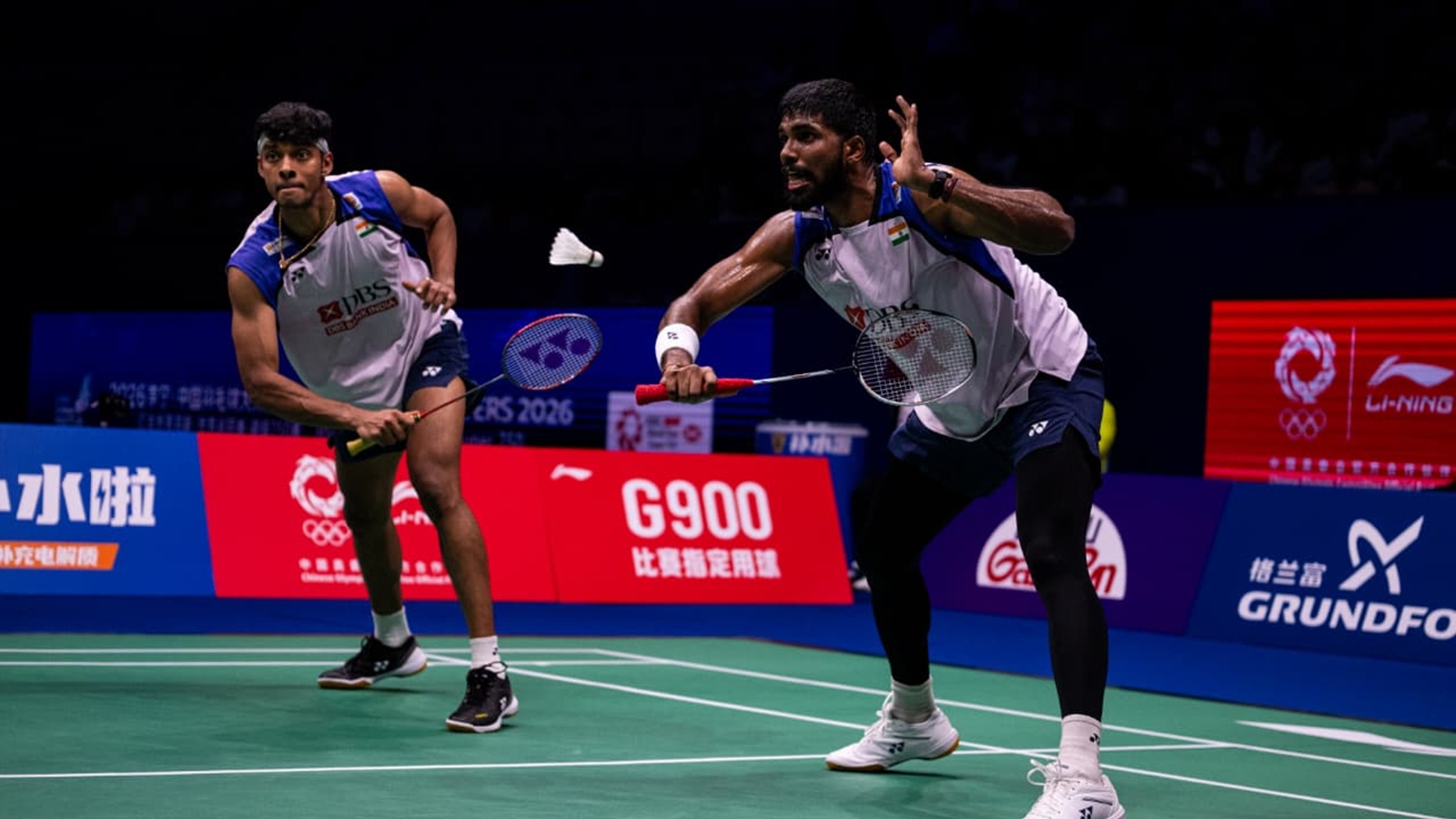
Satwik-Chirag Reach Third China Masters Final, Seek First Title