1 hr ago
South China Sea Clash Exposes China’s Regional Insecurities
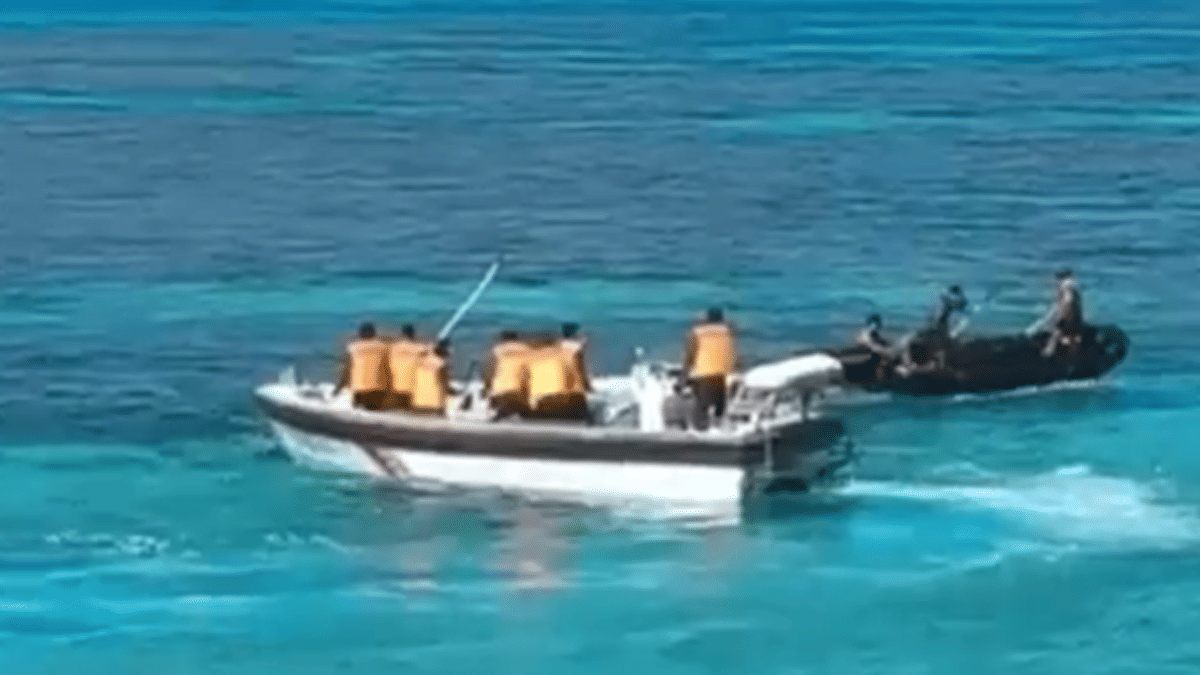
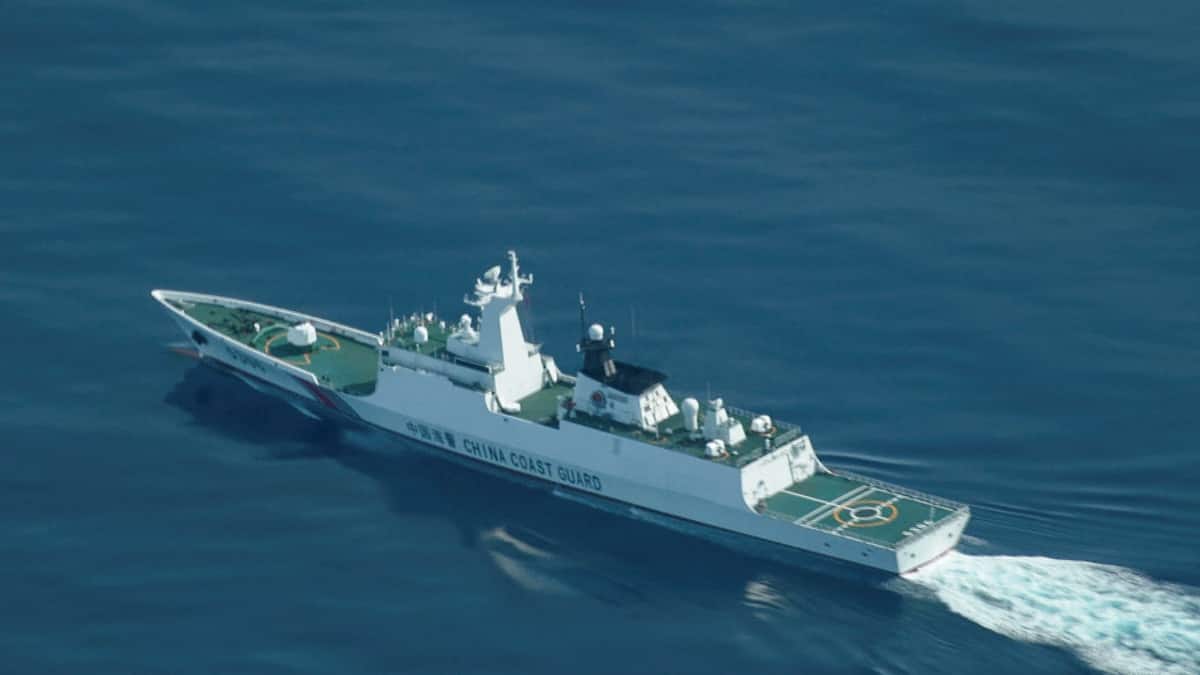
China and the Philippines had a serious confrontation near a disputed area called Second Thomas Shoal.
The clash happened before a meeting of Southeast Asian foreign ministers.
The Philippines said China acted aggressively.
China said the Philippines caused the problem.
The incident was part of many disagreements in the South China Sea over several years.
Chinese vessels have reportedly used water cannons and rammed boats in earlier encounters.
The report said these actions may be making nearby countries more united against China.
It also said the tensions have helped the United States gain a diplomatic advantage.
China and the Philippines now face a difficult moment in their relationship.

A July 20 confrontation at Second Thomas Shoal involved Chinese and Philippine personnel.
The incident followed years of reported confrontations involving water cannons, vessel ramming and alleged laser use.
The Philippines accused China of aggression, while China blamed the Philippines for provoking the clash.
President Ferdinand Marcos Jr. summoned China’s ambassador, and Wang Yi said ties faced a “critical crossroads.”
The report argued that China’s coercive tactics have increased regional unity and given the United States a diplomatic advantage.
- Who
- Chinese and Philippine coast guard and naval personnel; Philippine President Ferdinand Marcos Jr. and Chinese Foreign Minister Wang Yi also responded.
- What
- A confrontation occurred at Second Thomas Shoal, with the report stating that Chinese personnel physically confronted Philippine sailors and allegedly used a baton.
- Where
- Second Thomas Shoal in the South China Sea.
- When
- July 20; the year is not specified in the article.
- Why
- The incident arose amid years of competing claims and repeated confrontations between China and the Philippines in the South China Sea.
Philippine and critical assessment
Chinese assessment
Responsibility for the clash
Philippine and critical assessment
The Philippines accused China of aggression after Chinese personnel confronted Philippine sailors, with a baton reportedly used against a Filipino serviceman.
Chinese assessment
China blamed the Philippines for provoking the incident.
Effect of China’s approach
Philippine and critical assessment
The report argued that repeated coercive actions have strengthened Southeast Asian unity against China and created a diplomatic advantage for the United States.
Chinese assessment
China’s position, as reflected in the reported confrontation and Wang Yi’s warning, emphasizes that bilateral relations have reached a critical crossroads, without accepting the report’s criticism of Beijing’s conduct.
Key facts
- Incident date
- July 20
- Location
- Second Thomas Shoal, South China Sea
- Philippine response
- President Ferdinand Marcos Jr. summoned the Chinese ambassador and issued a reprimand.
- Chinese response
- China blamed the Philippines for provoking the incident.
- Diplomatic warning
- Wang Yi said bilateral ties had reached a “critical crossroads.”
- Reported tactics
- Earlier confrontations reportedly involved water cannons, vessel ramming and lasers.
- Report’s assessment
- China’s coercive approach may have united Southeast Asian countries and benefited the United States diplomatically.
Quotes

Japan Forward report
The publication whose report is summarized in the article.
“If Chinese strategists truly believe history favors them in the South China Sea, they should act like it. Great powers secure in their future do not need to prove it every few months with coast guard clashes. The countries that do usually reveal insecurity beneath their loud rhetoric.”
 thehansindia.com
“Each incident may seem small, but together they have created a larger problem for Beijing. Instead of strengthening its position, these actions have united Southeast Asian nations against China and handed the United States a diplomatic advantage without Washington needing to act.”
thehansindia.com
Sources
Related news

US Says China's Scarborough Shoal Claim 'Destabilizing' Region

China’s Expanding Pacific Influence Raises Japan Security Concerns

China Confirms First Fatalities in South China Sea Clash
China-Indonesia naval drill near Taiwan highlights Asean's balancing act
EU deepens security ties with Philippines in Indo-Pacific

Philippine defence chief rejects China criticism as 'squid tactic'
Philippines' Marcos sees 'distinct possibility' of joint China energy exploration
US, Japan join Philippines in South China Sea drills
China Expels Philippine Ships Near Disputed Scarborough Shoal