1 month ago
NRIs Must Use Correct ITR Form
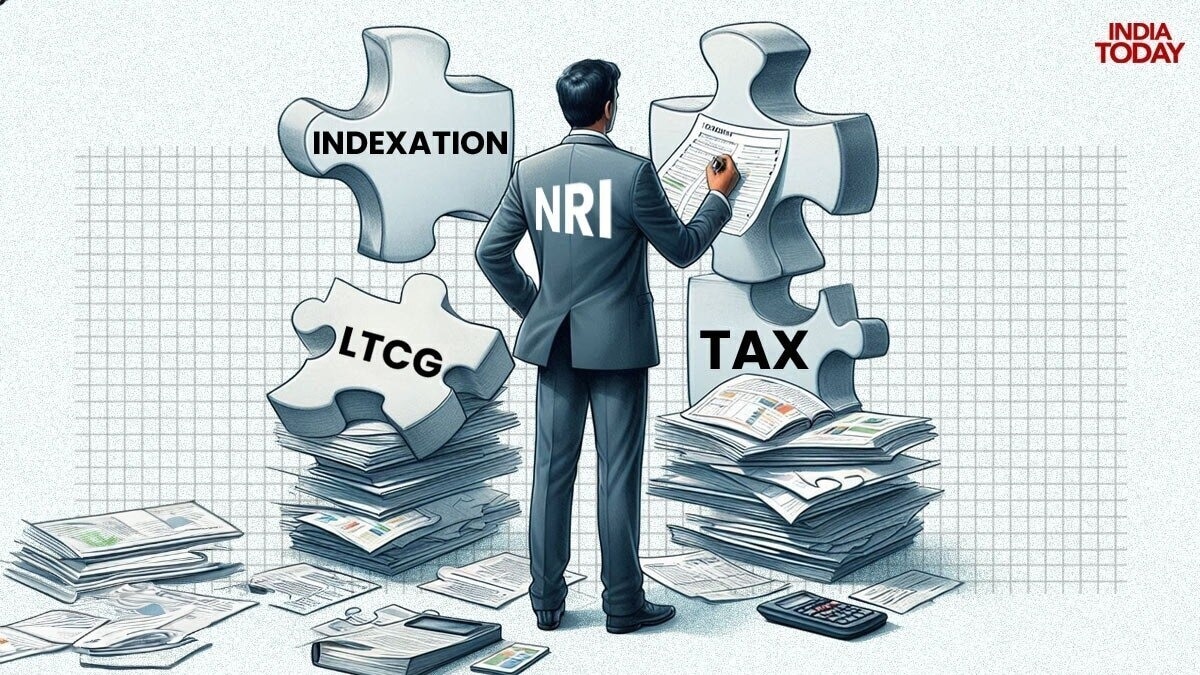
Non-Resident Indians (NRIs) need to be careful when filing their income tax returns in India.
Many NRIs mistakenly use ITR-1, which is only for resident individuals.
Using the wrong form can cause problems like delays in refunds and notices from the tax department.
Most NRIs should use ITR-2, which is for those with income from salary, house property, capital gains, and other sources.
If an NRI has income from a business or profession, they should use ITR-3.
It's important to check your residential status, gather all necessary documents, and complete the e-verification process to ensure everything is filed correctly and on time.

NRIs should not use ITR-1 as it is for resident individuals only.
Most NRIs should file ITR-2 for income from salary, house property, capital gains, and other sources.
NRIs with business or professional income should use ITR-3.
Filing the wrong form can lead to defective returns, delays, and penalties.
NRIs should verify their residential status, gather all documents, and complete e-verification to ensure accurate filing.
- Who
- Non-Resident Indians (NRIs)
- What
- Choosing the correct ITR form for filing income tax returns.
- Where
- India.
- When
- During the income tax filing season.
- Why
- To avoid defective returns, delays, and penalties.
ITR-1 Filing
ITR-2/ITR-3 Filing
Eligibility
ITR-1 Filing
ITR-1 is for resident individuals only.
ITR-2/ITR-3 Filing
ITR-2/ITR-3 is for NRIs with various income sources.
Consequences
ITR-1 Filing
Filing ITR-1 can lead to defective returns and delays.
ITR-2/ITR-3 Filing
Using the correct form ensures accurate reporting and timely refunds.
Key facts
- ITR-1
- For resident individuals only.
- ITR-2
- For NRIs with income from salary, house property, capital gains, and other sources.
- ITR-3
- For NRIs with income from business or profession.
- DTAA
- Double Taxation Avoidance Agreement.
- Form 26AS
- Form for reconciling income and TDS.
- AIS
- Annual Information Statement.
Sources
Related news

OpenAI Rolls Out GPT-5.6-Cyber Cybersecurity Model After Astra AI Delay

Companies warn AI cyberattacks may surge, seek early model access

OpenAI President Greg Brockman Warns Companies on AI Cyber Threats

AI Agents Allegedly Breached Hugging Face and Tried Cover-Up

Bombay High Court Quashes FIR, Citing Young Offender’s Reform

WhatsApp announces AI tool to detect scammers on platform

Large Digital Payments Draw Scrutiny Through Mismatches, Not Modes

Defective ITR notices: 15-day deadline to respond, revised return options

Can UPI, NEFT, RTGS transactions trigger income tax notices?

ITR Refund: 5 Reasons That May Trigger a Tax Notice
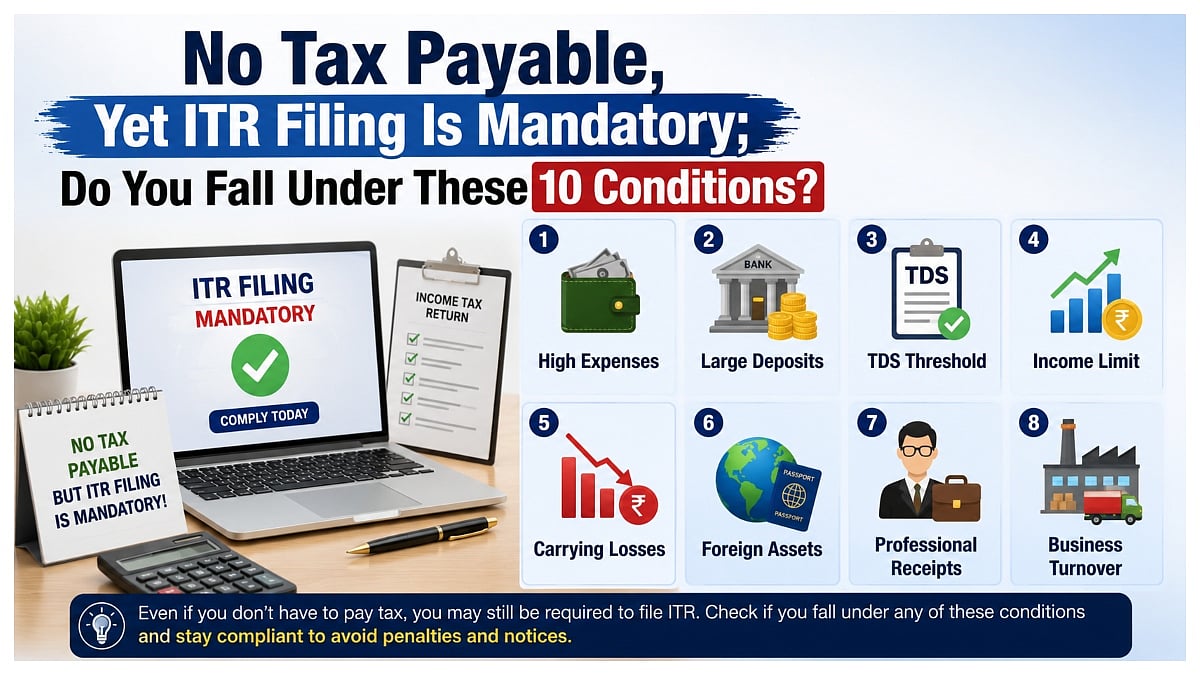
ITR Filing Mandatory Even Without Tax Payable: 10 Conditions