3 weeks ago
ITR Refund: 5 Reasons That May Trigger a Tax Notice

In India, people sometimes pay a little extra tax, and the government gives the money back — that's called a refund.
Before returning the money, tax officers check the numbers on the form.
They compare them with records from banks, employers, and other sources.
Sometimes the numbers don't match, and the refund gets held up.
There are five common reasons this can happen.
Someone may claim big tax-saving benefits without proof, or report less income than the records show.
Tax already taken from a salary may not match what the employer reported to the government.
A person might make very large bank deposits or purchases that don't fit their income.
They may also still owe tax from an earlier year.
Getting a notice doesn't mean someone did something wrong — most notices just ask for an explanation, and replying with the correct documents fixes things.

Refunds arise when TDS, advance tax or eligible deductions exceed the final tax liability.
Before releasing refunds, the Income Tax Department verifies returns against Form 26AS, AIS, TIS and third-party data.
A mismatch between income reported in the ITR and departmental records is one of the most common triggers for a notice.
Unverified TDS credits, often due to late TDS return filing or an incorrect PAN, can lead to an intimation under Section 143(1).
Existing unpaid tax liabilities or open demands from earlier financial years can trigger a notice under Section 245 and lead to refund adjustment.
- Who
- Taxpayers in India claiming Income Tax Return (ITR) refunds, and the Income Tax Department's Central Processing Centre (CPC) that verifies returns.
- What
- The Income Tax Department may hold refunds and issue notices over five triggers: inflated deduction claims, income mismatches, unverified TDS credits, unexplained high-value transactions, and prior unpaid tax liabilities.
- Where
- India.
- When
- Not specified in the article; the process covers the current assessment year and open demands from earlier financial years.
- Why
- To verify that refund claims match records from Form 26AS, AIS, TIS and third-party sources, correct processing errors, and recover outstanding tax demands.
Key facts
- Country
- India
- Refund cause
- TDS, advance tax or eligible deductions exceed final tax liability
- Verification sources
- Form 26AS, Annual Information Statement (AIS), Taxpayer Information Summary (TIS), third-party data
- Common trigger
- Mismatch between income reported in ITR and Income Tax Department records
- TDS mismatch provision
- Intimation under Section 143(1) for unverified TDS credits
- Outstanding demand provision
- Notice under Section 245
- Deductions cited
- Sections 80C, 80D and other qualifying provisions
- High-value transactions flagged
- Large cash deposits, property purchases, significant investments, large credit card payments
Sources
Related news

Understanding the Seven Key Income Tax Notices

Defective ITR notices: 15-day deadline to respond, revised return options

Forgot TCS Credit? Taxpayers Can Still Claim Refund

Can UPI, NEFT, RTGS transactions trigger income tax notices?

₹5.31 lakh ITAT Delhi refund allowed despite missing original return

Large Digital Payments Draw Scrutiny Through Mismatches, Not Modes
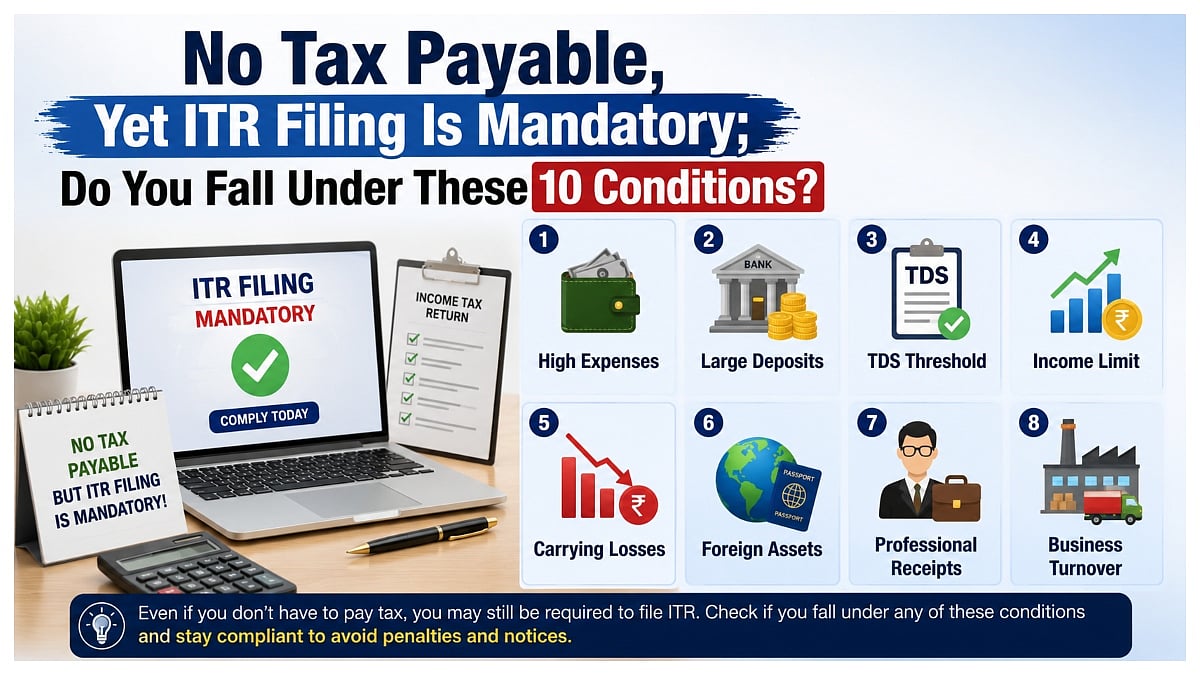
ITR Filing Mandatory Even Without Tax Payable: 10 Conditions