1 week ago
Large Digital Payments Draw Scrutiny Through Mismatches, Not Modes

Paying a large amount through UPI or a bank transfer does not automatically cause a tax problem.
The tax department is more interested in whether the money can be explained.
It may compare bank information with the income and investments shown in a tax return.
For example, unexplained large deposits or an expensive property purchase could lead to questions.
The person should be able to show whether the money came from income, a loan, a gift or another legitimate source.
Banks and other organizations report certain transactions to the tax department.
Taxpayers can check the Annual Information Statement, or AIS, for information recorded about them.
They should also compare these details with bank statements and investment records before filing a return.
If the department sends a message, its Compliance Portal can be used to respond.

Using UPI, NEFT, RTGS or IMPS does not automatically trigger an income-tax notice.
The Income Tax Department examines whether bank transactions match reported income and other financial records.
Banks and other reporting entities share specified transactions under the Statement of Financial Transactions framework.
Large transfers may attract questions when their source or purpose cannot be adequately explained.
Taxpayers can compare AIS, Form 26AS, bank statements and investment records before filing their returns.
- Who
- The Income Tax Department, banks, financial institutions and taxpayers.
- What
- The department may review large or unusual financial activity when it does not match reported income or lacks an explained source; the payment method alone is not an automatic trigger.
- Where
- Through financial accounts and the Income Tax Department’s AIS and Compliance Portal systems in India.
- When
- Before filing an income-tax return and when the department identifies a mismatch; from assessment year 2023-24, Form 26AS primarily displays TDS/TCS information.
- Why
- To compare reported tax information with financial data received from banks, institutions and other reporting entities.
Key facts
- Payment modes
- UPI, NEFT, RTGS and IMPS do not by themselves trigger an income-tax notice.
- Reporting framework
- Specified entities report prescribed transactions under the Statement of Financial Transactions framework.
- Legal basis
- Section 285BA of the Income-tax Act, 1961, read with Rule 114E, governs specified reporting requirements.
- Possible concern
- Repeated sizeable credits, large investments or property purchases may prompt questions if their sources are not established.
- AIS
- The Annual Information Statement includes TDS/TCS, SFT, tax-payment and certain other information received by the department.
- Form 26AS
- From assessment year 2023-24 onward, Form 26AS primarily displays TDS/TCS-related information.
- Taxpayer response
- The Compliance Portal allows taxpayers to view and respond to e-campaigns, e-verification requests and e-proceedings.
Sources
Related news
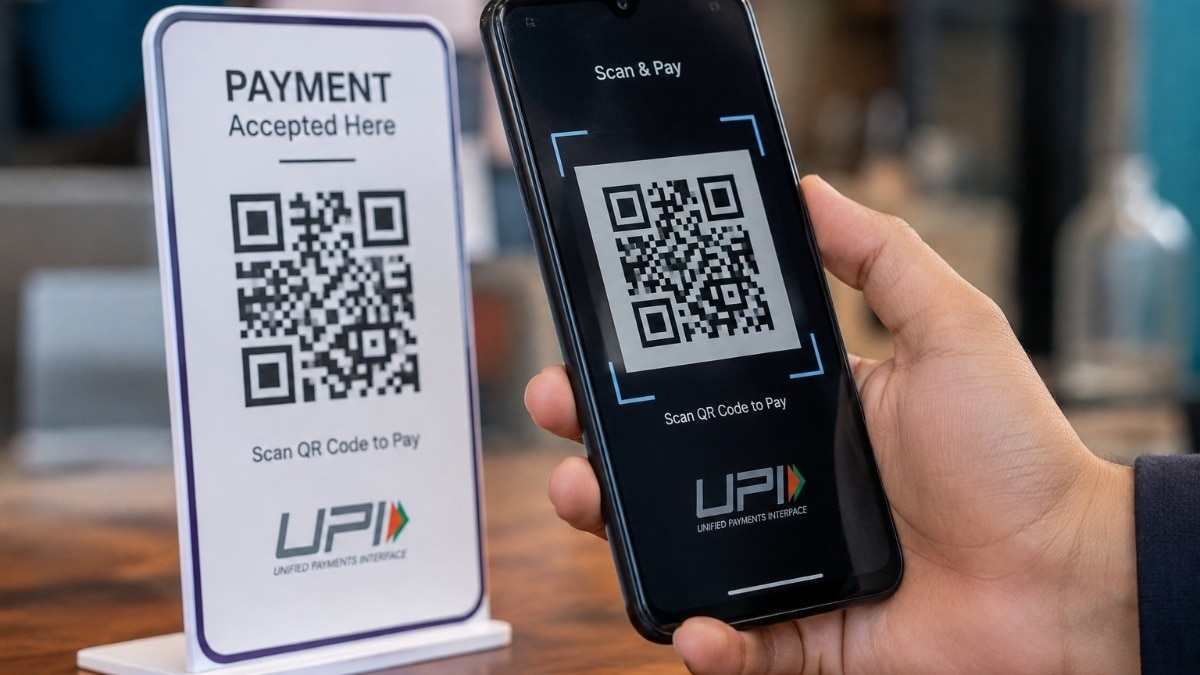
Can UPI, NEFT, RTGS transactions trigger income tax notices?
India Probes Suspicious Outward Remittances Exceeding Rs 30,000 Crore

Six Foreign Remittance Red Flags That May Trigger Tax Scrutiny
India Tax Department Probes Suspicious Overseas Remittances Nationwide

ITR Refund: 5 Reasons That May Trigger a Tax Notice

Income Tax Department Probes ₹30,000 Crore Foreign Remittances

Defective ITR notices: 15-day deadline to respond, revised return options
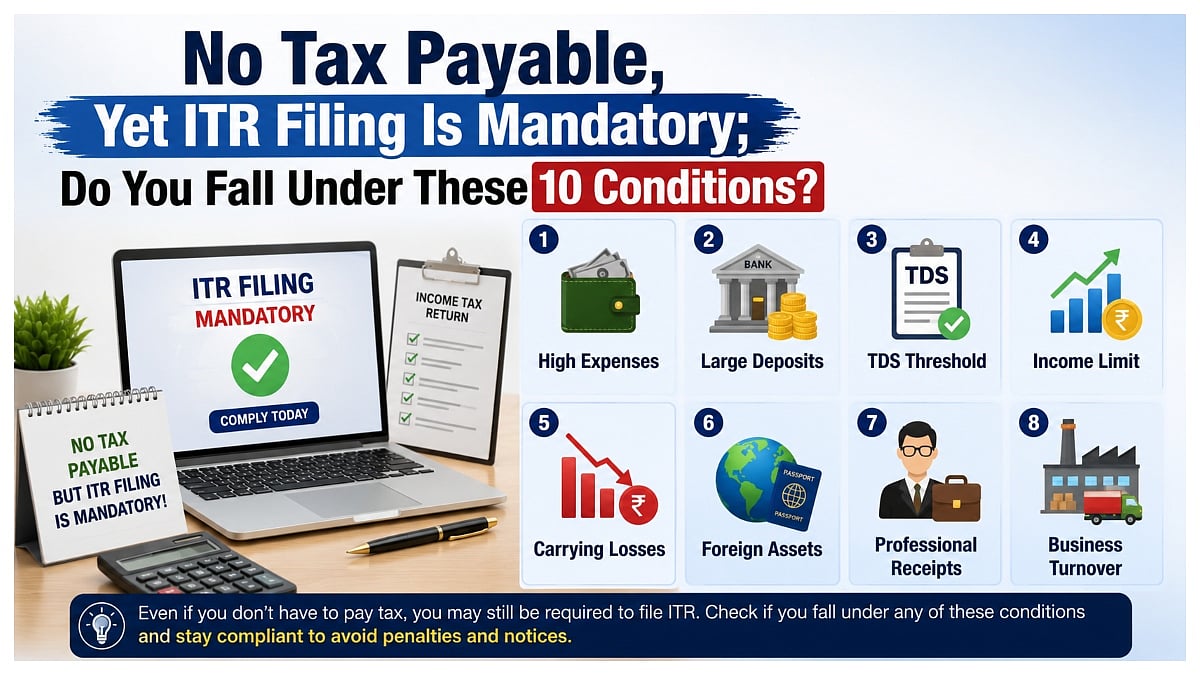
ITR Filing Mandatory Even Without Tax Payable: 10 Conditions