3 weeks ago
Can UPI, NEFT, RTGS transactions trigger income tax notices?
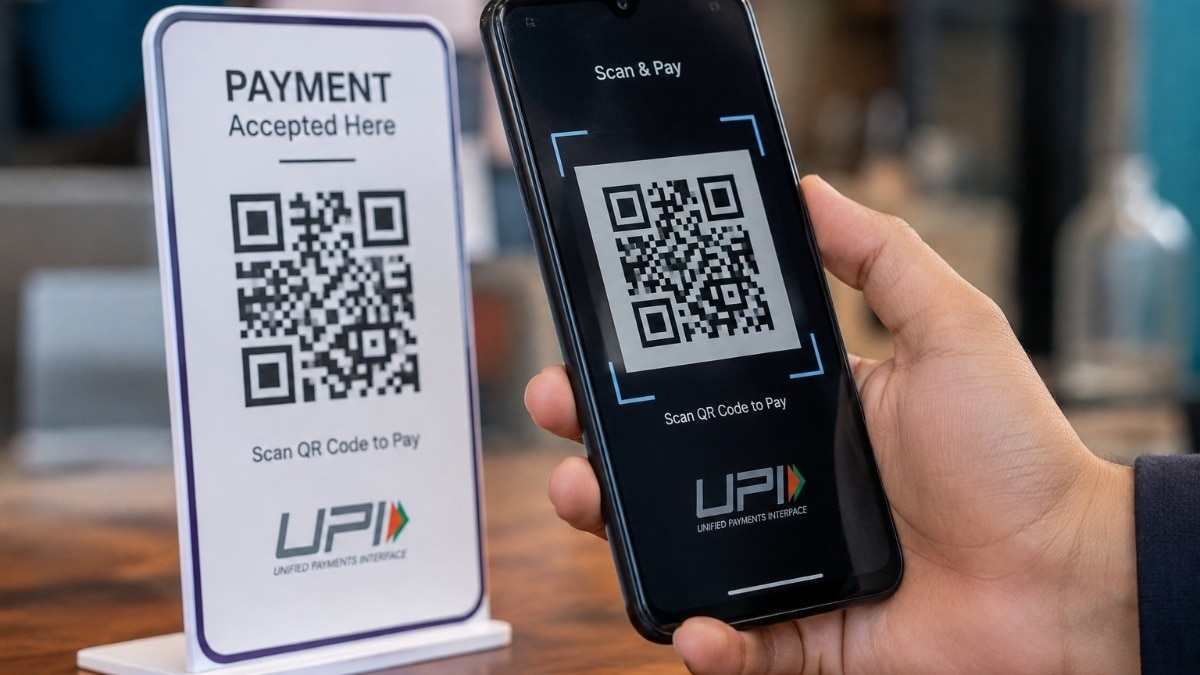
When grown-ups send or receive money using apps and bank transfers, the tax department in India can see these transactions.
Some money moves use special codes called UPI, NEFT, RTGS and IMPS.
The tax department gets a big list of these transactions from banks and other companies.
It checks the list against what people say they earned in their tax forms.
If lots of money goes into a bank account that does not match what the person said they earned, the tax people may ask questions.
Buying a very expensive house using a bank transfer can also cause questions if the person cannot show where the money came from.
To stay safe, people should check their tax information forms, called AIS and Form 26AS, before filling their tax returns.
Keeping records of where money came from, and using separate accounts for work and personal money, helps too.
If all the information matches, people usually have nothing to worry about.

Digital payments such as UPI, NEFT, RTGS and IMPS can trigger income tax scrutiny when they don't match declared income.
Substantial bank account credits that aren't reported as legitimate income in the ITR are a common trigger for notices.
High-value property purchases funded through NEFT or RTGS may invite questions if the source of funds can't be established.
The tax department gets transaction data under the Statement of Financial Transactions (SFT) framework and matches it against the taxpayer's PAN.
Taxpayers can avoid notices by checking AIS and Form 26AS before filing, keeping source-of-funds records and separating business and personal accounts.
- Who
- Income taxpayers in India and the Income Tax Department
- What
- Digital banking payments (UPI, NEFT, RTGS, IMPS) can trigger income tax scrutiny when they don't match declared income
- Where
- India
- When
- Not specified in the article; the guidance relates to the ongoing tax filing process
- Why
- Banks and other institutions report transactions to the tax department, which compares them against income declared in tax returns and asks taxpayers to explain mismatches
Key facts
- Payment modes covered
- UPI, NEFT, RTGS, IMPS
- Common trigger
- Credits in a bank account not reported as legitimate income in the ITR
- Tracking framework
- Statement of Financial Transactions (SFT)
- Key documents
- AIS and Form 26AS
- Reporting entities
- Banks, financial institutions, mutual funds and property-related authorities
- Taxpayer advice
- Check AIS/Form 26AS, keep a source-of-funds trail, separate business and personal accounts
Sources
Related news

Large Digital Payments Draw Scrutiny Through Mismatches, Not Modes
ITR Refund: 5 Reasons That May Trigger a Tax Notice
India Probes Suspicious Outward Remittances Exceeding Rs 30,000 Crore

Six Foreign Remittance Red Flags That May Trigger Tax Scrutiny

Understanding the Seven Key Income Tax Notices
India Tax Department Probes Suspicious Overseas Remittances Nationwide

Defective ITR notices: 15-day deadline to respond, revised return options
ITR Filing Mandatory Even Without Tax Payable: 10 Conditions