1 day ago
Astronomers Detect Radio Emission From Exoplanet, Urge Caution
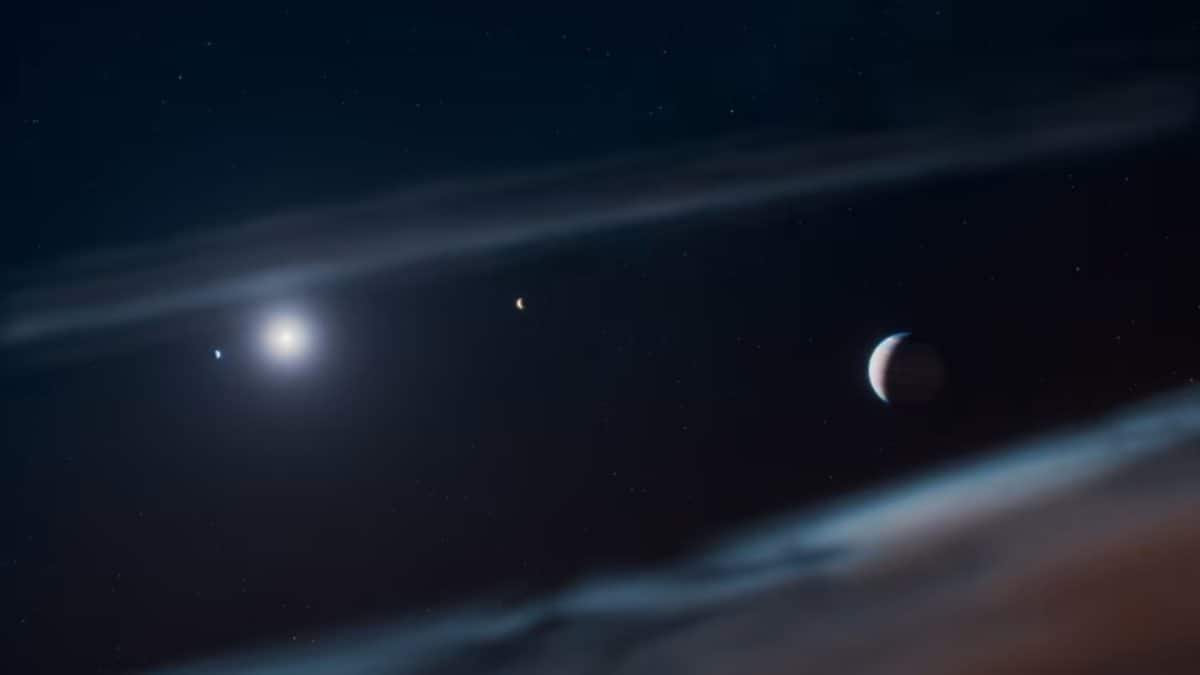
Astronomers have detected repeating radio signals that seem to come from a planet called Beta Pictoris b.
The planet is outside our solar system and is about 63 light-years away.
It is a giant planet with about 12 times Jupiter’s mass.
Researchers think its strong magnetic field helps create the signals.
The process may also involve auroras, like the northern lights on Earth.
The planet’s magnetic field is estimated to be at least 200 times stronger than Jupiter’s.
The scientists say this is not a sign of intelligent life.
They hope radio observations can help us learn more about planets beyond our solar system.

Researchers reported repeating radio bursts apparently coming from Beta Pictoris b, an exoplanet about 63 light-years from Earth.
The gas giant is about 12 times the mass of Jupiter and orbits a young star with two other planets.
The team attributes the radio emission to processes linked to the planet’s magnetic field and auroras.
Coauthor Edo Berger said the planet’s magnetic field is at least 200 times stronger than Jupiter’s.
Researchers stressed that the signal is evidence of a strong magnetic field, not intelligent life.
- Who
- A team from the Centre for Astrophysics | Harvard & Smithsonian, including coauthor Edo Berger.
- What
- Researchers reported detecting repeating radio emission apparently coming from the exoplanet Beta Pictoris b.
- Where
- The signals appear to come from Beta Pictoris b, about 63 light-years from Earth.
- When
- The research paper was posted to arXiv on September 15; the article says it will soon be published in a peer-reviewed journal.
- Why
- Researchers say processes associated with the planet’s magnetic field, including auroral activity, produce the radio emission.
Key facts
- Planet
- Beta Pictoris b
- Distance from Earth
- About 63 light-years
- Estimated mass
- About 12 times Jupiter’s mass
- Magnetic field
- At least 200 times stronger than Jupiter’s, according to Edo Berger
- Signal
- Repeating radio bursts attributed by the researchers to magnetic-field processes
- Research team
- Centre for Astrophysics | Harvard & Smithsonian
- Publication status
- Paper posted to arXiv on September 15; described as soon to be published in a peer-reviewed journal
Quotes
Edo Berger
Professor of astronomy at Harvard University and coauthor of the study
“In order to see radio waves that extend all the way to the frequencies that we observed, you need an incredibly strong magnetic field.”
 firstpost.com
“I know radio signals are associated with searches for extraterrestrial intelligence, but this is something very different.”
firstpost.com
Sources
Related news

First Radio Signals Directly Localized to Exoplanet Beta Pictoris b
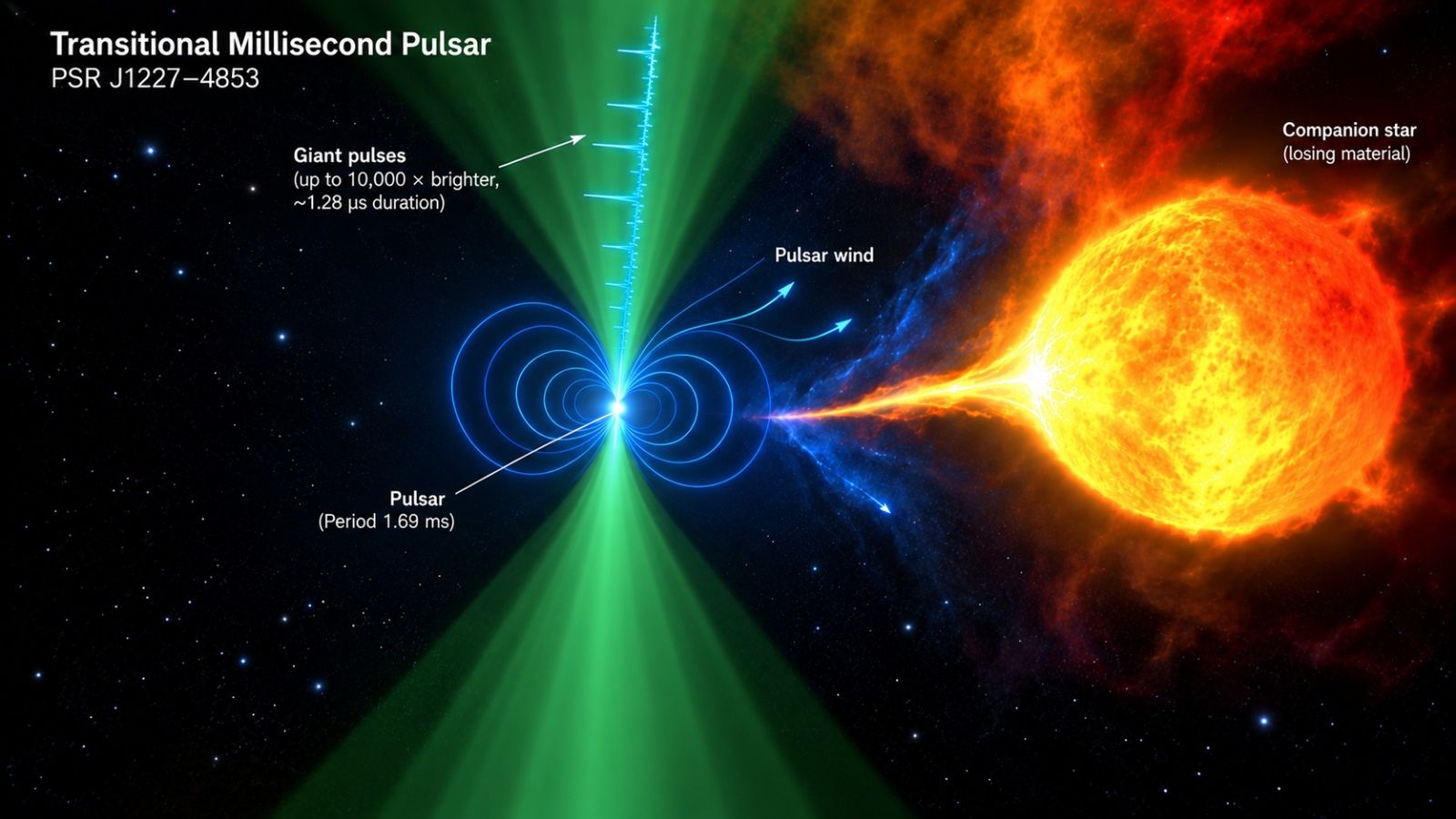
uGMRT Detects Extreme Radio Flashes From Rare Neutron Star
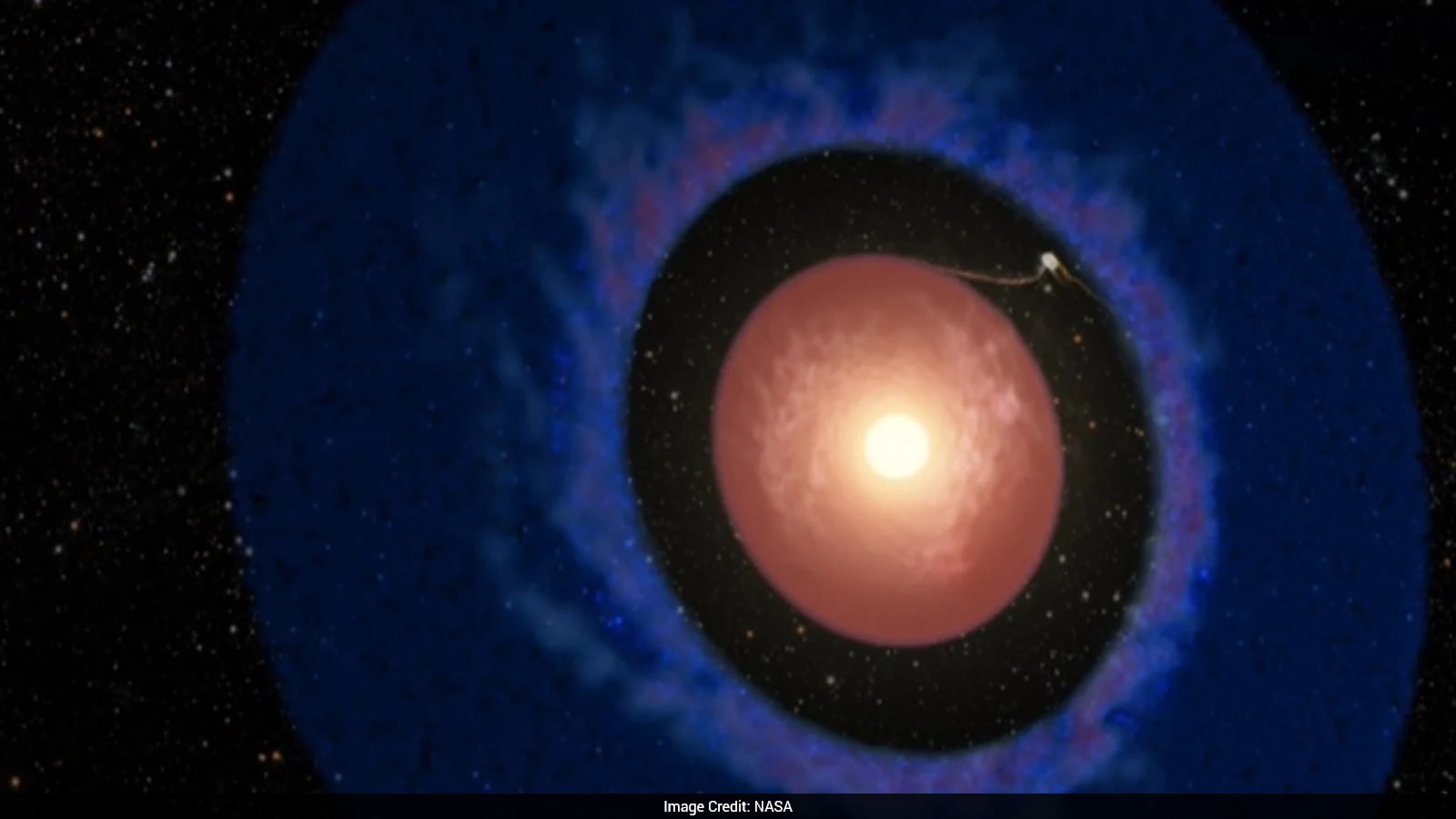
Astronomers Confirm Youngest Known Planet, Still Inside Birth Disk
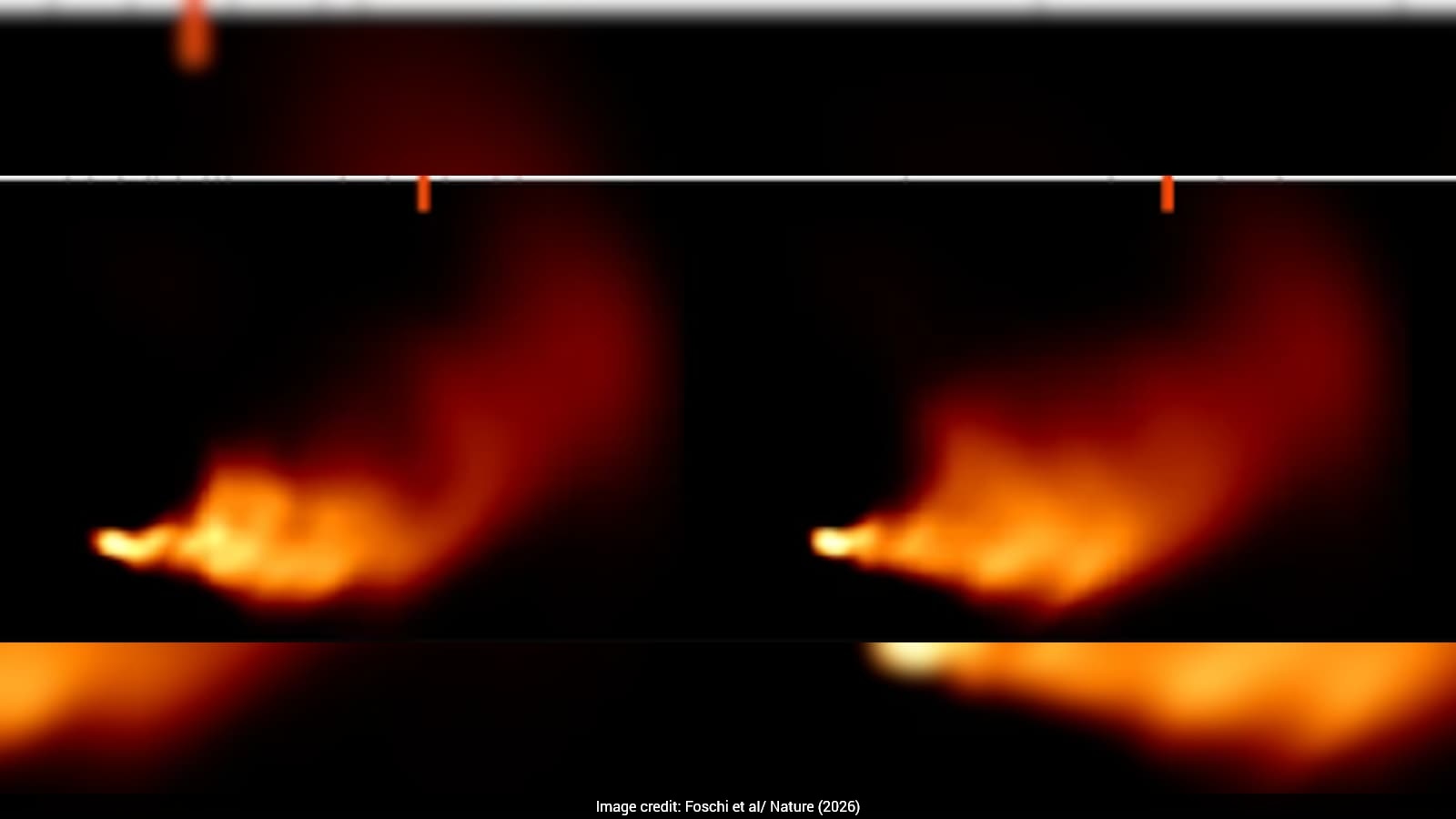
AI Helps Astronomers Create Video of Black Hole Jet

Scientists Spot Giant Ten-Sided Wave Over Saturn’s South Pole