1 week ago
CAZRI Tourism Park Protects Species and Fights Desertification

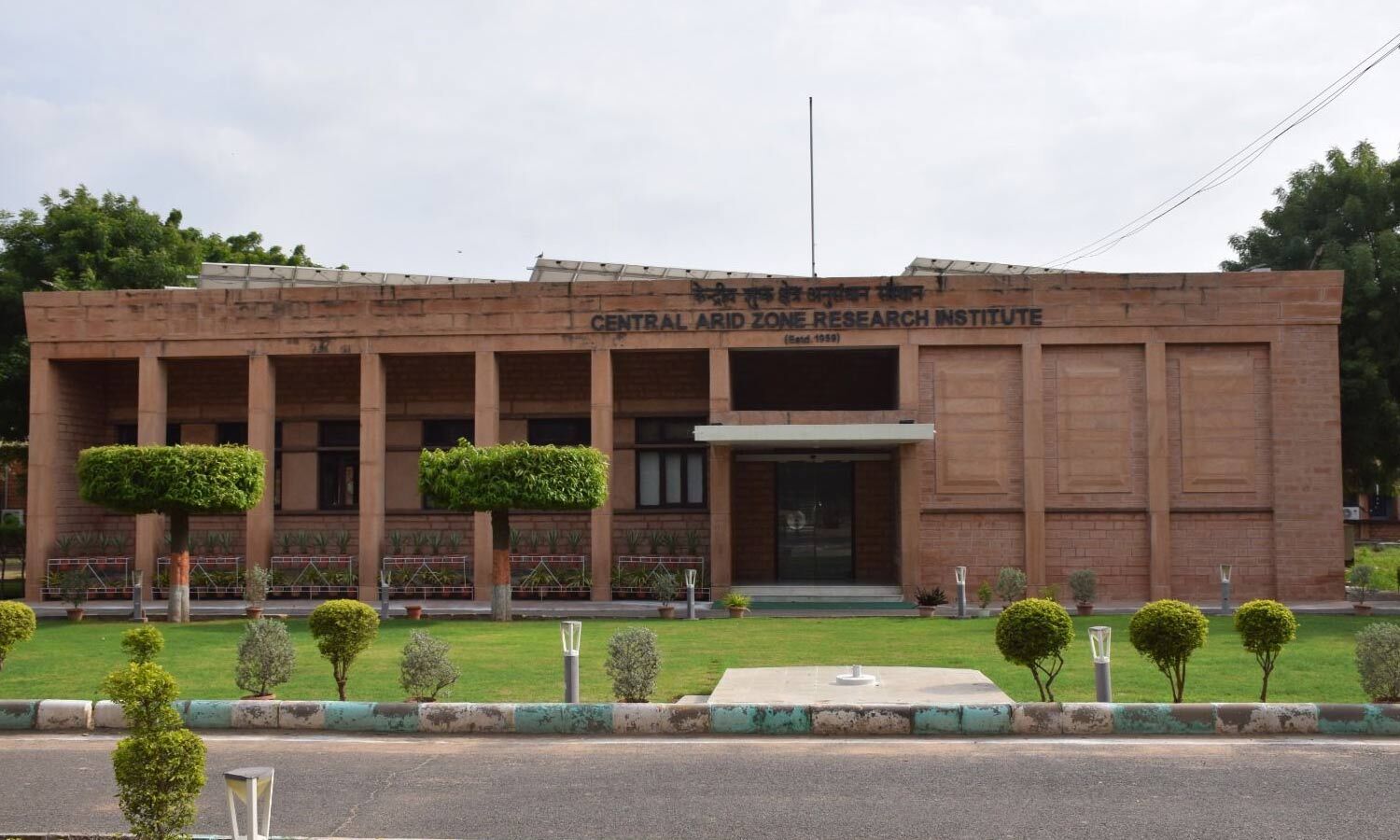
The Central Arid Zone Research Institute runs a large plant park in Jodhpur, Rajasthan.
The park shows how dry desert land can be protected and used for farming.
It has about 150 kinds of plants, including medicinal, fruit and desert plants.
Seven endangered plant species are being grown and protected there.
Scientists also teach visitors how different soils work.
They use fences, small wind barriers and special plants to stop sand dunes from moving.
Trees planted in shelterbelts slow the wind and reduce soil loss.
These methods have been used across 400 kilometres of western Rajasthan.
The park is open to the public and offers guided tours.

The eight-hectare Agri-Eco Tourism Park in Jodhpur contains 150 plant species across 32 blocks.
The park protects seven endangered species, including Guggu, Paneerbandh and Somlata.
CAZRI research uses sand-dune stabilization and shelterbelts to reduce wind erosion and support farming.
Shelterbelts can reduce wind speed by 20–30% and wind-induced erosion by about 50%.
More than 15,000 people, including farmers, students and officials, visited the park during the past two to five years.
- Who
- The Central Arid Zone Research Institute (CAZRI), its scientists and visitors, including farmers, students and forest officers.
- What
- CAZRI is protecting endangered plants and demonstrating research on desertification control, soil and farming.
- Where
- The Agri-Eco Tourism Park is in Jodhpur, Rajasthan, while related technologies have been adopted across 400 kilometres of western Rajasthan.
- When
- CAZRI was established in 1952; the park received more than 15,000 visitors during the past two to five years.
- Why
- The institute aims to control desertification, reduce sand movement and erosion, conserve soil resources, protect plant species and support agriculture.
Key facts
- Park size
- 8 hectares divided into 32 blocks
- Plant diversity
- About 150 plant species, including medicinal plants, cacti, succulents, fruit plants, grasses and ornamental shrubs
- Endangered species
- Seven endangered species are being protected and grown
- Visitors
- More than 15,000 people visited during the past two to five years
- Shelterbelt impact
- Neem, Israeli Babool and Desi Babool shelterbelts reduce wind speed by 20–30% and wind-induced erosion by about 50%
- Technology coverage
- CAZRI desertification-control technology has been adopted across 400 kilometres of western Rajasthan
- Public access
- The park is open to the public and conducts guided tours for groups
Sources
Related news
CAZRI Urges Andhra Pradesh, Telangana to Adopt Desert Farming

Camel Herder's Award-Winning Fight to Protect Thar Grassland

CISF Plants Trees to Revive Yamuna Bank in Delhi
New Tamil Nadu Herb Highlights Coastal Dune Biodiversity

Central Railway Plants Vetiver Grass To Stabilize Kasara–Igatpuri Slopes