2 days ago
Central Railway Plants Vetiver Grass To Stabilize Kasara–Igatpuri Slopes
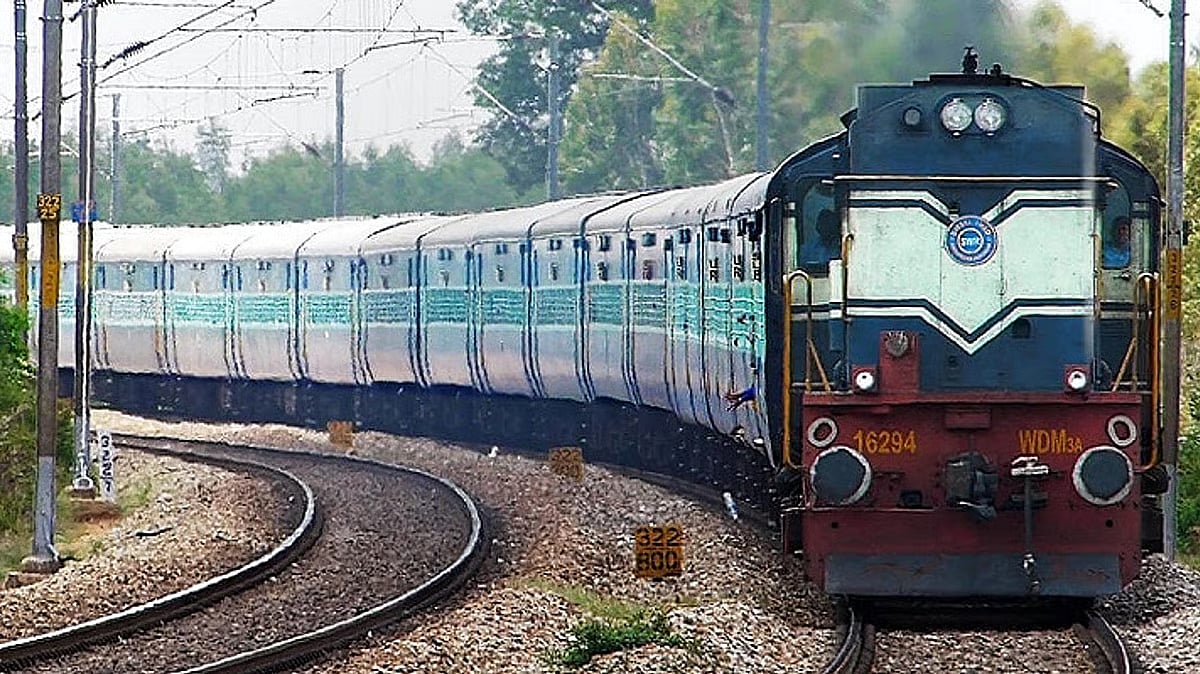
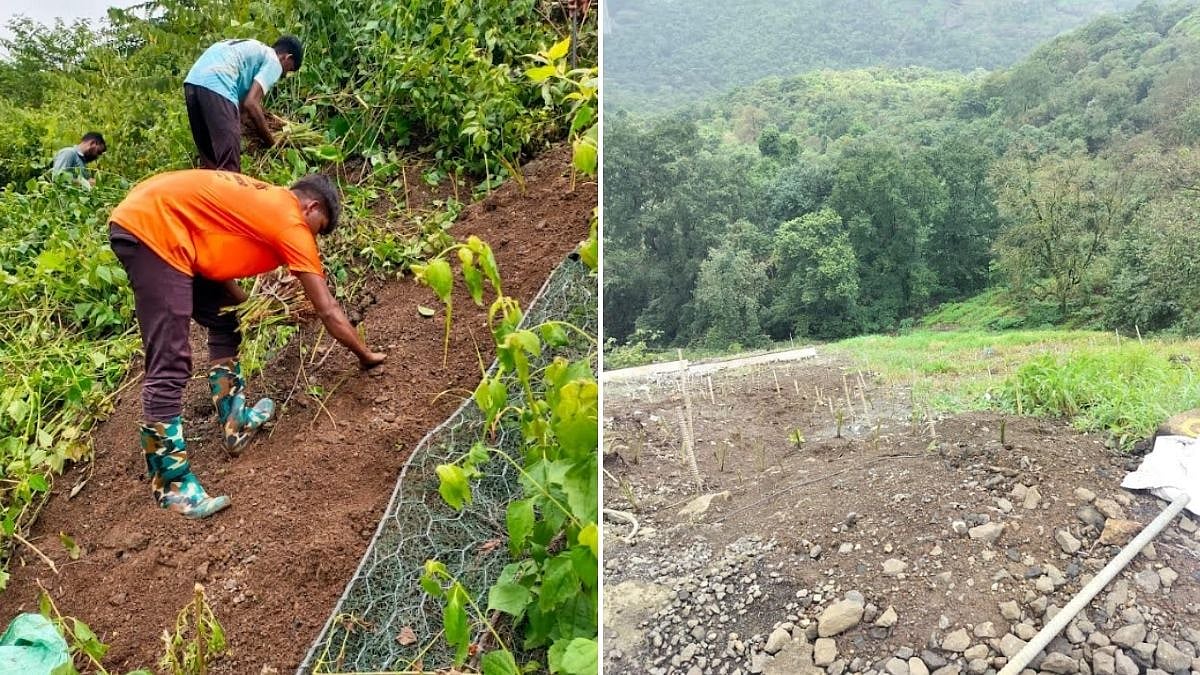
Central Railway is trying a new way to protect railway tracks from soil erosion.
It planted vetiver grass along part of the Kasara–Igatpuri route.
The grass was planted across 4,250 square metres.
Its roots grow deep and form a thick net that holds soil together.
The leaves also slow down rainwater flowing down slopes.
This can reduce gullies, carry less soil away and help water enter the ground.
The area can face falling rocks, landslides and fast water during the monsoon.
Railway officials are testing whether the grass can make train operations safer.
They are comparing it with regular engineering methods.

Central Railway planted vetiver grass across 4,250 square metres along the Kasara–Igatpuri route.
The experimental plantation is located between Thakurwadi Cabin and Palsdari.
Vetiver hedges are being planted along contour lines on slopes and embankments.
The grass is intended to reduce erosion, water flow, sediment movement and landslide risks.
Railway officials are assessing vetiver bioengineering alongside conventional engineering measures for slope stability.
- Who
- Central Railway.
- What
- Planted vetiver grass experimentally to reduce soil erosion and improve slope stability.
- Where
- Across 4,250 square metres along the mid-line between Thakurwadi Cabin and Palsdari on the Kasara–Igatpuri route in Thal Ghat.
- When
- The article does not provide a plantation date; the grass is expected to grow three to four metres within 12 to 24 months.
- Why
- To address soil erosion, rapid water flow, falling rocks and landslides that can affect railway operations during the monsoon.
Key facts
- Initiative
- Vetiver Bioengineering
- Plantation area
- 4,250 square metres
- Location
- Thakurwadi Cabin–Palsdari section, Kasara–Igatpuri route
- Expected growth
- Three to four metres within 12 to 24 months
- Soil benefit
- Roots may increase soil shear resistance by around 30% to 40%
- Additional measures
- Effectiveness is being assessed alongside conventional engineering measures
Sources
Related news
Central Railway Tests Vetiver Grass Against Mumbai-Pune Ghat Landslides

MRVC Uses Special Soil Technique to Tackle Virar-Dahanu Quadrupling

CISF Plants Trees to Revive Yamuna Bank in Delhi

Vande Bharat Train Winds Through Misty Western Ghats
Vande Bharat safety trials begin on critical Western Ghats section
Indore Municipal Corporation Banks on Bamboo to Curb Soil Erosion

Ganpati Special Trains Attract 1.17 Lakh Bookings Before Rush

Students Remain Stable After Illness Aboard Mangala Express
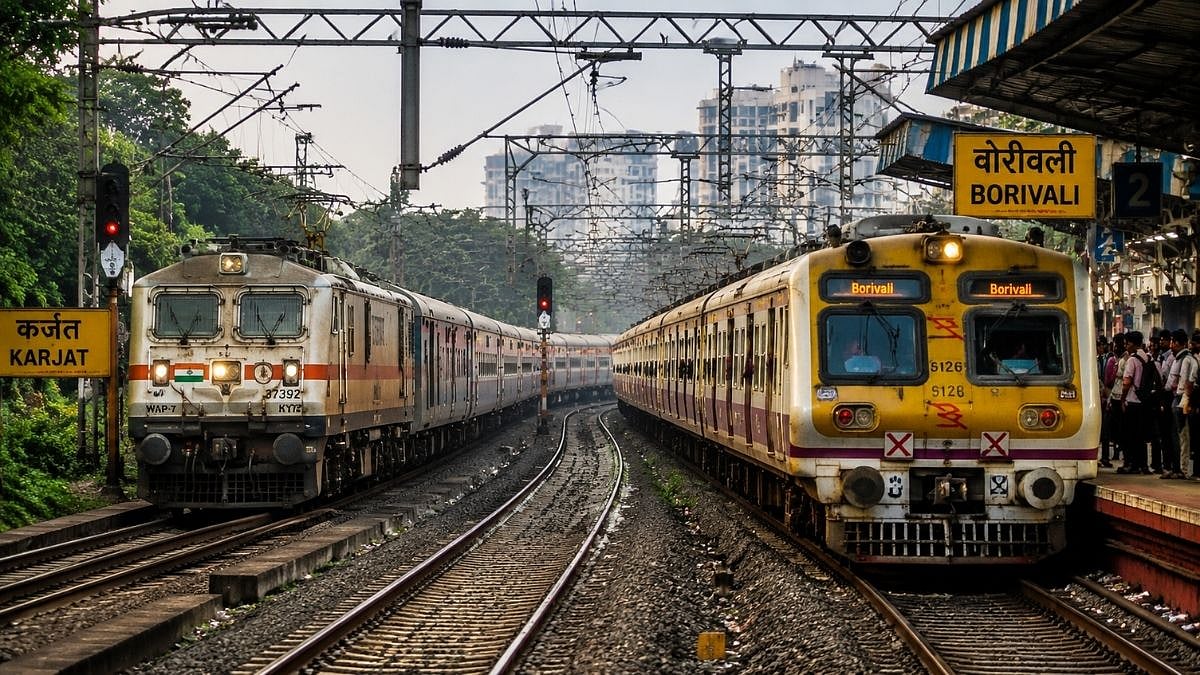
Mumbai Train Services Hit by Karjat Fault, Borivali Trespassing