2 weeks ago
Camel Herder's Award-Winning Fight to Protect Thar Grassland

In the Thar desert of Rajasthan, India, there is a very big piece of land called the Degrai Mata Oran.
It is a special grassland where camels and other animals can find food and water.
About 5,000 families who raise animals depend on this land to earn a living.
A camel herder named Sumer Singh Bhati loves this land and the animals that live on it.
He noticed that some of the land was marked as 'wasteland' on official papers, meaning it could be given away for other uses like solar panels.
He also worried that new power projects would hurt the grassland and rare animals like the Great Indian Bustard.
So Bhati walked for 85 days, covering about 700 kilometres with more than 100 farmers, to ask the government to protect the land.
Because of the march, nearly 3,800 hectares of grassland were officially recorded and the Supreme Court is now looking at the case.
His hard work won him a place among the winners of the Rangeland Awards 2026.
Bhati believes that if villages survive, so will the towns.

Traditional camel herder Sumer Singh Bhati of Jaisalmer was named among the global awardees of the Rangeland Awards 2026 for his grassland protection work.
The Degrai Mata Oran spans nearly 10,000 hectares and supports about 5,000 pastoral families, more than 50,000 livestock animals and the critically endangered Great Indian Bustard.
Only about 4,000 hectares of the oran were recognised as such in revenue records as of 2022, leaving much of the rest classified as wasteland and vulnerable to allotment for other uses.
Bhati led the 85-day, roughly 700 km Oran Bachao Padyatra from the Tanot Mata temple in Jaisalmer district to Jaipur between 21 January and 16 April 2026, joined by more than 100 farmers and livestock rearers.
The march helped get about 3,800 hectares of land officially entered into government records, and in April 2026 the Supreme Court took on record an intervention application seeking constitutional protection for orans.
- Who
- Sumer Singh Bhati, a traditional camel herder from Jaisalmer, together with nearly 20 pastoral communities and more than 100 farmers and livestock rearers.
- What
- A campaign to protect the Degrai Mata Oran grassland in the Thar from misclassification in official records and from solar and wind energy projects, including an 85-day padyatra.
- Where
- The Degrai Mata Oran in the Thar desert of western Rajasthan, India; the march went from the Tanot Mata temple in Jaisalmer district to the state capital Jaipur.
- When
- The Oran Bachao Padyatra ran from 21 January to 16 April 2026; Bhati and communities began organising formally around 2018, and he received the Rangeland Award in 2026.
- Why
- The grassland provides highly nutritious native grasses for camels and livestock, sustains pastoral livelihoods, and is home to the critically endangered Great Indian Bustard.
Grassland Conservation
Renewable Energy Development
Solar and wind projects on grasslands
Grassland Conservation
Solar and wind projects being sanctioned and carried out on the oran degrade grasslands that feed camels and livestock and shelter the critically endangered Great Indian Bustard; the ecological and pastoral value of these landscapes should be recognised before decisions about their future are made.
Renewable Energy Development
The grasslands are partly classified as wasteland in official records, leaving them open to allotment for large-scale solar and wind energy infrastructure supporting renewable-energy development across western Rajasthan.
Official classification of oran land
Grassland Conservation
Only about 4,000 of the roughly 10,000 hectares are recognised as oran in revenue records, so the rest should be recorded as community-conserved grassland to prevent diversion to other uses.
Renewable Energy Development
Large parts of the landscape are formally categorised as wasteland, which under existing records makes them legally available for other forms of land use.
Key facts
- Grassland area
- Nearly 10,000 hectares
- Pastoral families dependent
- About 5,000
- Livestock animals dependent
- More than 50,000
- Oran land in revenue records (2022)
- About 4,000 hectares of the ~10,000
- Land entered into government records after padyatra
- Approximately 3,800 hectares
- Oran Bachao Padyatra
- 85-day, ~700 km foot march from Tanot Mata temple (Jaisalmer) to Jaipur, 21 January – 16 April 2026
- Key native grasses
- Sewan (Lasiurus sindicus) and Dhaman (Cenchrus setigerus)
- Recognition
- Global awardee, Rangeland Awards 2026; Supreme Court took intervention application on record in April 2026
Quotes
Sumer Singh Bhati
Camel herder and community activist from Jaisalmer
“See, the grasses are very important here. Sewan and Dhaman grass. These are vital for the Indian bustard or camels.”
 thebetterindia.com
“We can’t let that happen. We humans depend on it too, because the fauna is there, the camel is there.”
thebetterindia.com
Sources
Related news

India urges community-led rangeland restoration at UNCCD CoP17
India Launches First Grasslands Guide, Highlights Open Ecosystems
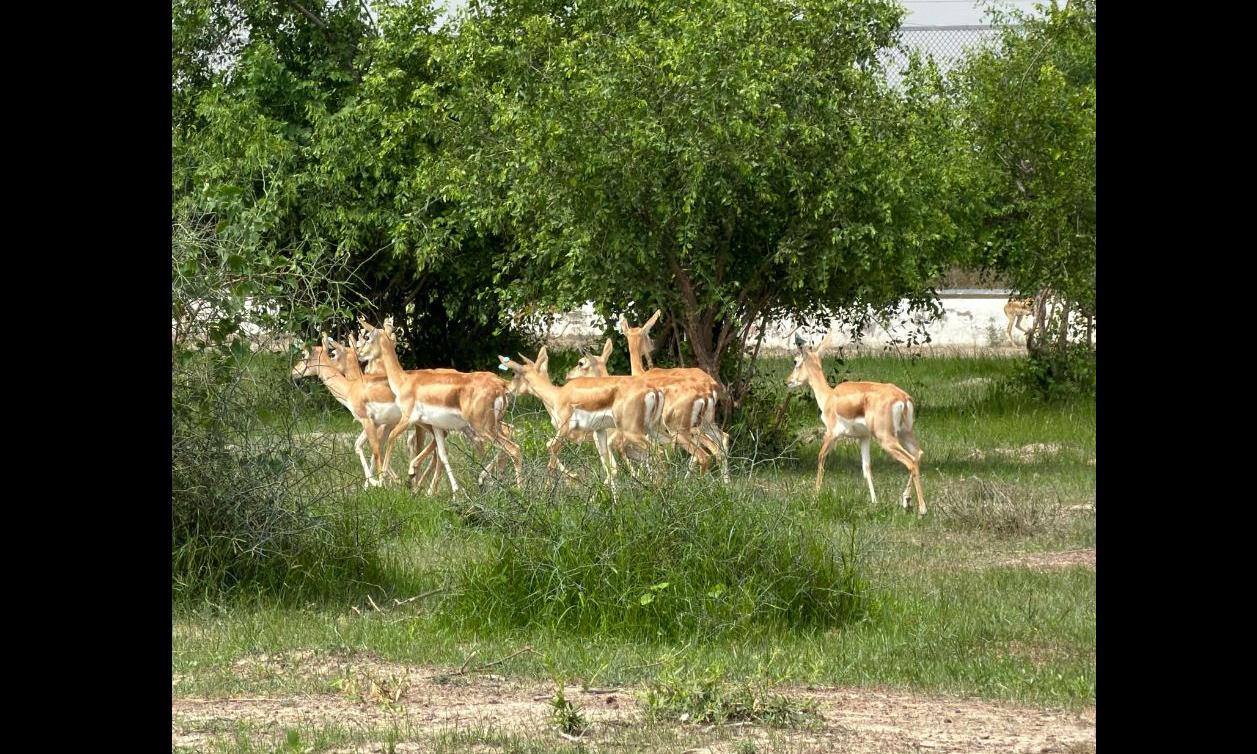
Gujarat releases 20 blackbucks in Banni Grasslands on Independence Day
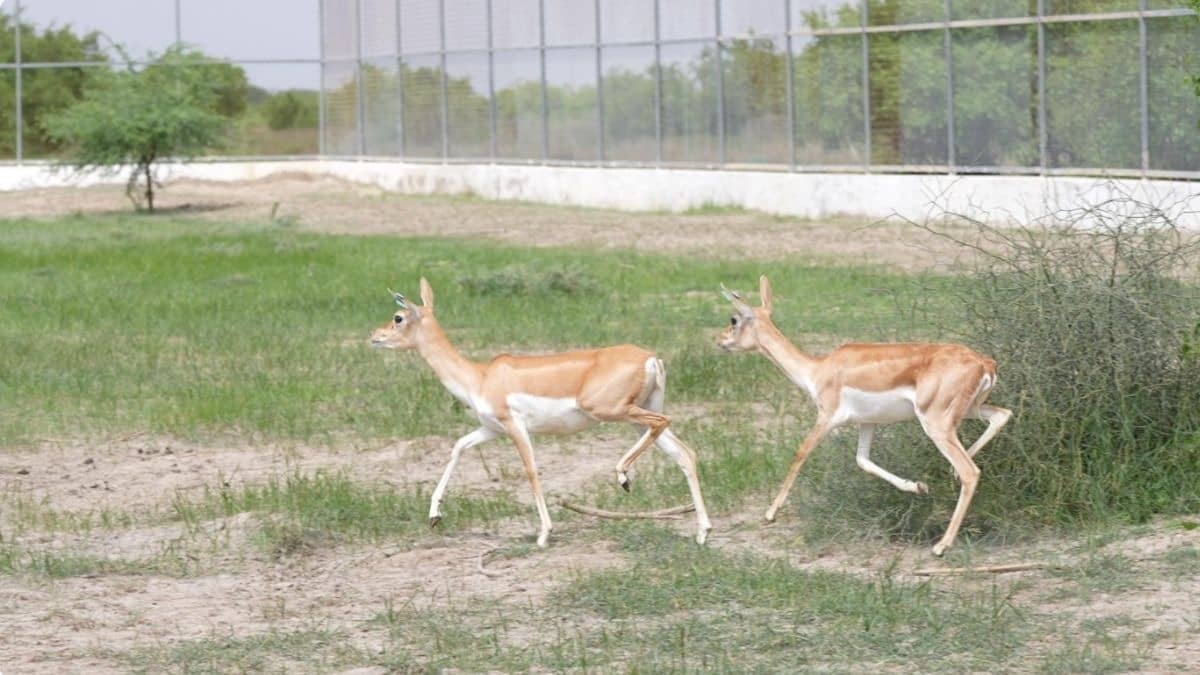
20 Blackbucks Rewilded in Banni Grassland to Restore Native Wildlife

Banni Grassland Revival Could Elevate Kutch’s Global Tourism Profile

Rewilding Banni Grassland Can Empower the Maldhari Community

Two Years After RG Kar Doctor's Rape-Murder, Case Remains Unresolved

ED widens Chhattisgarh probes with two arrests and searches

Delhi High Court Orders Madhya Pradesh to Pay Advocate Dues
Haryana sanitation workers’ strike puts BJP government under pressure

Orissa High Court Says Brothel Customers Cannot Face Trafficking Charges