

1 hr ago
World First Aid Day Highlights Essential Life-Saving Skills
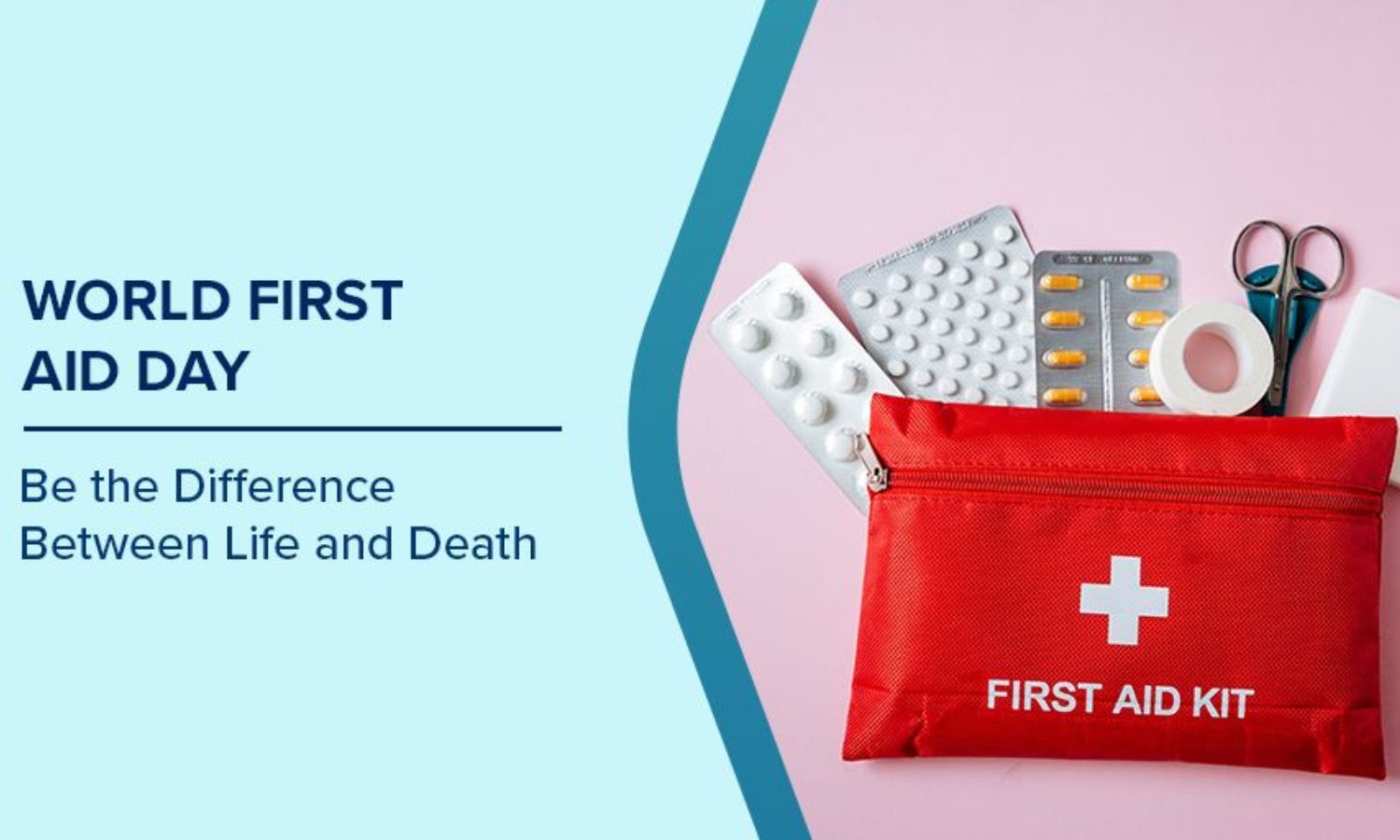
First aid is the help given to someone who is hurt or suddenly sick before medical professionals arrive.
World First Aid Day reminds people that anyone can learn these useful skills.
People may need first aid after accidents, fires, disasters, or sudden health problems.
Simple actions can help stop someone from getting worse.
First aid can include CPR, stopping bleeding, helping a choking person, and treating burns or broken bones.
It is also important to know when to call emergency services.
Schools, workplaces, families, and community groups can teach these skills.
Learning first aid can help communities stay calm and ready during emergencies.

World First Aid Day is observed on the Saturday of September.
First aid provides immediate assistance after accidents, sudden illness, or injuries before professionals arrive.
Basic skills include CPR, stopping bleeding, helping someone who is choking, and treating burns or fractures.
First-aid knowledge can be especially valuable during road accidents, fires, natural disasters, and heart attacks.
The International Federation of Red Cross and Red Crescent Societies says first aid should be available to everyone.
- Who
- The International Federation of Red Cross and Red Crescent Societies promotes making first aid available to everyone, while schools, workplaces, families, and community groups can provide training.
- What
- World First Aid Day highlights the importance of basic first-aid skills and emergency preparedness.
- Where
- The article discusses first aid in communities, including schools, workplaces, families, and community organizations.
- When
- It is observed on the Saturday of September; the article refers to the 2026 observance.
- Why
- The observance aims to help ordinary people act confidently when professional emergency help cannot arrive immediately.
Key facts
- Observance
- World First Aid Day
- Timing
- The Saturday of September
- Purpose
- Promote basic first-aid knowledge and community preparedness
- Core skills
- CPR, stopping bleeding, helping choking victims, and treating burns or fractures
- Relevant emergencies
- Road accidents, natural disasters, fires, heart attacks, and other sudden emergencies
- Promoting organization
- International Federation of Red Cross and Red Crescent Societies
- Training settings
- Schools, workplaces, community organizations, and families
Sources
Related news
Moving to Canada: Six Emergency Basics for Indian Families
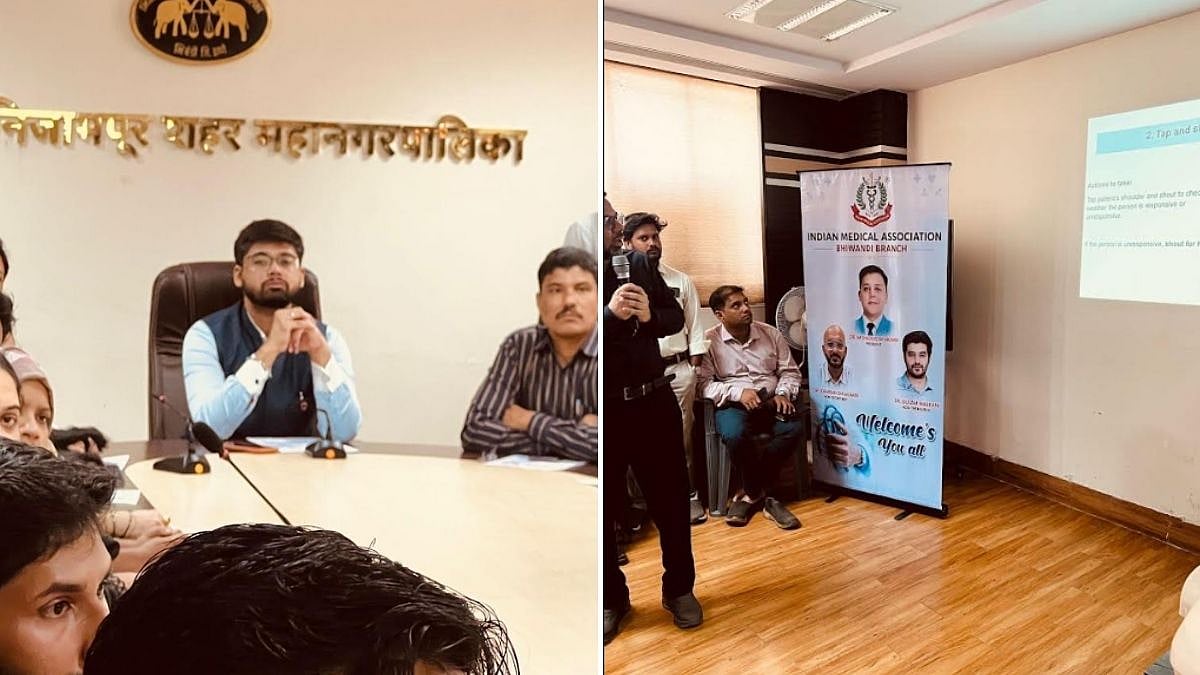
BNCMC Trains Civic Staff In CPR For Emergencies

Every Second Counts: Timely Emergency Care Saves Lives

TISS Student’s Cardiac Arrest Highlights Need for Campus Preparedness

KMC Hospital ambulance awareness rally traverses Mangaluru streets
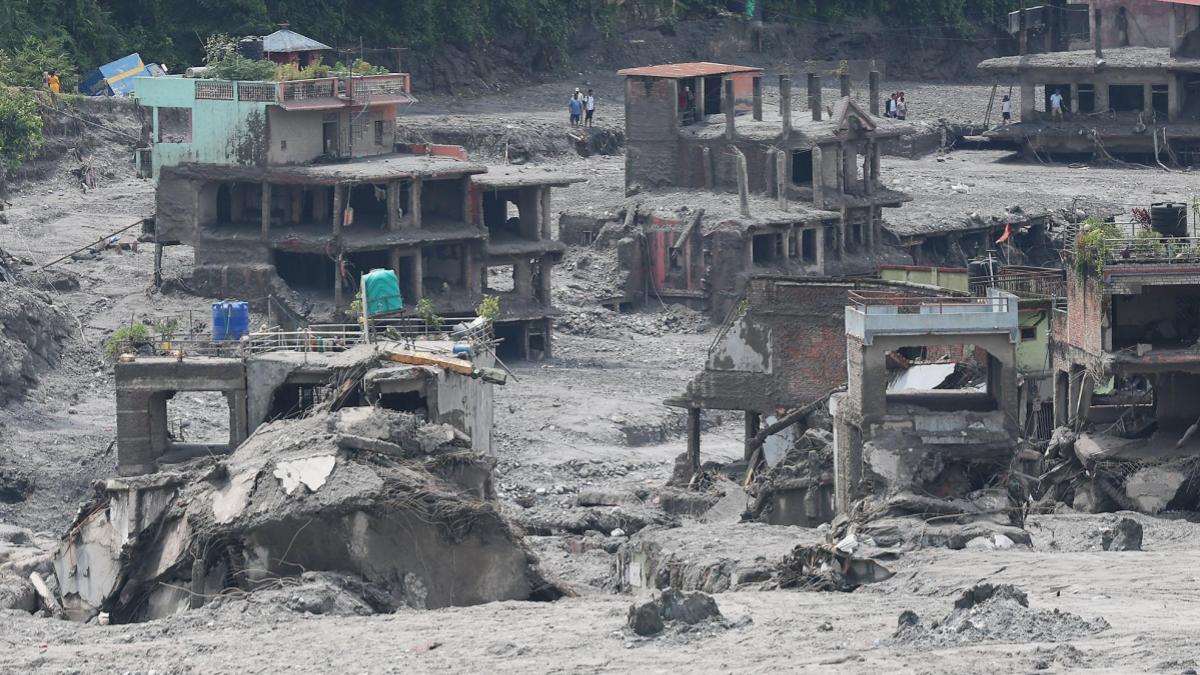
Nepal Floods Spur Global Aid as Death Toll Nears 800
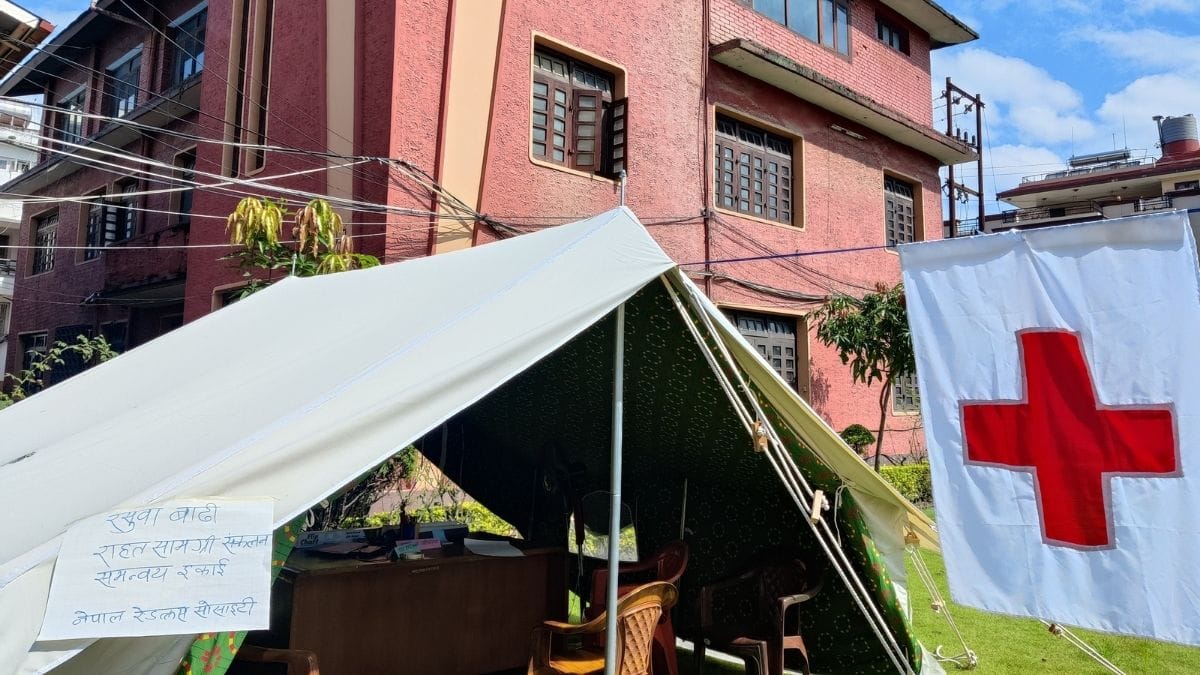
Nepal Red Cross Leads Relief After Devastating Flash Floods
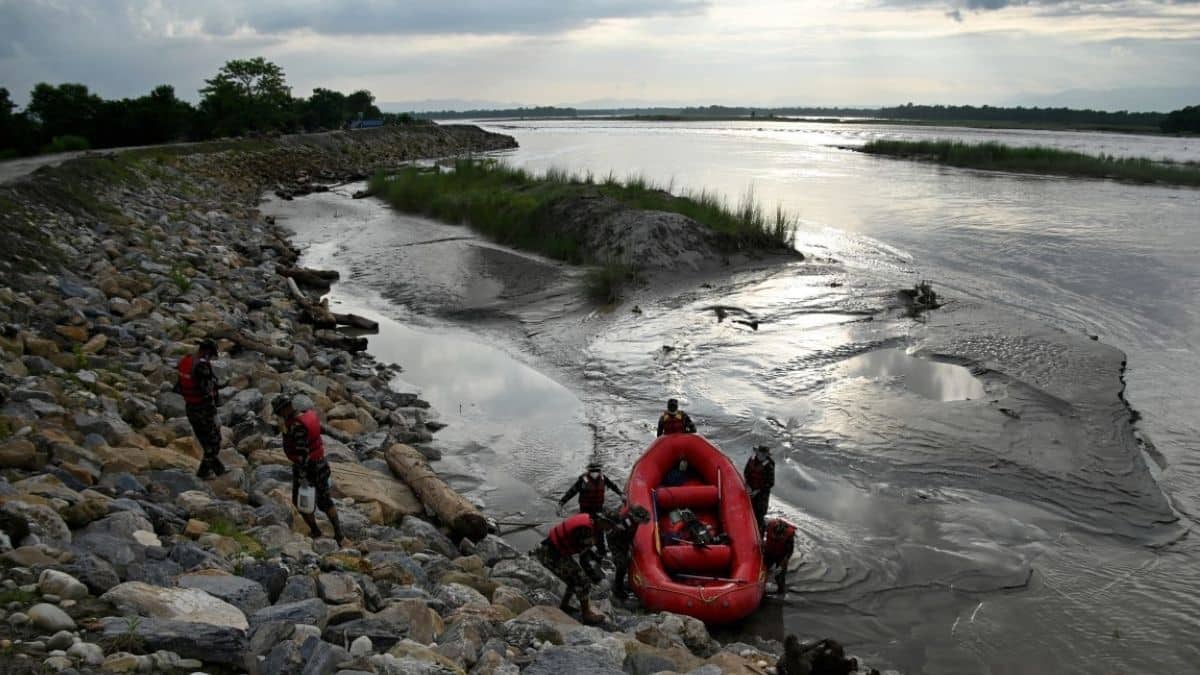
Nepal-China Glacier Collapse Leaves Hundreds Dead, Thousands Missing
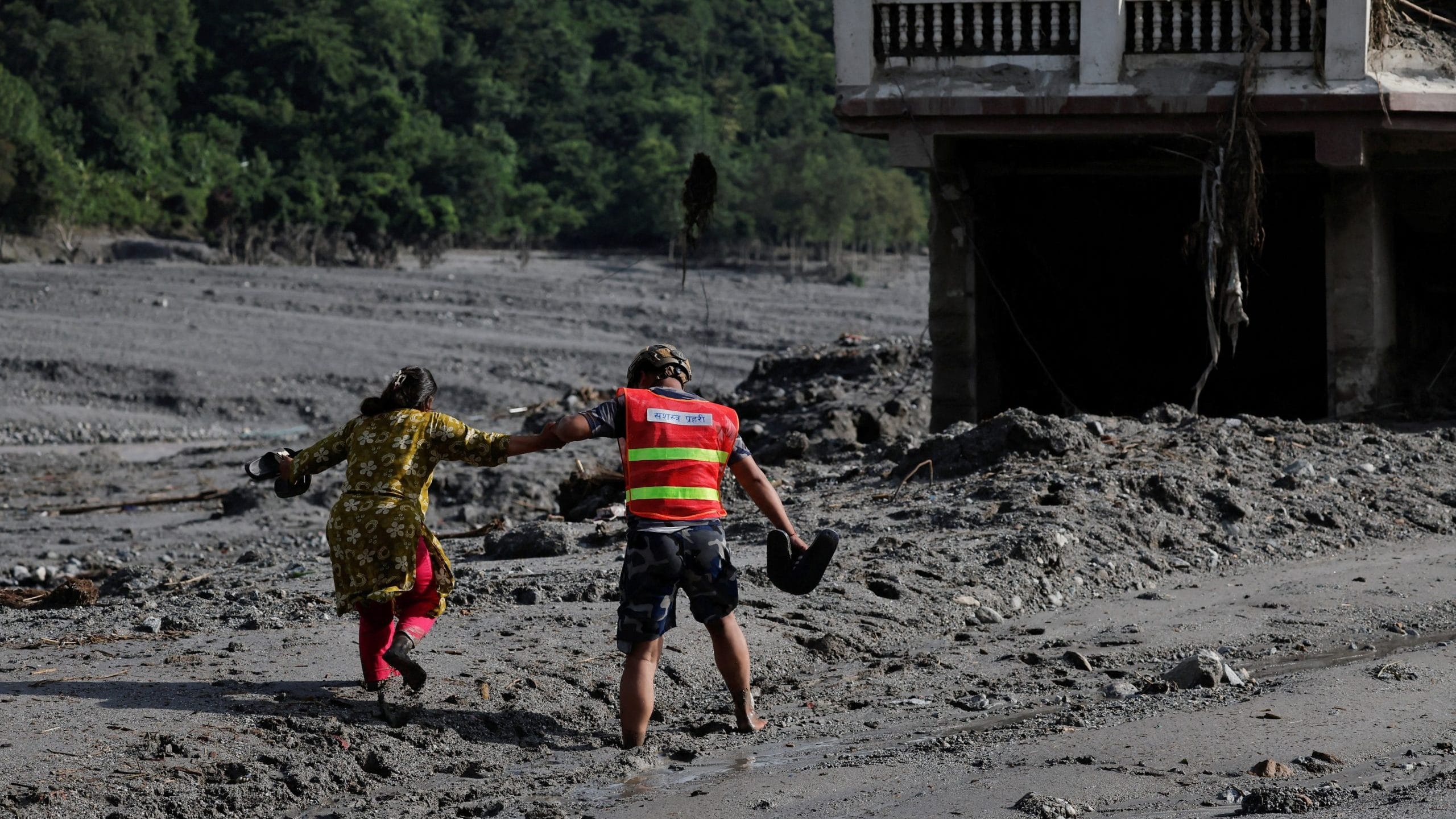
Nepal Flood Toll Rises as Rescue Teams Face More Flooding
