

3 weeks ago
Every Second Counts: Timely Emergency Care Saves Lives

When someone gets very sick or hurt very suddenly, that is called a medical emergency.
It can happen to anyone, at any time, without warning.
In these moments, every second matters because quick help can save a life.
The first hour after a bad injury or sudden illness is called the 'golden hour.'
During that hour, doctors work hard to keep the person breathing and stop any bleeding.
Ambulance workers can start helping even before the person reaches the hospital.
People nearby can help too, by calling for help or doing CPR if they have been trained.
Signs like chest pain, trouble breathing, weakness on one side, or not waking up mean it is time to call for help right away.
Fast treatment can stop long-term problems and help people recover well.
That is why acting quickly in an emergency is so important.

Timely emergency treatment is crucial for survival and reducing long-term complications after heart attacks, strokes, severe injuries, and other crises.
The 'golden hour' — the first hour after a serious injury or acute medical event — is critical for stabilizing patients.
People should seek immediate medical attention for sudden chest pain, severe breathlessness, one-sided weakness, speech difficulty, seizures, heavy bleeding, collapse, or loss of consciousness.
Ambulance services and trained emergency personnel provide early care during transport, including oxygen support, cardiac monitoring, and bleeding control.
Modern emergency departments feature advanced monitoring, rapid diagnostics, and imaging, with physicians coordinating care across cardiology, neurology, trauma, surgery, and critical care.
- Who
- People experiencing medical emergencies (heart attack, stroke, severe injury, breathing difficulty, uncontrolled bleeding) and the emergency physicians and specialists who treat them
- What
- The importance of timely emergency care, including rapid symptom recognition, transport, and early treatment based on the 'golden hour' concept
- Where
- Hyderabad (article dateline), covering ambulances, bystander response, and hospital emergency departments
- When
- No specific date given; the critical period is the first hour ('golden hour') after a serious injury or acute medical event
- Why
- Because every second counts — early treatment improves survival and reduces long-term complications
Key facts
- Focus City
- Hyderabad
- Critical Period
- First hour after injury or acute event ('golden hour')
- Warning Symptoms
- Chest pain, severe breathlessness, one-sided weakness, speech difficulty, seizures, heavy bleeding, collapse, loss of consciousness
- Key Conditions Covered
- Heart attack, stroke, severe injury, breathing difficulty, uncontrolled bleeding
- Pre-Hospital Care
- Oxygen support, cardiac monitoring, bleeding control, basic life support by ambulance teams
- Bystander Role
- Call for help without delay; trained individuals may provide CPR and basic first aid
- Hospital Capabilities
- Advanced monitoring, rapid diagnostics, imaging services, life-support equipment
- Specialist Coordination
- Cardiology, neurology, trauma care, surgery, critical care
- Things to Avoid
- Unnecessary movement of injured patients and giving food, water, or medication to unconscious persons
Sources
Related news

Poisoning Emergencies Demand Immediate Care to Improve Patient Survival
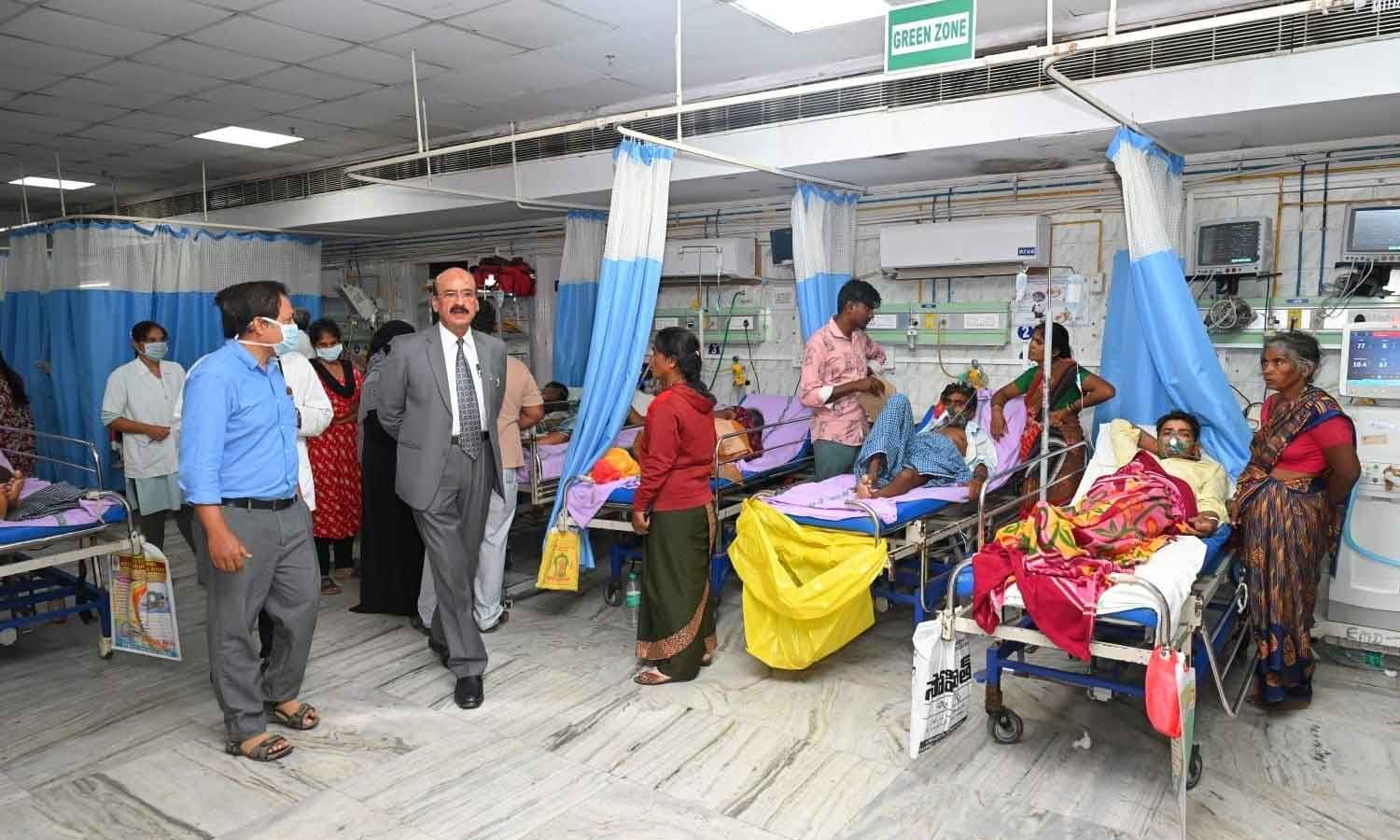
SVIMS Director Orders Faster, Patient-Centred Emergency Care Measures

KMC Hospital ambulance awareness rally traverses Mangaluru streets
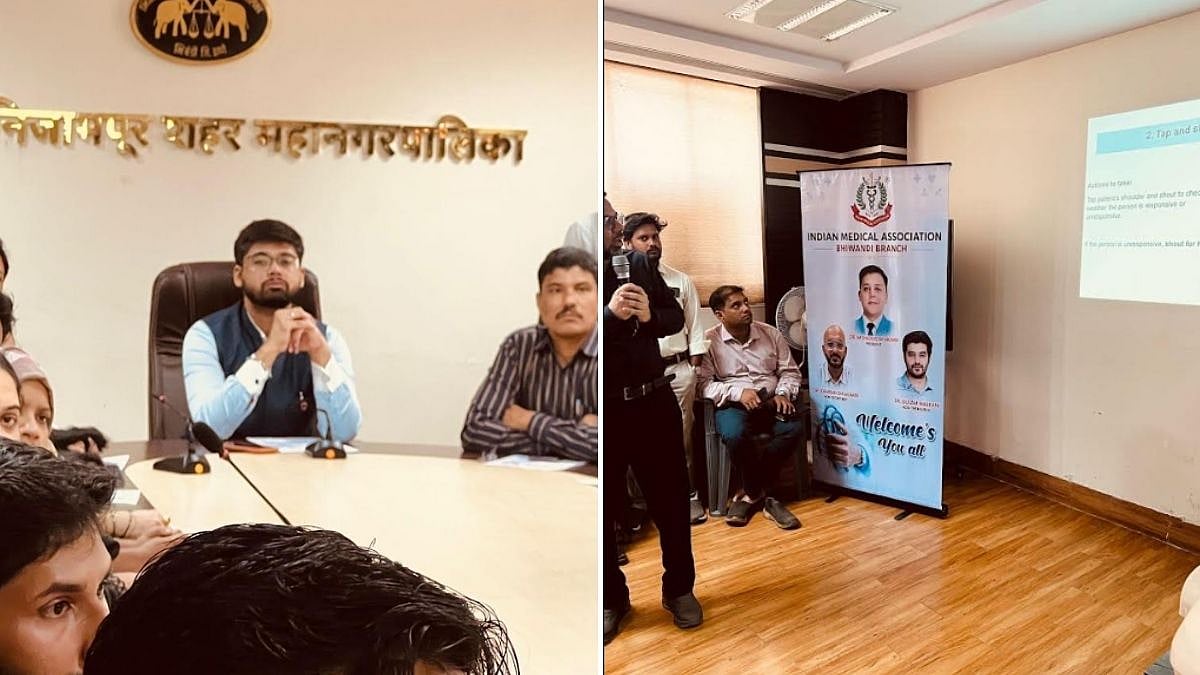
BNCMC Trains Civic Staff In CPR For Emergencies
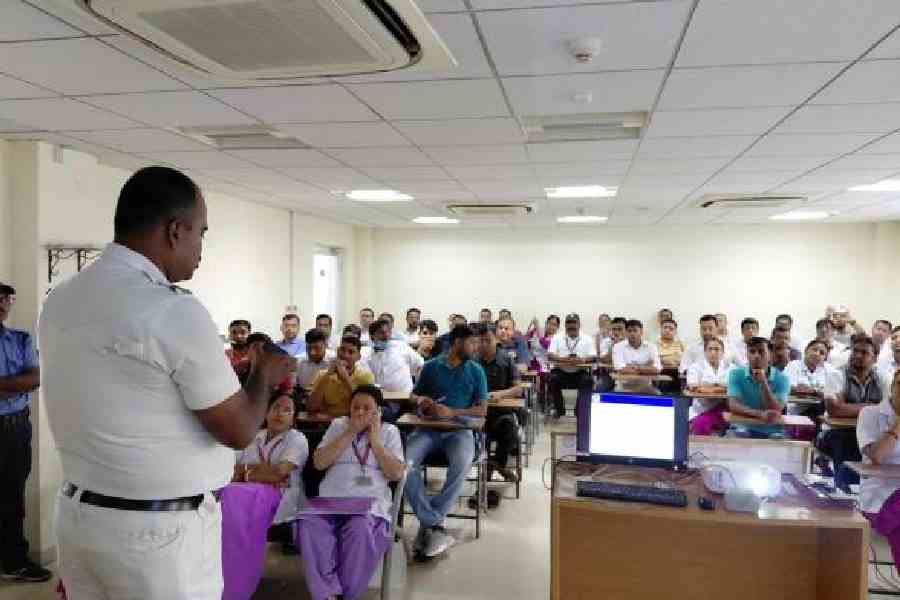
Traffic police hold road safety awareness session at ESI Hospital

TRS Demands Action Against Constable Over Abusive Kavitha Remarks

BRS Releases Chargesheet Against Telangana Government

Telangana High Court Suspends Corridor Land Acquisition Proceedings

Election Commission Likely To Extend Voter Notice Deadline

Sharma and Malik share halfway lead at Telangana Golconda Masters
