1 hr ago
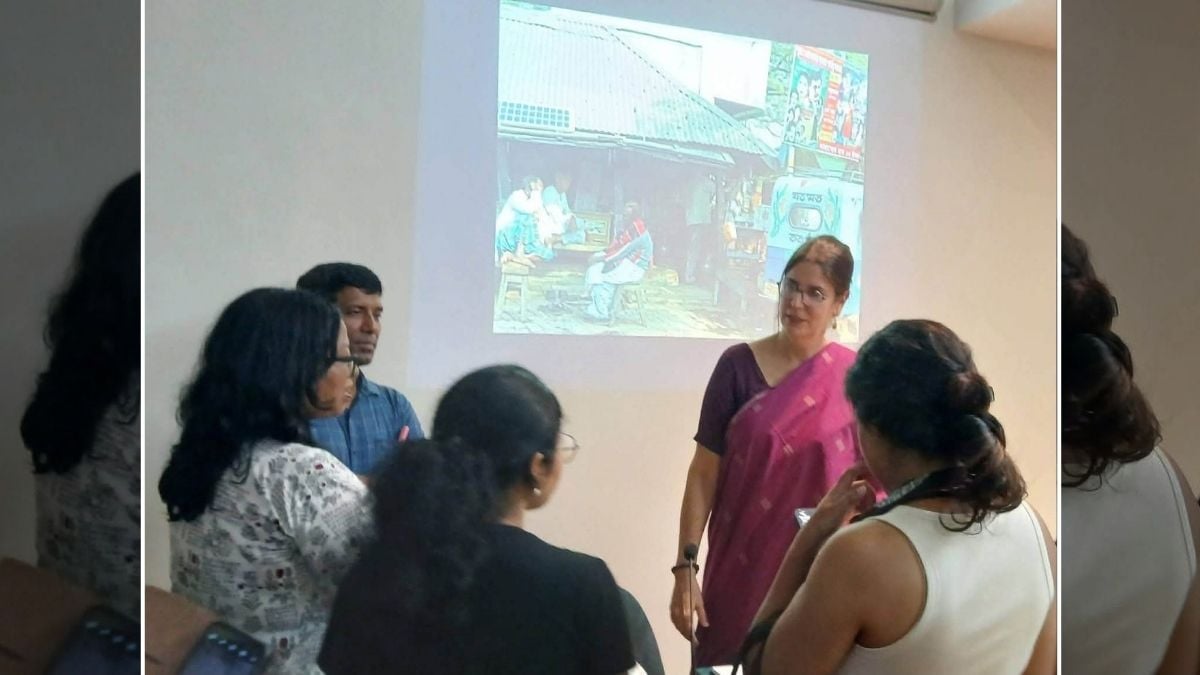
A Book Traces Climate Refugees’ Journey from Bangladesh to Kolkata
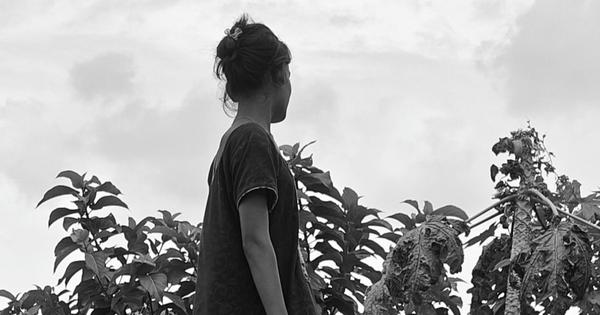
The book tells the story of Nur, a girl whose family moved from Bangladesh to India.
They left after powerful cyclones damaged villages in Bangladesh.
In Kolkata, they live in a crowded settlement in New Town.
The settlement is not shown properly on Google Maps.
Many families there work in difficult and uncertain jobs.
The area has puddles, mosquitoes, limited services and frequent rent problems.
New Town used to have farms, ponds and villages before many buildings were constructed.
Some people gained money from renting huts, while others lost their land and homes.
The story shows how climate disasters and city growth can force families into insecure lives.

The book follows Nur and her family after leaving cyclone-hit Bangladesh for Kolkata.
Nur lives in an unmapped New Town slum housing about 200 families.
The settlement expanded after Cyclones Sidr and Aila brought migrants from storm-ravaged villages.
New Town’s development replaced farmland, ponds, orchards and village commons with construction.
Residents face insecure housing, rent demands, poor services and suspicion of illegal migration.
- Who
- Nur, her family and other migrants from Bangladesh and storm-affected parts of West Bengal and Bihar.
- What
- A book follows the lives of climate refugees and migrant families living in an informal New Town settlement in Kolkata.
- Where
- The story moves from Bangladesh to Kolkata, particularly an informal settlement in New Town, West Bengal.
- When
- The migration followed Cyclones Sidr in 2007 and Aila in 2009; the settlement expanded from the mid-2000s onward.
- Why
- Families migrated after storms and village disruption, while urban development and lost farmland pushed people into informal housing.
Displaced Residents
Urban Development Interests
Land and redevelopment
Displaced Residents
Residents and earlier villagers lost fields, ponds and commons as land was reshaped for construction.
Urban Development Interests
New Town was promoted as a green, eco-friendly, self-sufficient and smart satellite township.
Migration and housing
Displaced Residents
Migrants from storm-affected areas found informal housing with insecure tenure, rent demands and limited emergency services.
Urban Development Interests
Landlords and intermediaries expanded hut settlements for construction workers and migrants, creating rental income and other business opportunities.
Belonging in the city
Displaced Residents
Nur faces suspicion and prolonged stares because people believe migrants may have entered India illegally.
Urban Development Interests
The formal city is represented by gated, electrified residential buildings and controlled access, separating residents from the settlement.
Key facts
- Book
- The Undocumented: One Family’s Journey from Bangladesh to India
- Author
- Nidhi Dugar Kundalia
- Publisher
- Penguin India
- Key character
- Nur, a young migrant living in the New Town settlement
- Settlement size
- About 200 families
- Major cyclones
- Sidr in 2007 and Aila in 2009
- Urban change
- New Town replaced farmland, ponds, orchards and villages with high-rises, factories, offices and malls
Quotes
Madhu madam
A landlord’s intermediary who delivers rent demands and eviction-related messages
“Please pay the rent for this month. Otherwise, I will have to call Master.”
 scroll.in
“Ami ki tomader machher moto dekhaichi [Do I look like a fish to you]?”
scroll.in
Sources
Related news
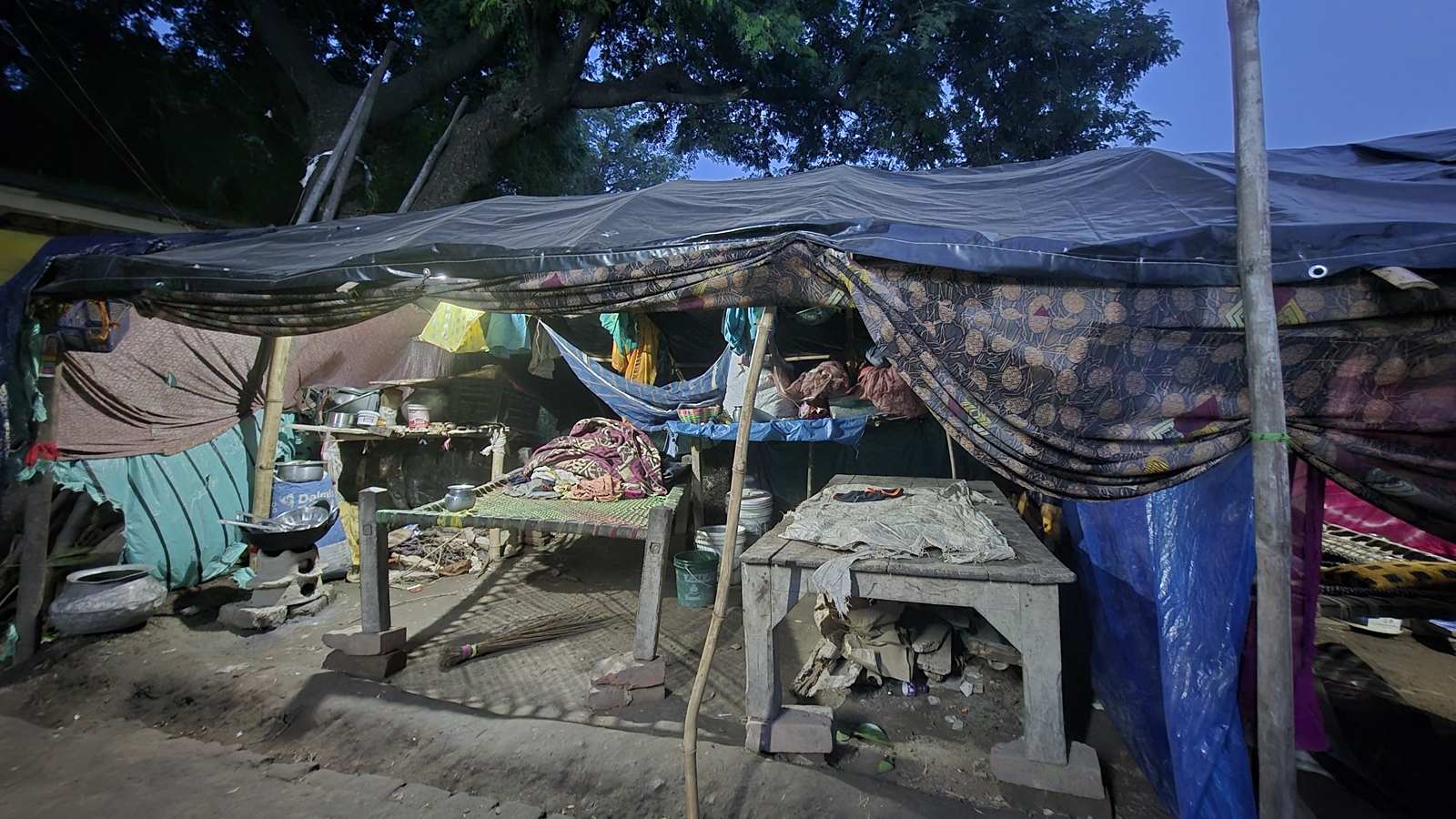
Bihar Flood Survivors Face Loss, Displacement and Uncertain Recovery

Rohingya Families Dismantle Jammu Settlements After Eviction Notices
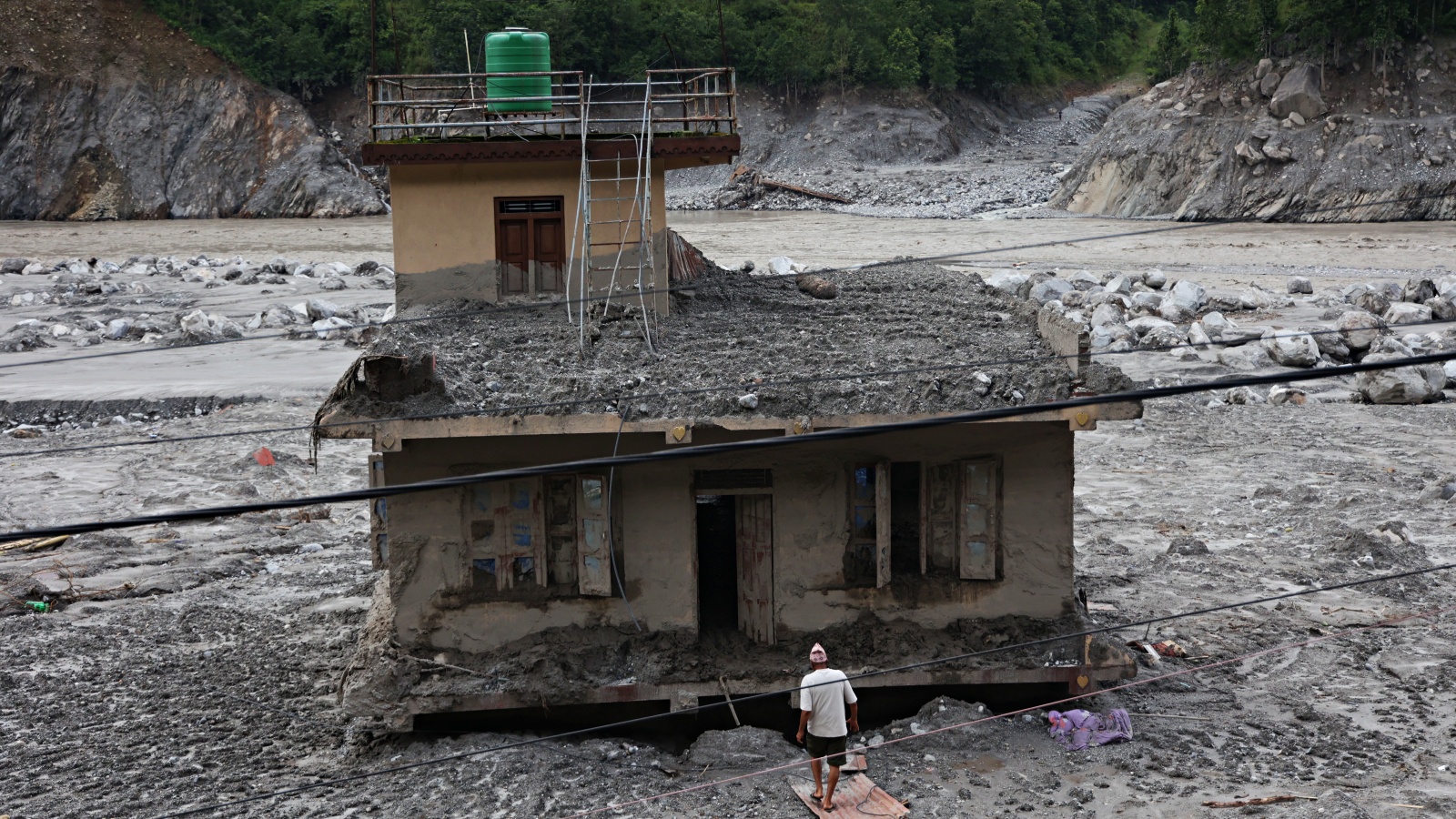
Flash Flood Buries Nepal Hamlet, Destroying Homes and Farmland
Mae Salong Tea Pilgrimage Reconnects Memory, History, and Environmental Costs

A Kolkata Grandmother’s Whisky Ritual and Women’s Fierce Bonds

Assam Flood Traps Dairy Family as Villages Disappear

India Targets More Medals on Asian Games Day 2
How R.N. Kao Built India’s External Intelligence Agency
Mumbai Deports 1,066 Bangladeshi Nationals In Eight Months
Smriti Mandhana becomes leading T20I run-scorer across cricket