1 hr ago
How R.N. Kao Built India’s External Intelligence Agency
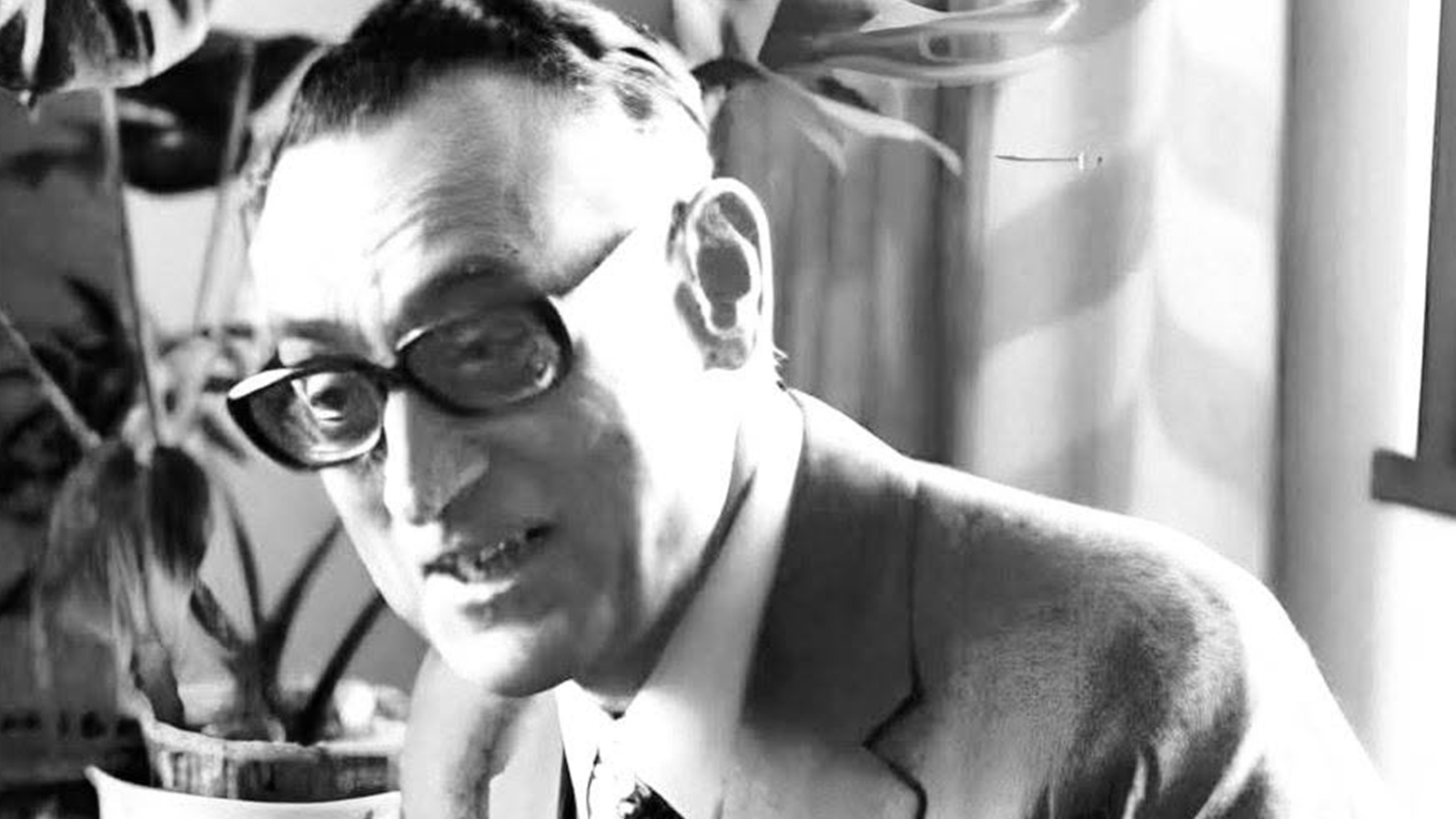
Rameshwar Nath Kao created India’s external intelligence agency, called R&AW, in 1968.
The agency collected information about other countries and helped protect India.
Before the 1971 war, it warned India that Pakistan might attack Indian air bases.
R&AW also supported Bengali resistance groups in East Pakistan.
These efforts helped prepare India for the war that led to Bangladesh’s creation.
Kao was known for being quiet, careful and demanding.
Some people later questioned whether R&AW had done enough before Sheikh Mujibur Rahman was assassinated in 1975.
Kao’s supporters said he had warned Mujibur about a possible conspiracy.
He retired from government work after serving again as a senior adviser.

Rameshwar Nath Kao founded and shaped the Research and Analysis Wing after its creation in 1968.
The agency warned India about Pakistan’s planned December 3, 1971, air strikes and supported operations in East Pakistan.
Kao recruited specialists, demanded precise reporting and built capabilities focused on Pakistan, China and covert action.
He later faced questions over R&AW’s role during the Emergency and the 1975 assassination of Sheikh Mujibur Rahman.
Kao retired in 1977, returned as a senior government adviser in 1981 and left public service after Indira Gandhi’s assassination.
- Who
- Rameshwar Nath Kao, India’s first Research and Analysis Wing chief, along with officers including K Sankaran Nair.
- What
- Kao built India’s dedicated external intelligence agency and directed its early intelligence and covert capabilities.
- Where
- The agency operated from India and gathered intelligence concerning Pakistan, China and East Pakistan.
- When
- R&AW was established in 1968; its major early test came during the 1971 war, and Kao left formal government service after 1984.
- Why
- India created a separate external intelligence organisation after the 1965 war to improve intelligence collection and covert operations abroad.
Critics’ view
Defenders’ view
R&AW during the Emergency
Critics’ view
Opposition figures accused R&AW of serving the government during the Emergency.
Defenders’ view
V Balachandran said the allegations were mistaken, arguing that the Intelligence Bureau handled arrests and that Kao tried to keep R&AW away from domestic political activity.
Warning before Mujibur’s assassination
Critics’ view
Questions were raised about whether R&AW had been caught unprepared before Sheikh Mujibur Rahman was assassinated in 1975.
Defenders’ view
Balachandran said Kao had warned Mujibur in person about a brewing conspiracy, but Mujibur did not take the warning seriously.
Key facts
- Agency established
- 1968
- First chief
- Rameshwar Nath Kao
- Major early operation
- Intelligence and covert support connected to the 1971 Bangladesh war
- Air-strike warning
- A source warned of Pakistan’s planned attack on Indian air bases in the western sector in late November 1971.
- Kao’s retirement
- He retired prematurely in 1977 after the Janata government took office.
- Return to government
- He became Senior Adviser in the Cabinet Secretariat in 1981.
- End of formal service
- He left after Indira Gandhi’s assassination in October 1984.
Quotes

V Balachandran
Former R&AW officer who worked with Kao
“People see then Army chief Sam Maneckshaw and BSF chief Rustam Ji in context of the Bangladesh war. But it was Kao who had laid all the groundwork for their achievements to follow. Kao never wanted to be talked about. He believed intelligence work had to be done quietly.”
 indianexpress.com
“In 1975, Mr Kao went incognito to Bangladesh and informed Mujibur that a conspiracy was brewing. But Mujibur did not take it seriously.”
indianexpress.com
Sources
Related news
Ajit Doval Recalls Sikkim Intelligence Team’s Chinese Detention

Former CDS Details Operation Sindoor Ceasefire and Pakistan Gaps

Retired Air Marshal Jeetendra Mishra Named Ram Mandir Trust CEO
Directors Reveal How Declassified: Operation Sindoor Came Together

Former RAW Chief AS Dulat Debuts With Kashmir Espionage Novel
Operation Safed Sagar Makes Forces Feel Seen
Mumbai Deports 1,066 Bangladeshi Nationals In Eight Months
Smriti Mandhana becomes leading T20I run-scorer across cricket
Kolkata Event Examines Bangladesh’s Marginalized Bihari Muslims

Shafali Verma Makes History With Asian Games Century