2 hrs ago
‘Hair Vaccine’ Remains Experimental as Researchers Study Immune-Driven Regeneration
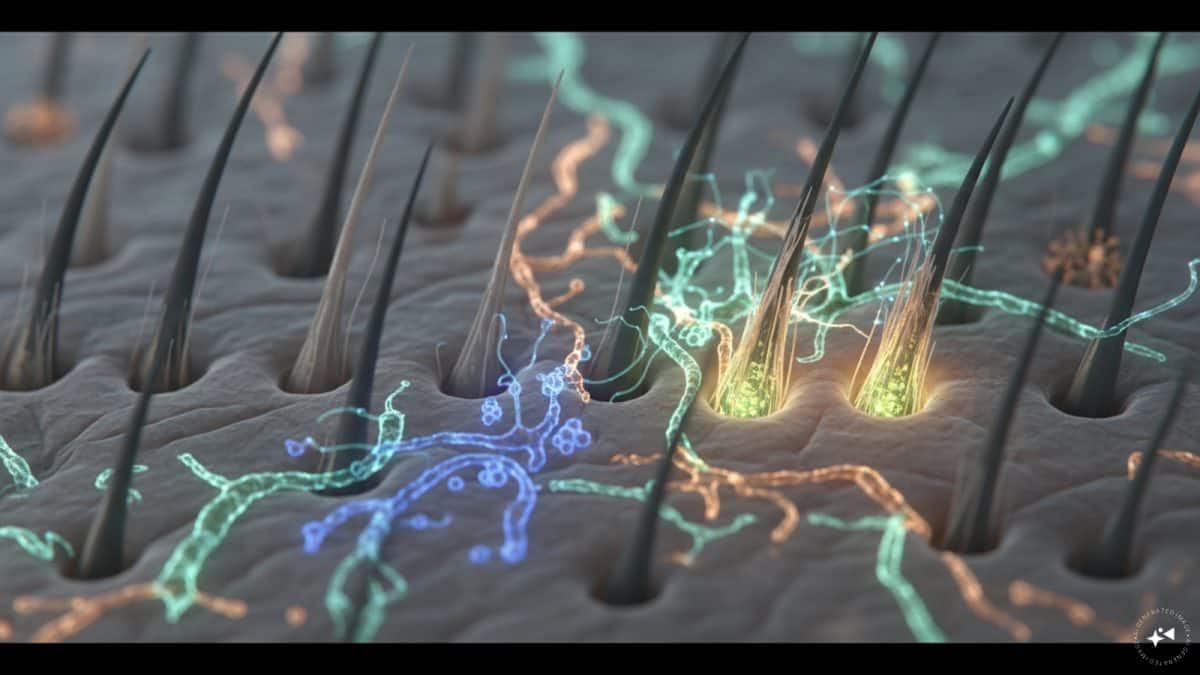
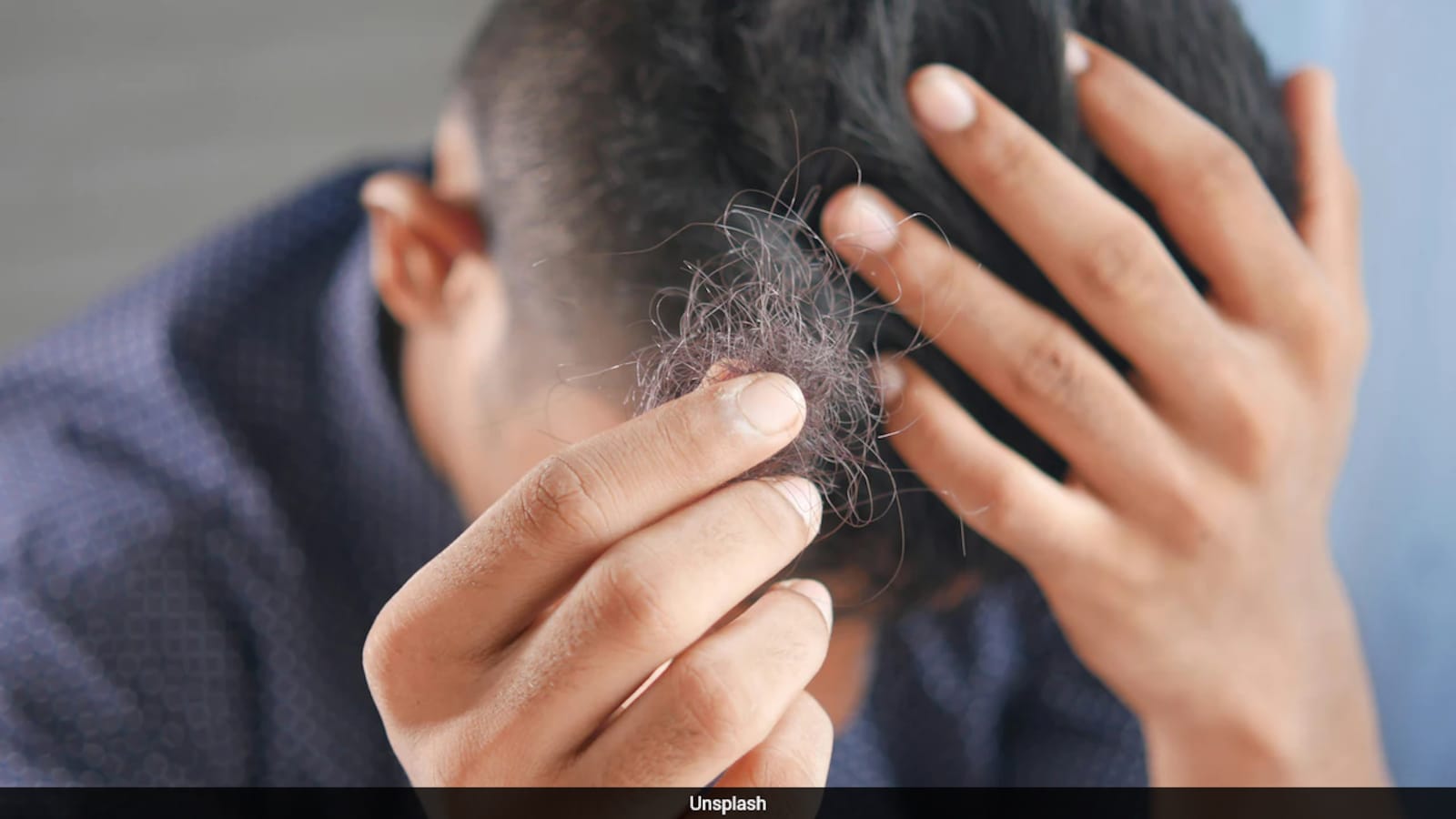
Scientists are studying how the immune system affects hair follicles.
Hair follicles are the small structures in skin that grow hair.
Sometimes, immune-system problems may cause inflammation around them and contribute to hair loss.
Researchers are asking whether changing this environment could help follicles work better.
They use the phrase “hair vaccine,” but there is no real vaccine for baldness today.
Possible future treatments include medicines, gene-based methods and tiny biological particles called exosomes.
These ideas are especially being explored for alopecia areata, a condition linked to immune problems.
The treatments are still being researched and must be shown to be safe and effective.

A recent review examines whether regulating the immune environment around hair follicles could support hair regeneration.
The proposed “hair vaccine” is not a conventional vaccine and cannot currently prevent baldness or restore hair.
Potential approaches include immune-modulating medicines, peptides, mRNA therapies, gene therapies, exosomes and advanced drug delivery.
The JAK-STAT pathway may be especially relevant to alopecia areata, where immune dysfunction affects hair follicles.
Researchers say major challenges include safety, identifying follicular targets and proving sustained benefits in clinical studies.
- Who
- Researchers studying hair follicles, the immune system and regenerative medicine, with comments from Dr Debraj Shome.
- What
- A review explores whether immune regulation and regenerative techniques could support hair-follicle regeneration, sometimes described as a “hair vaccine.”
- Where
- In the European Journal of Pharmacology and in ongoing hair-loss research.
- When
- The review was recently published; the articles do not provide a specific publication date.
- Why
- Researchers want to restore immune balance around hair follicles and support hair growth in conditions where immune dysfunction contributes to hair loss.
Key facts
- Current status
- No clinically validated “hair vaccine” exists.
- Meaning of the term
- It refers to regulating the immune environment around hair follicles, not a conventional preventive vaccine.
- Key condition
- Alopecia areata is highlighted because immune dysfunction affects hair follicles.
- Research areas
- Immune-modulating medicines, biomimetic peptides, mRNA approaches, gene therapies, delivery systems and exosomes.
- Signalling pathway
- The JAK-STAT pathway is among those being studied.
- Main challenges
- Researchers must identify suitable follicular targets, manage immune-system safety risks and demonstrate lasting clinical benefits.
Quotes
Dr Debraj Shome
Clinician Scientist and Research Mentor at QR678
“The idea, therefore, is not that we can vaccinate ourselves against hair loss today. It is about understanding the immune–hair connection better and finding safer, more precise ways to support the hair follicle.”
 firstpost.com
“When we think about hair loss, we usually think about genetics, hormones, ageing or stress. But there is another part of the story that is gaining attention: the immune system”
firstpost.com
Sources
Related news
Arthritis Drug Shows Promise Restoring Hair in Severe Alopecia

Hair Spas Improve Hair Quality, Not Underlying Hair Fall
Hair Loss Drug Boom Sends Biotech Stocks Toward Next Ozempic

Personalized mRNA Vaccine Shows Promise Against Melanoma Recurrence

Cancer Vaccine Trial Raises Hopes for Treatment Beyond Melanoma