1 hr ago
Arthritis Drug Shows Promise Restoring Hair in Severe Alopecia
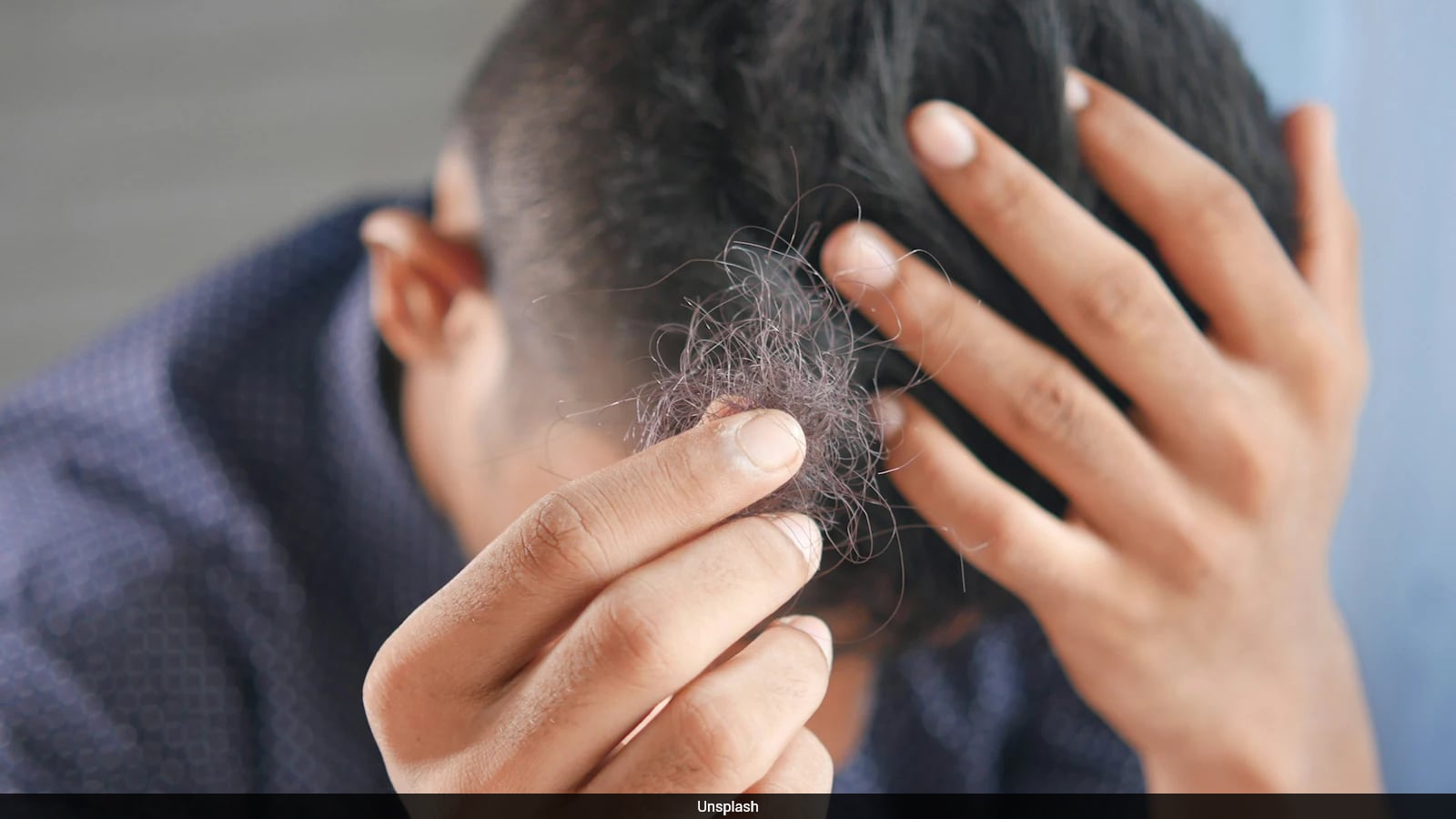
Alopecia areata is a condition in which the body attacks the roots of a person’s hair.
This can cause large amounts of hair to fall out.
Researchers tested a medicine called upadacitinib, which is already used for some kinds of arthritis.
The study included 1,399 people, including teenagers, who had lost at least half of their scalp hair.
After 24 weeks, many more people taking the medicine grew back much of their hair than people taking a placebo.
The stronger dose worked better in the trials.
Some people even regained all of their scalp hair.
The medicine may calm the immune signals that attack hair roots.
However, the study was short, and researchers still need to learn about long-term safety and effectiveness.

Two Phase 3 trials tested daily upadacitinib in 1,399 people aged 12 to 64 with severe alopecia areata.
After 24 weeks, 44.6% to 55% of patients taking upadacitinib reached at least 80% scalp-hair coverage.
Only 1.5% and 3.4% of placebo recipients reached the same hair-regrowth target.
Between 13% and 22.5% of patients taking upadacitinib regained all scalp hair, depending on dose and trial.
Researchers reported encouraging short-term safety results but said longer studies and comparisons with existing treatments are still needed.
- Who
- Researchers studied 1,399 people aged 12 to 64 with severe alopecia areata, including 118 teenagers.
- What
- Two Phase 3 trials tested whether upadacitinib could restore scalp hair compared with a placebo.
- Where
- The articles do not specify where the trials took place; the findings were published in JAMA Dermatology.
- When
- Participants took daily tablets for 24 weeks, with differences from placebo appearing around eight weeks.
- Why
- Researchers sought a treatment for severe alopecia areata because existing options do not work for everyone and choices are limited for some patients.
Evidence of Promise
Reasons for Caution
Hair regrowth
Evidence of Promise
Upadacitinib produced substantially more hair regrowth than placebo, with up to 55% of patients reaching at least 80% scalp-hair coverage.
Reasons for Caution
The trials lasted only 24 weeks, so it is not yet known whether the hair regrowth will last over the long term.
Treatment value
Evidence of Promise
Researchers said the speed and extent of regrowth, along with reported quality-of-life improvements, make upadacitinib a promising option.
Reasons for Caution
Further research is needed to compare upadacitinib with existing alopecia treatments as well as with placebo.
Reliability and safety
Evidence of Promise
The study was independently peer-reviewed, and serious short-term side effects occurred in only a small proportion of participants.
Reasons for Caution
AbbVie funded and co-designed the trials, some researchers work for the company, and long-term safety remains uncertain.
Key facts
- Drug tested
- Upadacitinib, an anti-inflammatory medicine used to treat certain types of arthritis.
- Participants
- 1,399 people aged 12 to 64, including 118 teenagers.
- Eligibility
- Every participant had lost at least half of their scalp hair.
- Treatment period
- Daily tablets for 24 weeks.
- Hair-regrowth target
- A SALT score of 20 or less, representing at least 80% scalp-hair coverage.
- Target achieved with drug
- 44.6% to 55% of patients taking upadacitinib, depending on dose and trial.
- Target achieved with placebo
- 1.5% and 3.4% of placebo recipients in the two trials.
- Study limitation
- The trials lasted only 24 weeks and were funded and co-designed by AbbVie, the drug’s manufacturer.
Sources
Related news

Weekly HIV Pill Matches Daily Treatment in Phase 3 Trial
Hair Loss Drug Boom Sends Biotech Stocks Toward Next Ozempic

Study Links Ozempic-Like Drugs to Increased Hair Loss Risk
Study Links Weight Loss Drugs To Genetic Hair Loss Risk

New Oral GLP-1 Pill Helps Adults Lose 12.1% Weight