

6 days ago
Supreme Court’s industry ruling settles old test, leaves Code questions
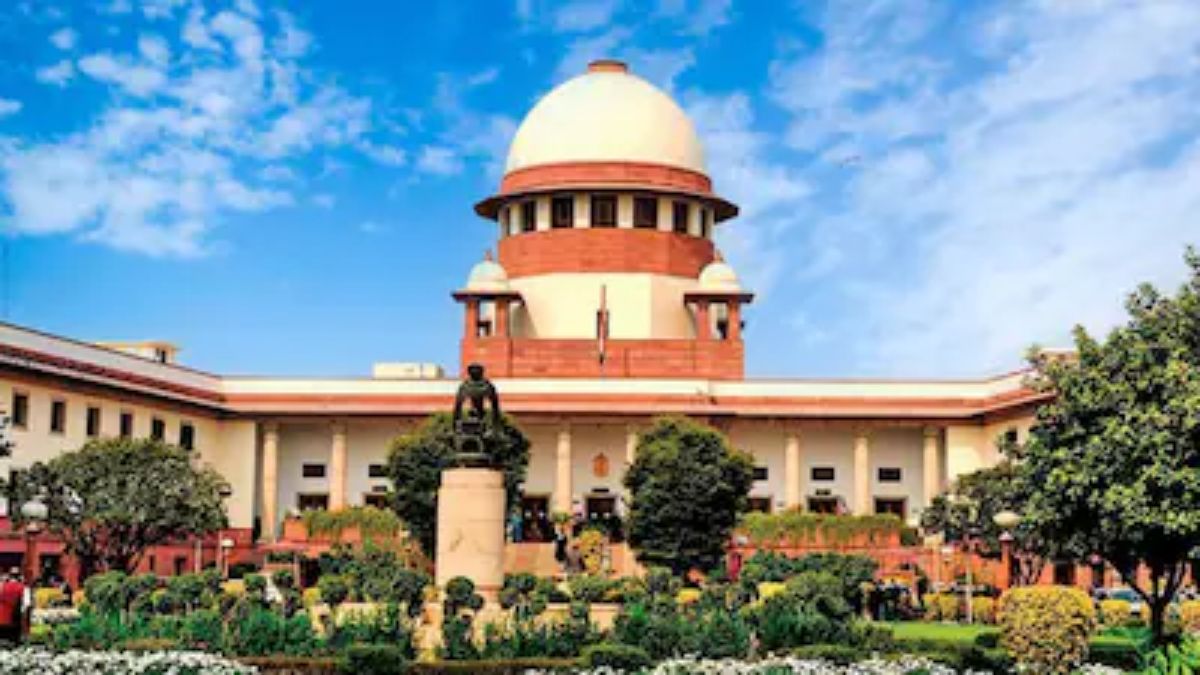
The Supreme Court was asked to decide what kinds of activities count as an “industry.”
In 1978, the Court created a three-part test for answering that question.
The test looks for organized work, cooperation between employers and workers, and goods or services that meet people’s needs.
A nine-judge bench considered whether this test should be changed.
Four judges wanted to add a requirement that the activity have a clear commercial character.
The judges did not agree on that change, so the old test remains in place for disputes under the previous law.
Decisions that are still pending will use the old test, and finished cases will not be reopened.
A newer law, the Industrial Relations Code, includes much of the old test but lists several exclusions.
Courts still need to explain how that newer definition should work.

The Supreme Court’s nine-judge bench upheld the 1978 Bangalore Water Supply triple test for disputes under the old Industrial Disputes Act.
By 6:3, the judges held that the reference challenging the earlier ruling was valid, although three judges disagreed.
Four judges proposed adding a “discernible commercial character” requirement, but no majority supported changing the existing test.
Pending disputes under the old Act will use the 1978 test, while concluded judgments, awards and settlements will remain closed.
The Industrial Relations Code retains the triple test but adds exclusions, leaving its definition of “industry” open to future interpretation.
- Who
- A nine-judge bench of the Supreme Court, including Chief Justice Surya Kant and eight other judges, decided the reference concerning the meaning of “industry.”
- What
- The Court held that the 1978 three-part industry test remains applicable to pending disputes under the old Industrial Disputes Act, while leaving the newer Industrial Relations Code’s definition unresolved.
- Where
- The Supreme Court of India.
- When
- The ruling was issued the week before the article was published; the case history included references in 2002, 2005 and 2017, and questions framed in February 2026.
- Why
- The bench was asked to reconsider the 1978 interpretation of “industry,” including its application to government welfare activities, sovereign functions and the effects of later legislation.
Retain the 1978 test
Add a commercial-character requirement
Meaning of industry
Retain the 1978 test
The existing three-part test should continue to govern, as supported by the judges who declined to change it.
Add a commercial-character requirement
Goods or services should also have a “discernible commercial character,” as proposed by the Chief Justice and three other judges.
Government welfare activities
Retain the 1978 test
Activities such as a free government hospital could qualify as an industry if they satisfy the existing test, regardless of profit motive.
Add a commercial-character requirement
Government welfare activities would also need to be assessed for commercial character, potentially producing a different result for free hospitals and welfare schemes.
Interpretation of the new Code
Retain the 1978 test
The specific exclusions in the Industrial Relations Code may represent Parliament’s chosen method of narrowing the definition.
Add a commercial-character requirement
The commercial-character reasoning could support adding a further limitation, although the article notes that no settled rule yet exists under the Code.
Key facts
- 1978 ruling
- Bangalore Water Supply & Sewerage Board v. A. Rajappa established the three-part test for “industry.”
- Triple test
- The activity must be systematic, involve employer-worker cooperation, and produce or distribute goods or services satisfying human wants.
- Vote on reference
- The reference was held valid by 6:3; Justices B.V. Nagarathna, Dipankar Datta and Ujjal Bhuyan disagreed.
- Proposed change
- Four judges proposed adding a “discernible commercial character” requirement.
- Old-law disputes
- Pending disputes under the Industrial Disputes Act will continue to use the 1978 test.
- Concluded matters
- The four-judge opinion expressly protected concluded judgments, awards and settlements from reopening.
- New-code exclusions
- The Industrial Relations Code excludes certain charitable or philanthropic institutions, sovereign government functions, domestic service and activities excluded by government notification.
Sources
Related news
Supreme Court Splits Over ‘Industry’ Definition Under Labour Law

Supreme Court Narrows 1978 Industry Definition Under New Labour Code

Supreme Court Limits 1978 Industry Ruling Under 2020 Code

Supreme Court To Rule On ‘Industry’ Definition Today
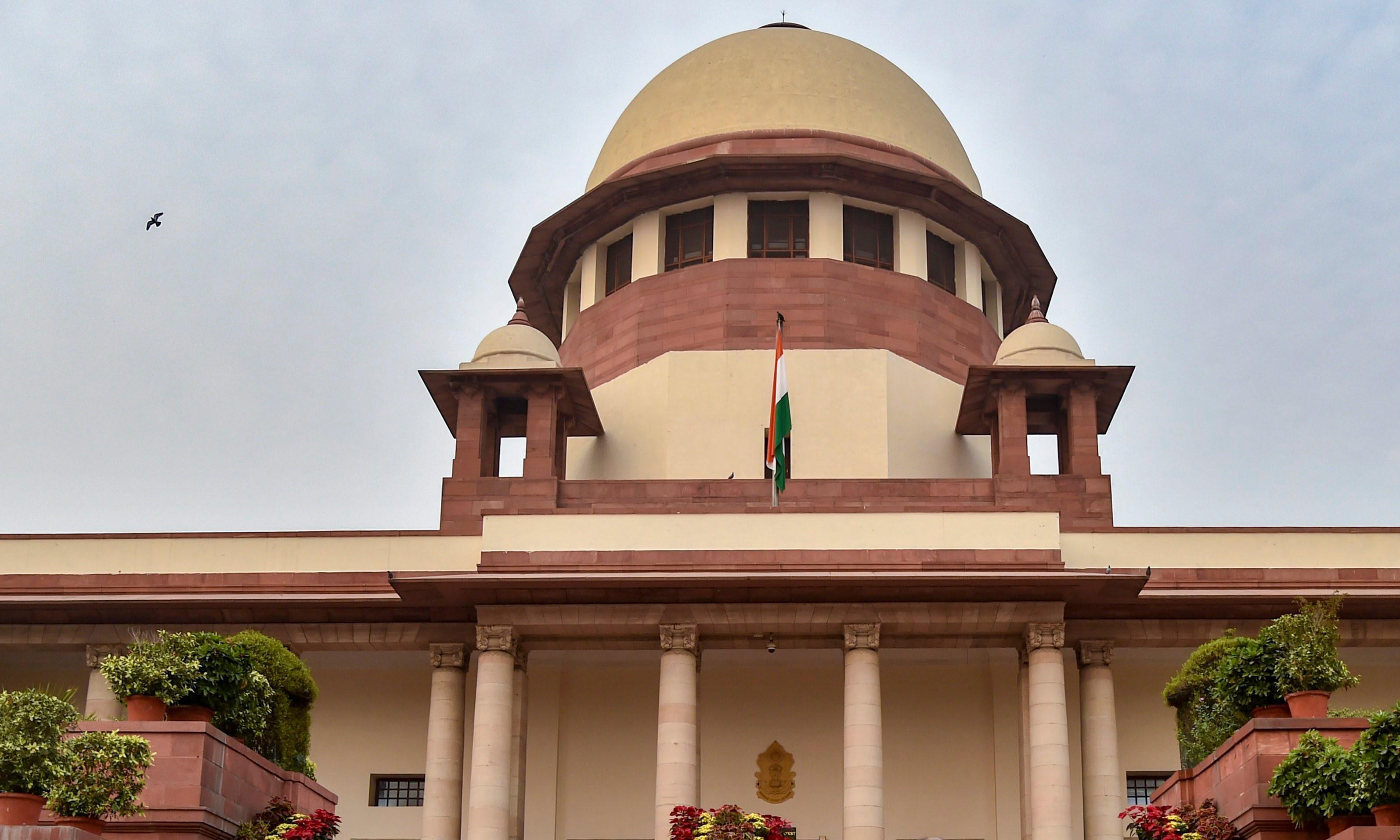
Supreme Court Keeps 1978 Industry Definition Unchanged for Pending Cases
Supreme Court to Decide Scope of India’s Industry Definition
Supreme Court Seeks Replies Over MP Medical Scholarship Dispute

Supreme Court Collegium Recommends New Rajasthan High Court Chief Justice

Indian Judges Back Student Dissent to Strengthen Democracy

Supreme Court Judge Urges Bar to Address Legal Delays
Justice Nagarathna Urges Bar Councils to Rebuild Professional Trust
