1 week ago
Supreme Court to Decide Scope of India’s Industry Definition
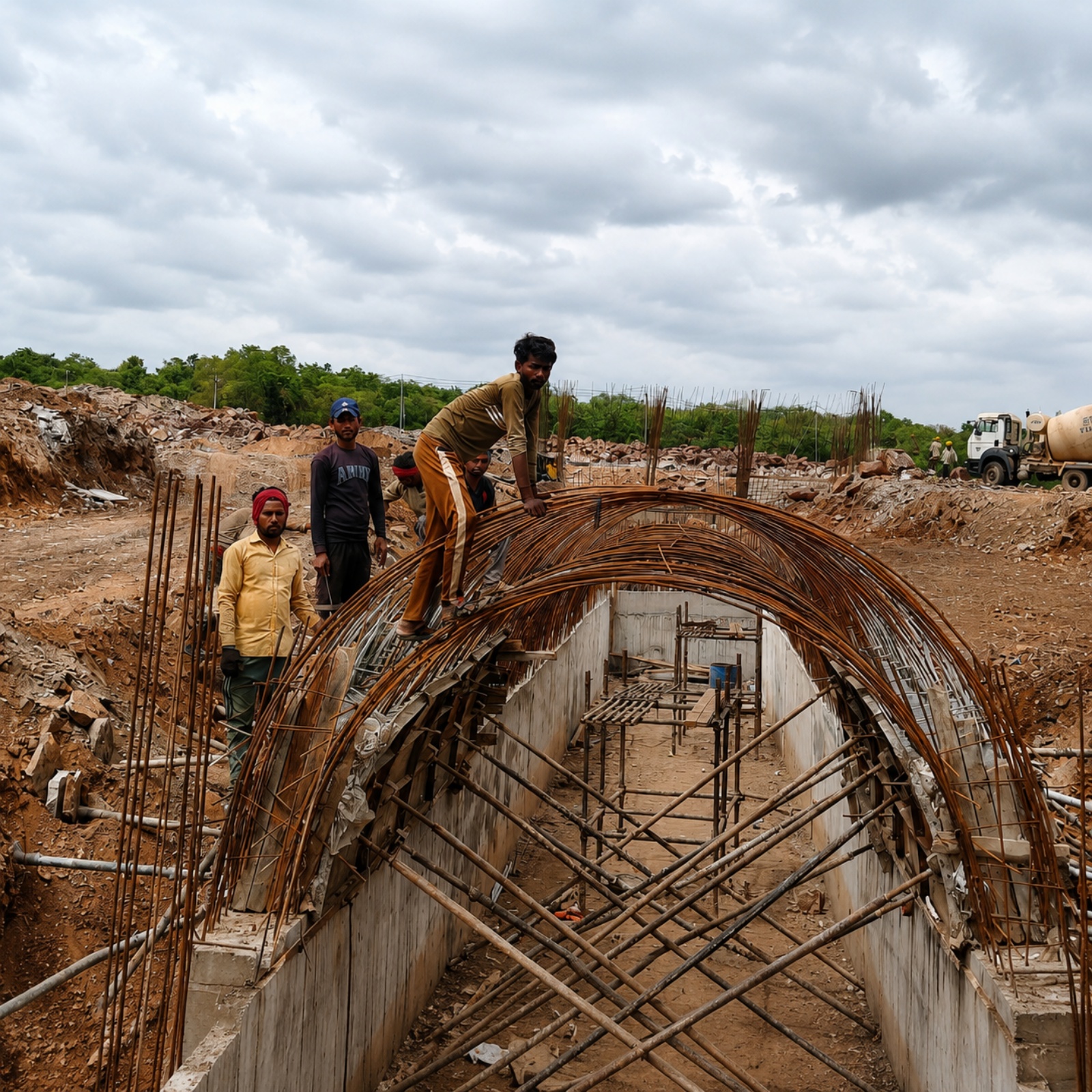
India’s Supreme Court is deciding what the word “industry” means in a labour law.
This matters because the definition can affect which workers receive protections during workplace disputes.
The case may include workers in hospitals, schools, welfare organisations, and government social services.
A 1978 Supreme Court ruling gave the word a broad meaning.
It said an organisation could count as an industry if employers and employees worked together to provide goods or services.
Making a profit was not required under that approach.
A larger nine-judge bench is now reconsidering whether that interpretation is correct.
The court reserved its decision after hearing arguments for three days.

A nine-judge Supreme Court bench will rule on the meaning of “industry” under India’s labour law.
The decision could determine whether workers in hospitals, educational institutions, welfare bodies, and government social services receive industrial-dispute protections.
The case revisits the Supreme Court’s 1978 Bangalore Water Supply and Sewerage Board ruling.
That ruling said organised employer-employee activity providing goods or services could qualify as an industry, regardless of profit motive.
The bench, headed by Chief Justice Surya Kant, reserved its verdict on March 19 after three days of hearings.
- Who
- A nine-judge bench of the Supreme Court, headed by Chief Justice Surya Kant.
- What
- The court is deciding how broadly “industry” should be defined under India’s labour law.
- Where
- In India’s Supreme Court.
- When
- The court is set to decide the matter Thursday; it reserved its verdict on March 19 after three days of hearings.
- Why
- The definition could determine whether workers in hospitals, educational institutions, welfare bodies, and government-run social services receive industrial-dispute protections.
Key facts
- Bench size
- Nine judges
- Presiding judge
- Chief Justice Surya Kant
- Earlier ruling
- Bangalore Water Supply and Sewerage Board vs A Rajappa, decided in 1978
- Earlier interpretation
- Organised employer-employee activity providing goods or services could qualify as an industry, regardless of profit motive
- Potentially affected workers
- Workers in hospitals, educational institutions, welfare bodies, and government-run social services
- Latest hearing status
- The bench reserved its verdict on March 19 after three days of hearing
Sources
Related news

Supreme Court To Rule On ‘Industry’ Definition Today
Supreme Court Splits Over ‘Industry’ Definition Under Labour Law

Supreme Court Narrows 1978 Industry Definition Under New Labour Code
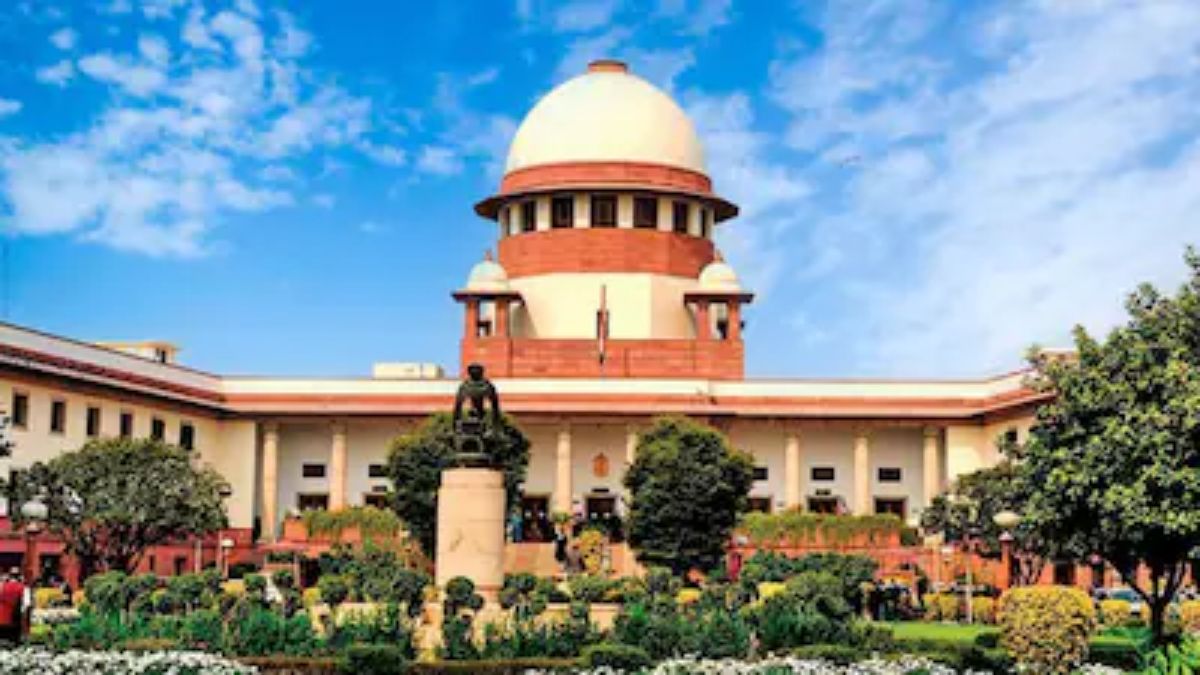
Supreme Court’s industry ruling settles old test, leaves Code questions

Supreme Court Limits 1978 Industry Ruling Under 2020 Code

Supreme Court Upholds Landmark Bangalore Water Supply Industry Judgment

PUCL Urges CJI Action Over Rajasthan High Court Allegations

Supreme Court Questions IPS Deputation for CAPF Leadership Positions

Supreme Court Quashes 20-Year Conviction, Reaffirms Juvenile Legal Protections

Two Years After RG Kar Doctor's Rape-Murder, Case Remains Unresolved

ED widens Chhattisgarh probes with two arrests and searches