

1 week ago
Supreme Court Limits 1978 Industry Ruling Under 2020 Code

India’s Supreme Court considered how to define an “industry” in labour-law cases.
A 1978 ruling had given the word a broad meaning.
That ruling brought workers in places such as hospitals, schools, clubs and government welfare departments under the old law’s protections.
The court said the old meaning must still be used for pending cases under the 1947 law.
It also kept the “triple test” used to decide whether an activity counts as an industry.
However, the old ruling will not automatically control new cases under the 2020 labour code.
The court said it had not decided what “industry” means under that new code.
Three judges disagreed with reopening the 1978 ruling and said it should remain settled.

A nine-judge Supreme Court bench upheld by 6:3 that reconsideration of the 1978 industry ruling was validly referred.
The 1978 Bangalore Water Supply judgment’s interpretation remains applicable to pending cases under the repealed Industrial Disputes Act, 1947.
The court retained Justice V.R. Krishna Iyer’s triple test, while saying the judgment refined it for future consideration.
The 1978 interpretation will not determine fresh cases under the Industrial Relations Code, 2020, whose meaning the court did not decide.
Justices B.V. Nagarathna, Dipankar Datta and Ujjal Bhuyan dissented, saying the reference was unwarranted or not maintainable.
- Who
- A nine-judge Constitution bench of the Supreme Court headed by Chief Justice Surya Kant; the majority comprised six judges, while Justices B.V. Nagarathna, Dipankar Datta and Ujjal Bhuyan dissented on the reference’s maintainability.
- What
- The court held that the 1978 interpretation of “industry” remains applicable to pending proceedings under the 1947 Act but does not determine the meaning of “industry” under the Industrial Relations Code, 2020.
- Where
- The Supreme Court of India in New Delhi.
- When
- The verdict was delivered on Thursday, August 20; the original Bangalore Water Supply judgment was delivered on February 21, 1978.
- Why
- The bench was asked whether the 1978 definition and triple test remained correct and whether later legislation affected their interpretation.
Majority View
Dissenting View
Reconsidering the 1978 ruling
Majority View
Six judges held that the reference asking whether the 1978 judgment should be reconsidered was validly made.
Dissenting View
Justices Nagarathna, Datta and Bhuyan said the reference was unwarranted or not maintainable.
Status of the precedent
Majority View
The majority retained the triple test and directed that pending proceedings under the 1947 Act follow the 1978 interpretation.
Dissenting View
The dissenting judges said the 1978 judgment correctly settled the scope of “industry” and did not require reconsideration.
Effect of the 2020 Code
Majority View
The majority said the interpretation of “industry” under the 2020 Code is not burdened by the 1947 Act’s interpretation and was not decided in this judgment.
Dissenting View
The dissent emphasized finality and institutional credibility, arguing against reopening the established precedent.
Key facts
- Decision
- The reference to reconsider the 1978 judgment was upheld by a 6:3 majority.
- Pending cases
- Pending proceedings under the Industrial Disputes Act, 1947, must follow the interpretation in the 1978 Bangalore Water Supply judgment.
- Triple test
- Systematic activity involving employer-employee cooperation in producing or distributing goods and services may qualify as an industry.
- 2020 Code
- The majority said the future meaning of “industry” under Section 2(p) of the Industrial Relations Code, 2020, is not governed by the old Section 2(j) interpretation.
- Covered workers
- The 1978 interpretation extended the old Act’s protections to employees in hospitals, educational institutions, clubs and government welfare departments.
- Dissent
- Justices B.V. Nagarathna, Dipankar Datta and Ujjal Bhuyan said the reference was unwarranted, not maintainable or unnecessary.
- Code commencement
- The bench’s stated issues referred to the Industrial Relations Code, 2020, with effect from November 21, 2025.
Quotes
Chief Justice Ranjan Gogoi
Chief Justice of India
“"Liberalisation, privatisation, globalisation were embraced by the Indian economy with a view to privatise state-sponsored and managed industries by handing over these entities, goods and services to private hands."”
 theprint.in
“"The future of ‘industry’ in section 2(p) of 2020 Code is not burdened by the interpretation of 2(j) in the Industrial Disputes Act of 1947."”
 deccanchronicle.com
theprint.in
deccanchronicle.com
theprint.in
Sources

Related news

Supreme Court Narrows 1978 Industry Definition Under New Labour Code
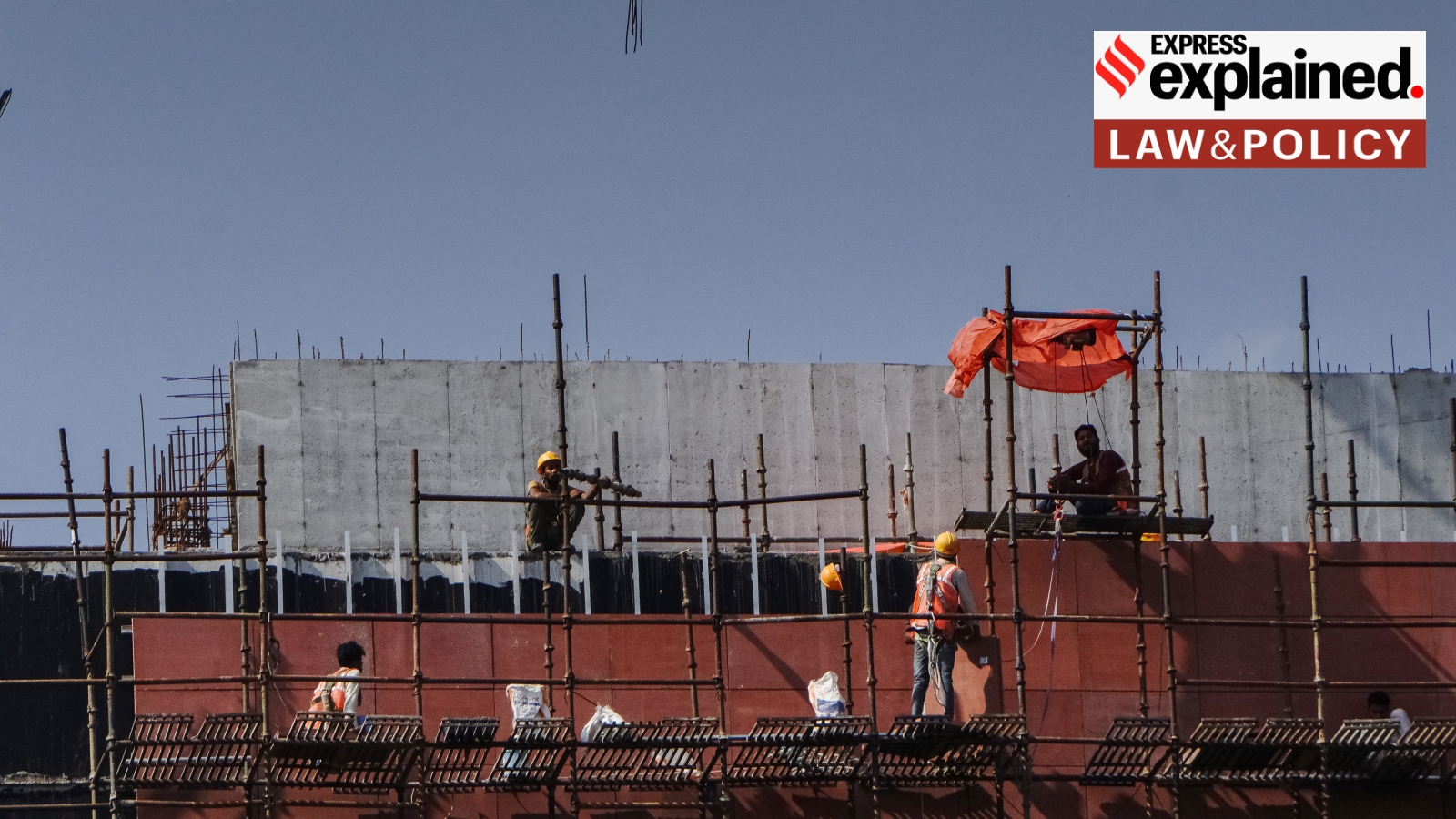
Supreme Court Splits Over ‘Industry’ Definition Under Labour Law

Supreme Court To Rule On ‘Industry’ Definition Today
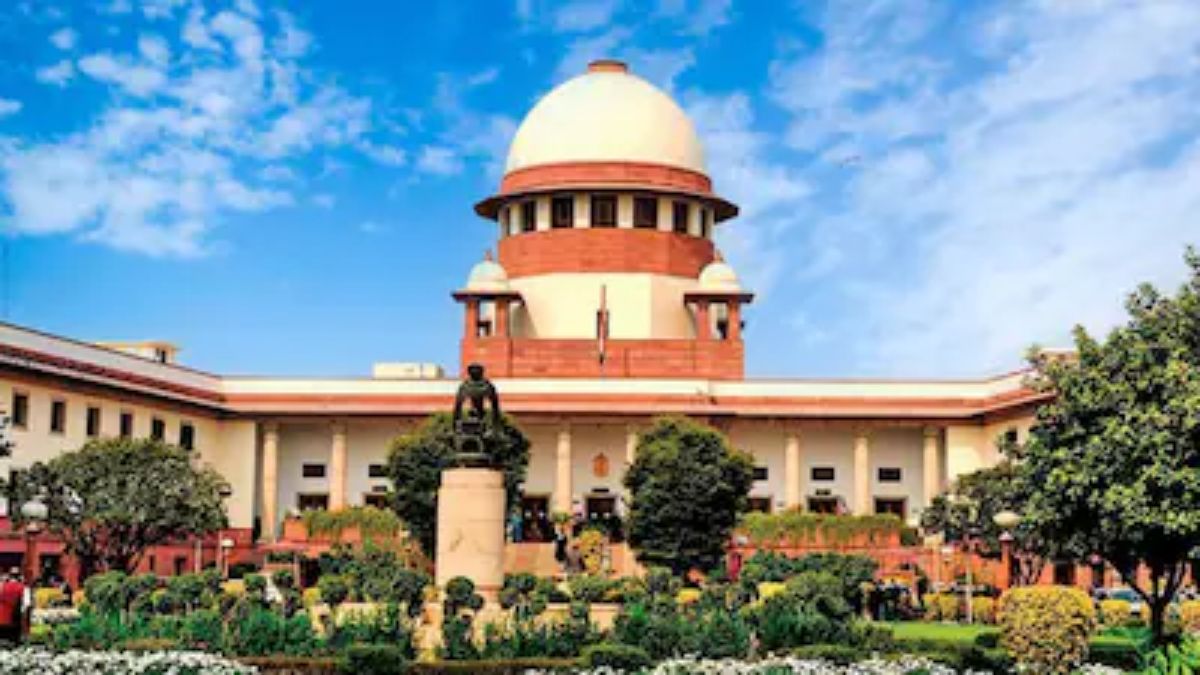
Supreme Court’s industry ruling settles old test, leaves Code questions

Supreme Court Upholds Landmark Bangalore Water Supply Industry Judgment
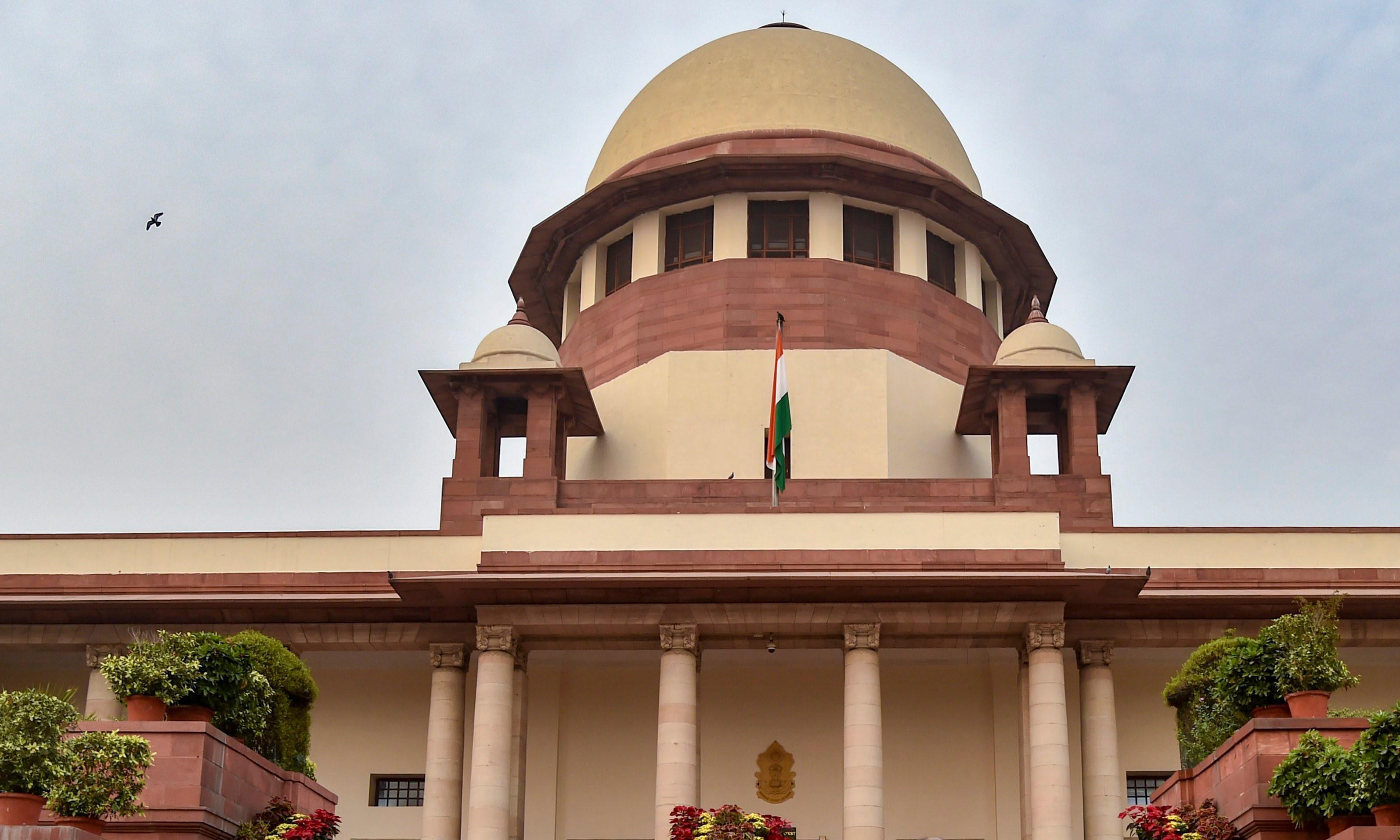
Supreme Court Keeps 1978 Industry Definition Unchanged for Pending Cases
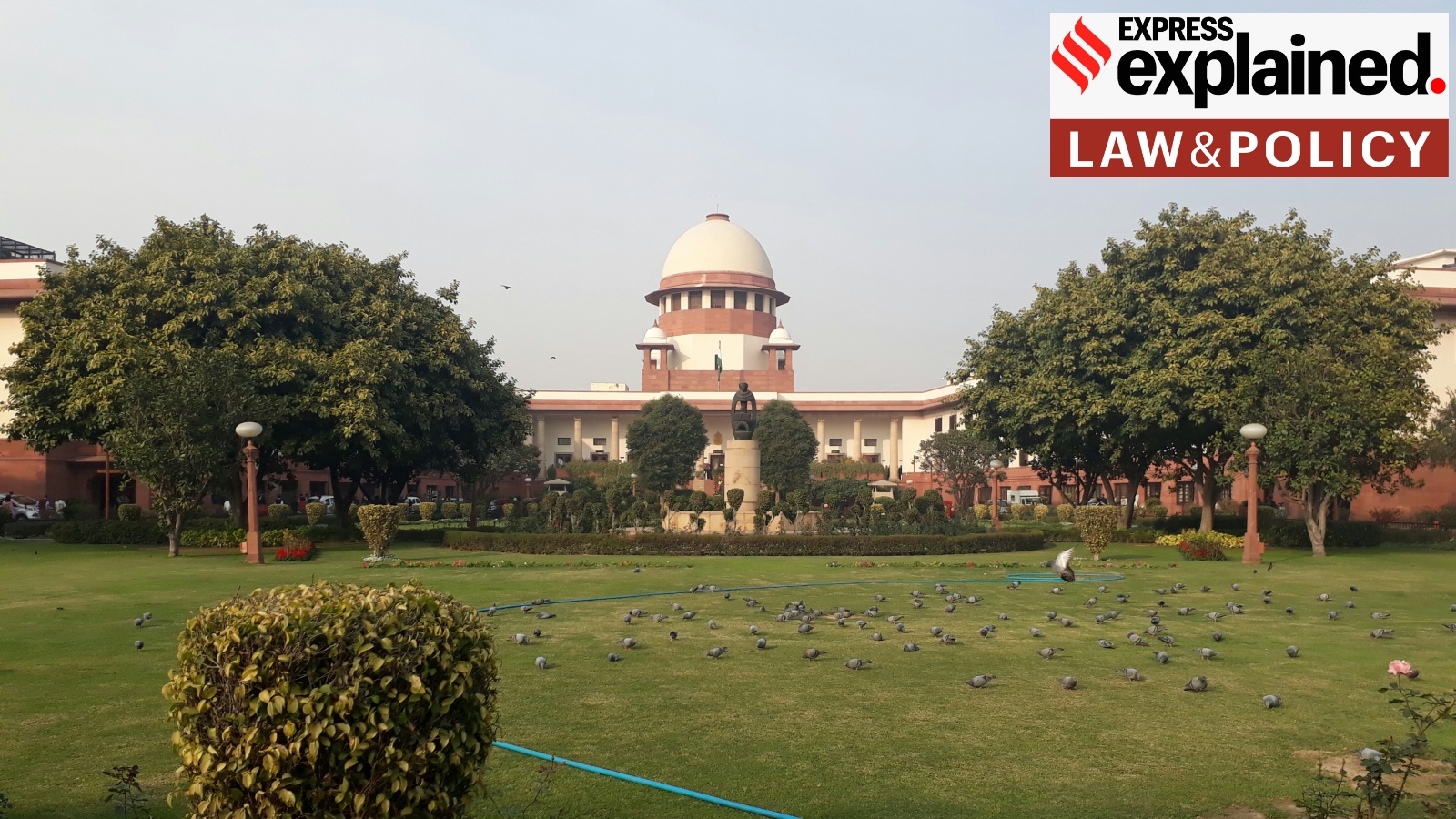
Centre Seeks Supreme Court Clarity on OBC CSE 2025 Rules

Supreme Court Special Bench to Review OBC Creamy Layer Criteria
Supreme Court Seeks States’ Response on Footpath Rights
