

1 week ago
Oil Prices Near One-Month High as US Threatens Iran Sanctions
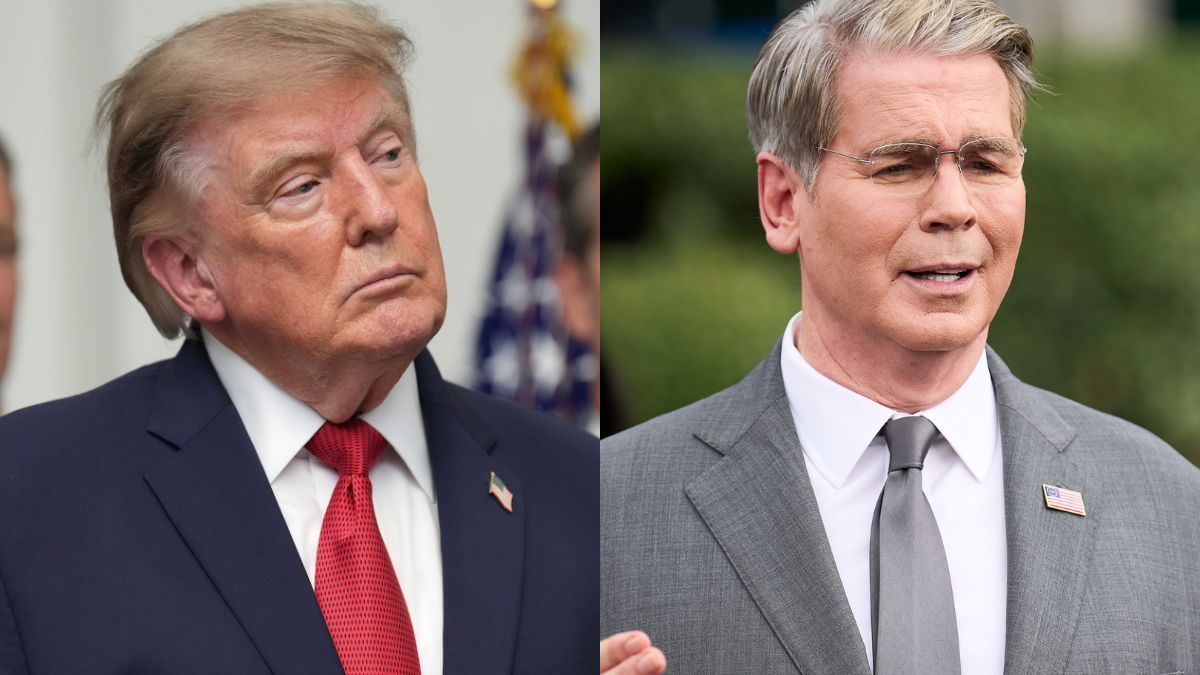
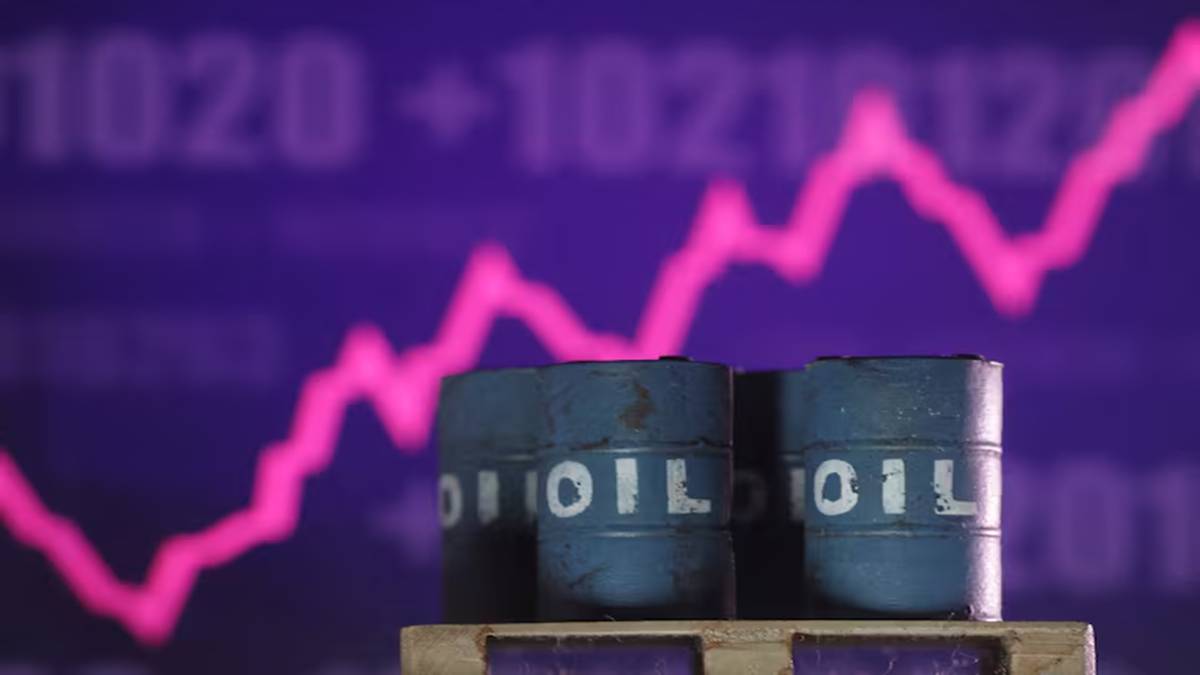
Oil became more expensive because people are worried that less oil may reach the world market.
The United States threatened very strong new sanctions against Iran.
It also warned that countries and companies helping Iran could be punished.
Iran rejected the threats and said they would create more problems.
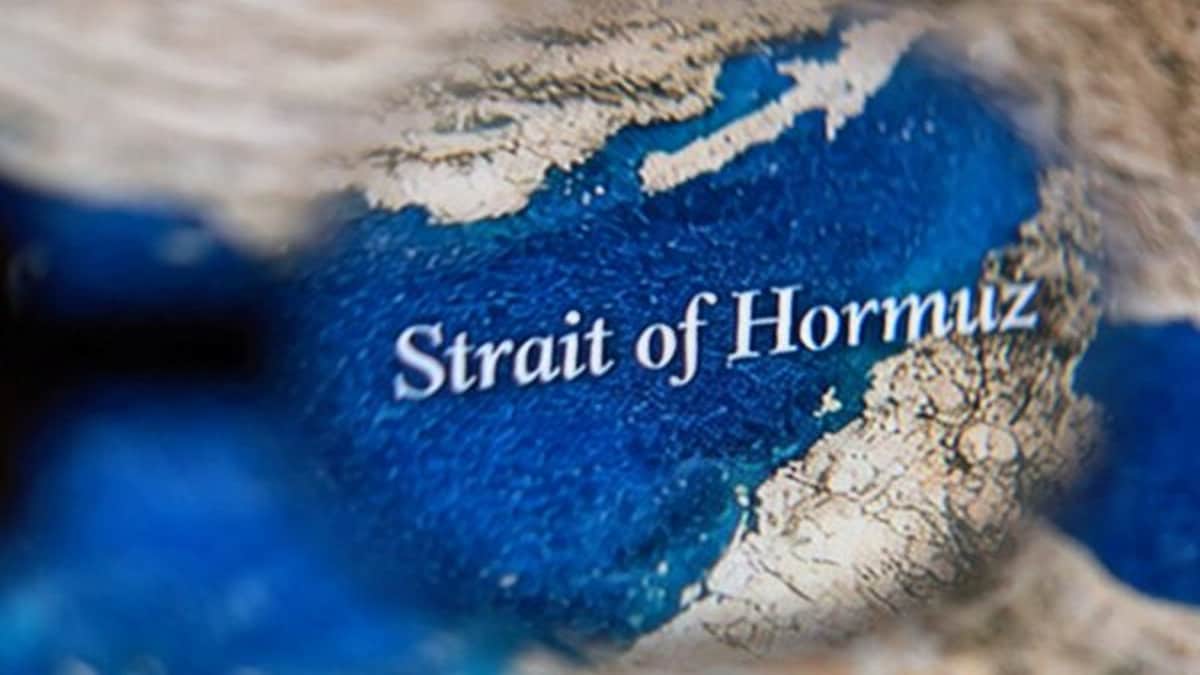
Iran has kept the Strait of Hormuz closed unless the United States meets several conditions.
This waterway carried about one-fifth of the world’s traded oil before the war.
Fighting and blockades are also affecting shipping near the Red Sea.
Oil prices rose sharply on Thursday but slipped a little on Friday.

Brent crude rose nearly $3 to about $92 on Thursday before dipping to $93.55 on Friday after closing at $93.78.
WTI crude rose 3.3% to $86.72 on Thursday; a separate report gave a Friday price of $786.50, apparently conflicting with the other figures.
US officials threatened sweeping sanctions against Iran and secondary penalties for countries and companies continuing to do business with Tehran.
Iranian officials rejected the threats, saying they would increase hostility and seeking an end to the US blockade and other measures before reopening the Strait of Hormuz.
Oil shipments face disruption from the Strait of Hormuz, the Red Sea, and the wider US-Israel conflict with Iran, while China and India remain major buyers of Iranian oil.
- Who
- The United States, Iran, President Donald Trump, Treasury Secretary Scott Bessent, and Iranian officials including Abbas Araghchi are central; the UAE, China, and India are also mentioned.
- What
- Oil prices rose as the United States prepared sweeping sanctions against Iran and threatened penalties for its business partners.
- Where
- The dispute involves Iran, the United States, the UAE, the Strait of Hormuz, and the Red Sea.
- When
- Prices surged on Thursday and dipped on Friday; the interim 60-day peace agreement expired on Monday, while the articles say Iran was attacked by Israel and the United States on February 28.
- Why
- The United States said it wanted to isolate Iran economically, while Iran has demanded an end to the US blockade, withdrawal of US forces, compensation, sanctions relief, and other conditions before reopening the Strait of Hormuz.
United States Position
Iranian Position
Economic sanctions
United States Position
Donald Trump and Scott Bessent say sweeping sanctions and penalties for Iran’s business partners are needed to isolate Tehran and pressure it economically.
Iranian Position
Iranian Foreign Minister Abbas Araghchi called the measures failed policies that would increase hostility and produce more failures.
Purpose of the pressure
United States Position
Trump said countries providing Iran with any financial or other lifeline would face tremendous consequences; Bessent said countries must decide whether to continue doing business with Tehran.
Iranian Position
Araghchi said the threats were intended to distract the US public from domestic economic problems and described US economic pressure as a threat to the global economy and national sovereignty.
Strait of Hormuz and negotiations
United States Position
Trump said the United States was essentially controlling the Strait of Hormuz and had no plans for fresh negotiations or an extension of the expired interim peace agreement.
Iranian Position
Iran said the waterway would remain closed until the US ended its blockade, stopped threats and aggression, withdrew forces, lifted sanctions, released frozen assets, and met other conditions.
Key facts
- Brent Thursday close
- Brent rose nearly $3 to around $92 a barrel, its highest level since July 22, according to one report.
- Brent Friday trading
- Brent fell 23 cents, or 0.3%, to $93.55 after closing at $93.78 in the previous session.
- WTI Thursday move
- WTI rose 3.3% to $86.72 a barrel, extending a five-session rally.
- US sanctions threat
- Scott Bessent described the planned measures as the greatest coordinated economic isolation in history and threatened secondary sanctions.
- Iranian oil buyers
- China and India were identified as major buyers of Iranian oil.
- Shipping disruption
- The articles say roughly one-fifth of the world’s traded oil passed through the Strait of Hormuz before the war.
- UAE action
- The UAE reportedly suspended financial and economic transactions with Iran after accusing Tehran of launching ballistic missiles at its territory.
Quotes

Scott Bessent
US Treasury Secretary
“If you insist on doing business with them, then the US Treasury and US government will put its full might and force against you. It’s time for our allies and the rest of the world to make a decision.”
 financialexpress.com
“the US planned to choke Iran's economy by imposing major economic penalties on any country that provides “any type of lifeline” to Tehran.”
 livemint.com

Mohammad-Bagher Zolghadr
Secretary of Iran’s Supreme National Security Council outlining conditions for reopening the Strait of Hormuz
“Correcting its behaviour means that Iran must never again be threatened or humiliated, aggression against Iran and its allies must end permanently, the naval blockade must be lifted, US naval and air forces must withdraw from around Iran, war damages must be compensated, sanctions must be lifted, and Iran’s frozen assets must be released”
financialexpress.com
“US economic terrorism threatens the global economy and the national sovereignty of countries around the world.”
livemint.com
Tony Sycamore
IG analyst assessing the US-Iran standoff and oil-price trajectory
“Both sides are dug in but lacking the luxury of time to play the waiting game, against a backdrop of crude prices grinding unerringly higher”
financialexpress.com
Sources

Related news
Oil Prices Rise Fifth Session as Trump Tightens Iran Pressure
Oil Prices Fall as U.S. Expands Iran Sanctions Near Hormuz
Oil Prices Rise as New US Iran Measures Threaten Supplies

Oil Prices Fall Ahead of Expected New Iran Sanctions
Oil Prices Rise as US-Iran Strikes Threaten Hormuz Supplies

Oil Rises as US Threatens Unprecedented Economic Pressure on Iran
Iran Seizes Fuel-Smuggling Vessel in Gulf, Arrests 11 Crew
Trump Floats Renaming Strait of Hormuz as “Trump Strait”

Chevron Plans $7 Billion Venezuela Expansion Amid U.S. Oil Push
Saudi Tanker Hit in Hormuz, Killing Two Filipino Sailors
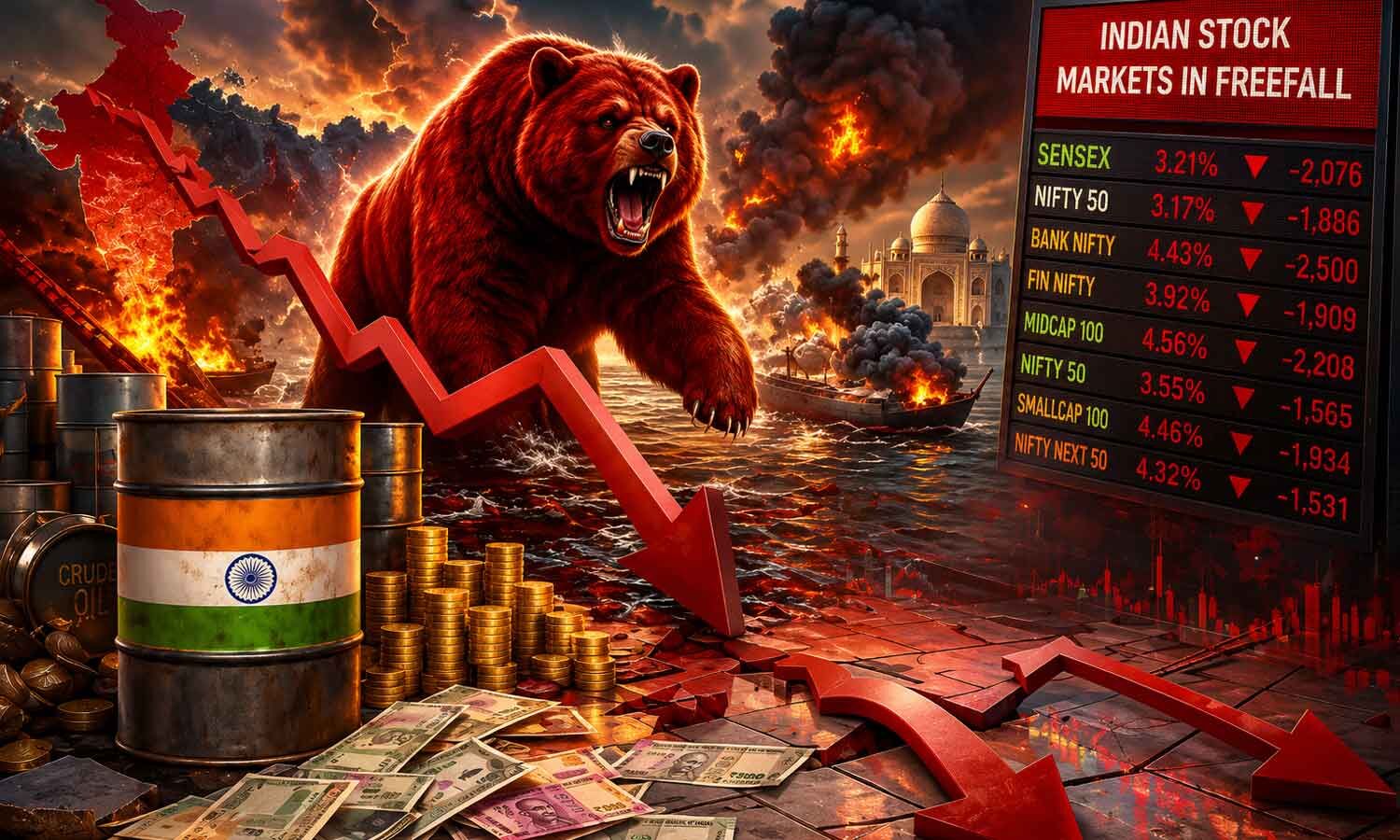
Indian Stocks Extend Three-Day Losing Streak as Oil Rises
