1 week ago
Oil Prices Rise as New US Iran Measures Threaten Supplies
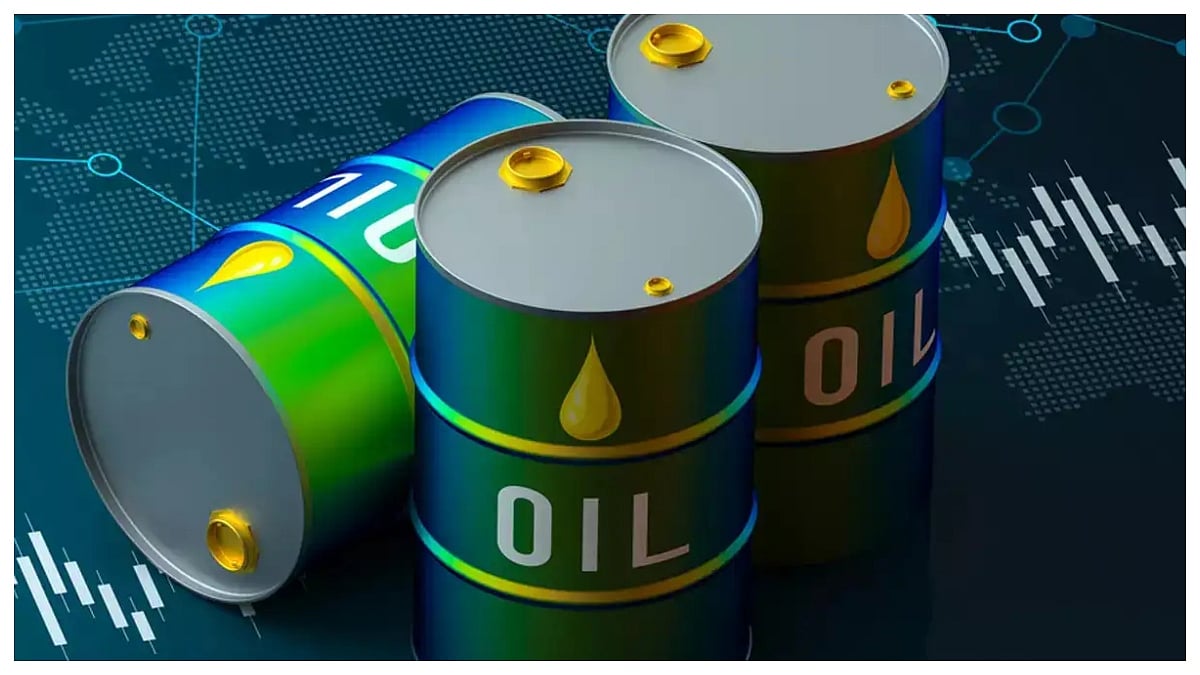
Oil prices are rising because people are worried that less oil may reach world markets.
The United States plans to announce new economic measures against Iran.
These measures could also affect countries that continue trading with Iran, including China.
Iran’s central bank governor said the country’s oil shipments had almost stopped.
The United States has also maintained a naval blockade around Iranian ports, according to the article.
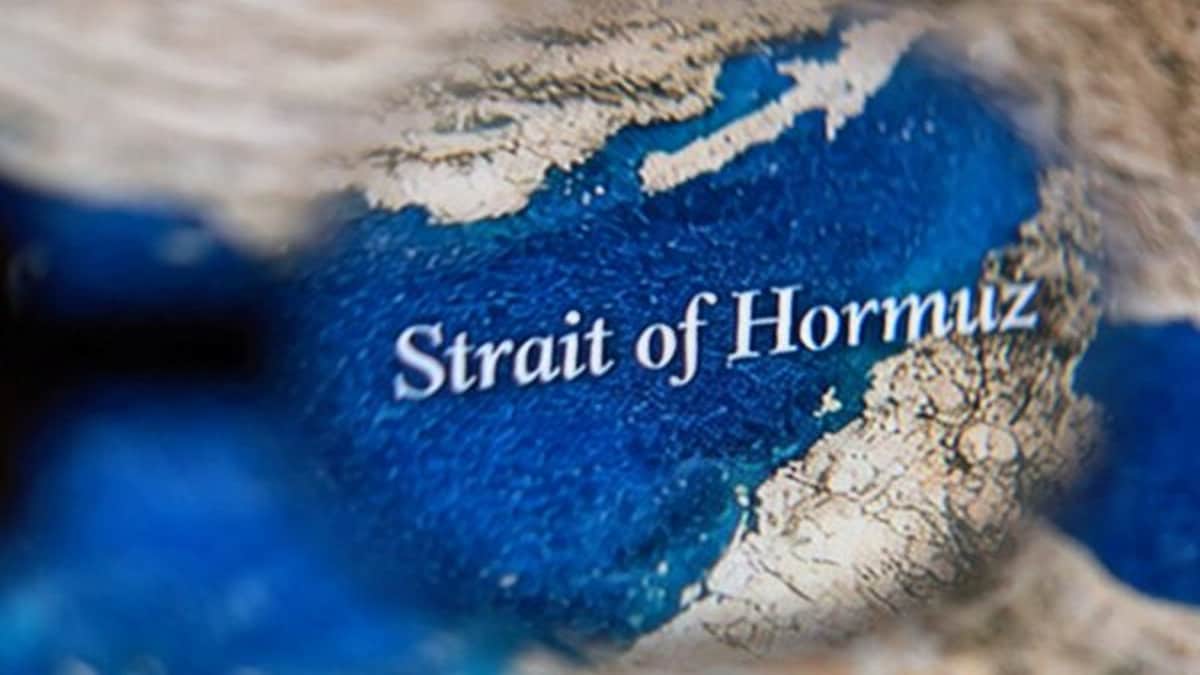
The Strait of Hormuz is an important route for transporting oil and gas.
Any trouble there could make fuel supplies tighter.
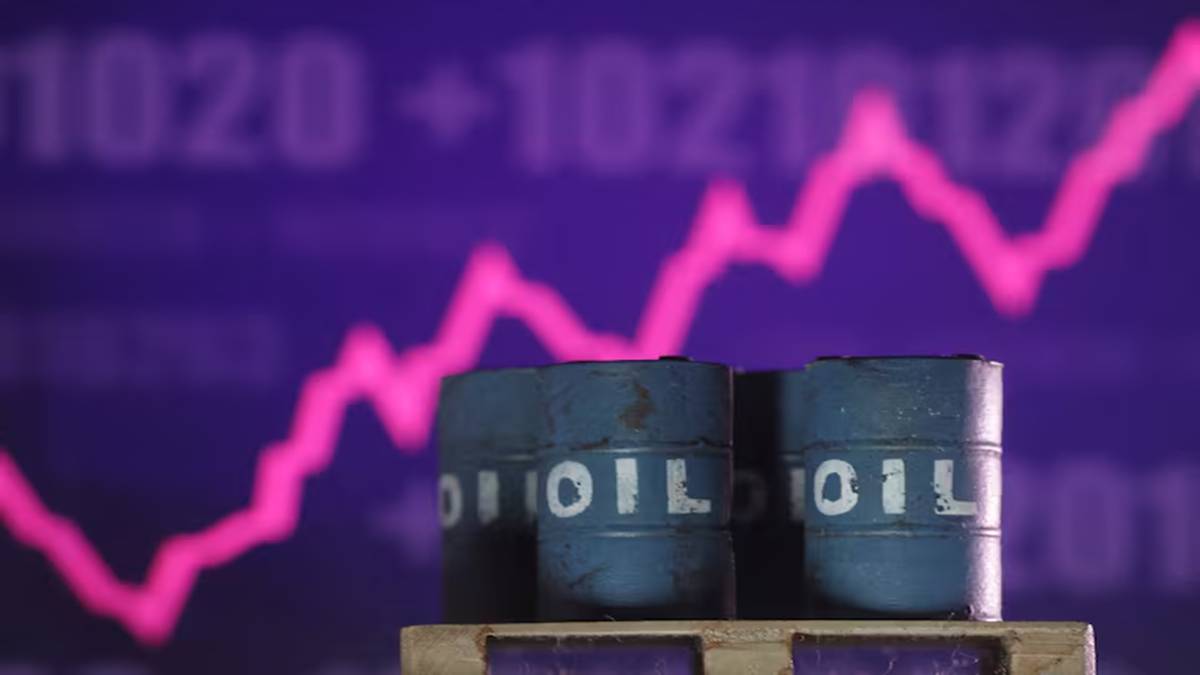
Brent crude rose above $93 per barrel, while WTI moved toward $86.
China says pressure and sanctions will not solve the conflict and wants negotiations.

Brent crude traded above $93 a barrel and was headed for a weekly gain exceeding 5%.
WTI for October delivery moved toward $86 but remained on track for a fifth consecutive weekly increase.
The United States plans to announce new economic measures against Iran on Monday, potentially affecting China and other trading partners.
Iranian Central Bank Governor Abdolnaser Hemmati said the country’s oil flows had “virtually stopped” amid mounting pressure on exports.
Markets are watching possible disruptions through the Strait of Hormuz, while diesel prices have risen faster than crude prices.
- Who
- The United States, Iran, China, oil traders, and global energy consumers are involved; officials cited include Scott Bessent, Donald Trump, and Abdolnaser Hemmati.
- What
- Oil prices are set for a weekly gain of more than 5% as new US measures against Iran raise fears of further supply disruptions.
- Where
- The potential disruptions involve Iranian oil exports, Iranian ports, and shipping through the Strait of Hormuz.
- When
- The new US measures are expected to be announced on Monday; Brent and WTI prices were reported on Friday.
- Why
- Investors fear additional restrictions on Iranian oil exports or shipping disruptions could tighten global energy supplies and raise fuel prices.
US pressure and supply security
Chinese opposition and negotiations
Economic measures against Iran
US pressure and supply security
The United States is preparing tougher economic measures against Iran and may penalize countries that continue trading with Tehran.
Chinese opposition and negotiations
China, the largest buyer of Iranian crude, opposes Washington’s approach and says sanctions and economic pressure will not resolve the conflict; it calls for negotiations.
Shipping through the Strait of Hormuz
US pressure and supply security
US Treasury Secretary Scott Bessent said Washington controls the waterway and that vessels could use a southern route to leave the region.
Chinese opposition and negotiations
Market participants remain concerned that further disruption to shipping through the Strait of Hormuz could intensify pressure on global oil and fuel supplies.
Key facts
- Brent crude
- Traded above $93 a barrel and was heading toward a weekly gain of more than 5%.
- WTI crude
- Moved toward $86 a barrel for October delivery and was on track for a fifth consecutive weekly advance.
- US measures
- The United States is expected to announce new economic measures against Iran on Monday.
- Possible targets
- The measures could affect Iran and countries continuing to trade with Tehran, including China.
- Iranian oil flows
- Iranian Central Bank Governor Abdolnaser Hemmati said the country’s oil flows had “virtually stopped.”
- Strait of Hormuz
- The waterway is a critical route for global oil and gas trade and is central to supply-disruption concerns.
- Diesel markets
- Diesel prices have increased more rapidly than crude prices.
Sources
Related news
Oil Prices Rise Fifth Session as Trump Tightens Iran Pressure

Oil Rises as US Threatens Unprecedented Economic Pressure on Iran

Oil Prices Surge Above $90 as US-Iran Tensions Escalate
Oil Prices Rise as US Threatens Indefinite Blockade of Iran
Oil Prices Near One-Month High as US Threatens Iran Sanctions
Oil Prices Rise as US-Iran Strikes Threaten Hormuz Supplies

Iran Seizes Fuel-Smuggling Vessel in Gulf, Arrests 11 Crew
Trump Floats Renaming Strait of Hormuz as “Trump Strait”

Chevron Plans $7 Billion Venezuela Expansion Amid U.S. Oil Push
Saudi Tanker Hit in Hormuz, Killing Two Filipino Sailors

U.S.-Iran Exchange Escalates Across Middle East, Markets Slide