

7 hrs ago
Report Says Corruption Acts as Hidden Tax on Bangladesh's Poor
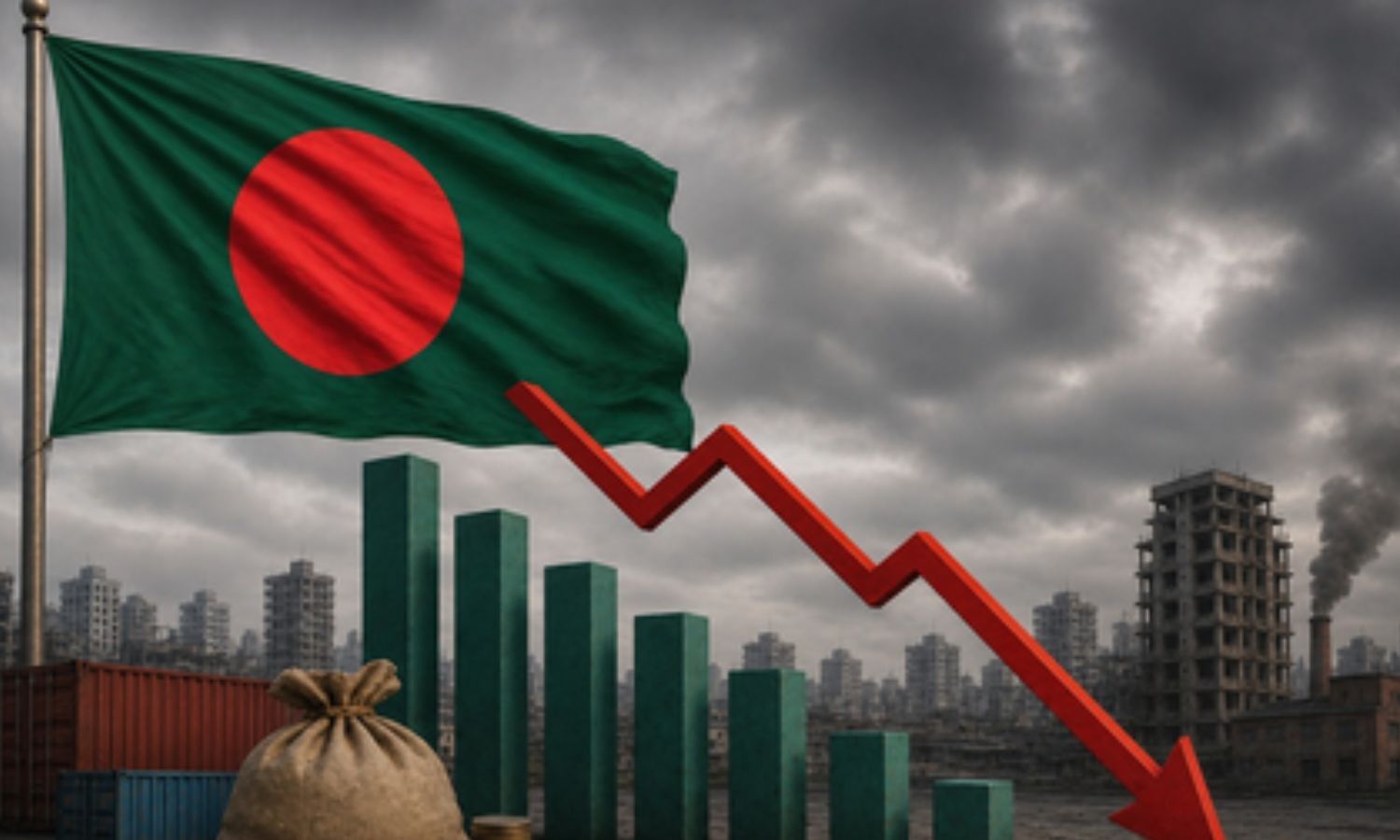
A report says corruption makes it harder and more expensive for people in Bangladesh to get public services.
A survey found that many households experienced corruption, and many had to pay bribes.
The estimated bribes added up to Tk 126.33 billion during the period studied.
Most households that paid bribes said they could not get the service without paying.
More than half of those surveyed did not know how to report corruption.
Only a small share of people who encountered it filed a formal complaint.
Many who stayed silent thought corruption was unavoidable or that complaining would not help.
Poorer households spent a bigger share of their income on these payments than wealthier households.
Analysts say this makes corruption like a hidden tax that weighs more heavily on people with less money.

Transparency International Bangladesh’s 2025 household survey found 81.6% of households experienced corruption accessing services, and 63.6% were compelled to pay bribes.
The survey estimated bribe transactions at Tk 126.33 billion, equal to 1.58% of Bangladesh’s revised FY25 budget and 0.23% of GDP.
The survey covered 15,715 households and examined experiences from November 2024 through October 2025.
Among households that paid bribes, 81.5% said they could not obtain services without paying.
Poorer households in five corruption-prone sectors spent an average 5.1% of annual income on corruption-related payments, compared with 3.2% for households above the poverty line.
- Who
- Households in Bangladesh, as surveyed by Transparency International Bangladesh.
- What
- A survey and analysis reported widespread corruption in public services and a disproportionate financial burden on poorer households.
- Where
- Bangladesh.
- When
- The survey examined experiences from November 2024 to October 2025 and was highlighted in a recent discussion on governance and economic growth.
- Why
- Analysts say corruption raises costs, weakens public institutions and trust, discourages investment, and places a heavier relative burden on poorer households.
Key facts
- Households surveyed
- 15,715
- Households reporting corruption
- 81.6%
- Households compelled to pay bribes
- 63.6%
- Estimated bribe transactions
- Tk 126.33 billion
- Share of revised FY25 budget
- 1.58%
- Share of GDP
- 0.23%
- Corruption-related payments as share of income
- 5.1% for below-poverty-line households in five identified sectors, versus 3.2% for households above the poverty line
Sources
Related news
Bangladesh Inflation Reflects Structural Weaknesses and Policy Challenges
Bengal Minister Warns Against Durga Puja-Linked Corruption After ED Raids
Author Warns India’s Democratic Institutions Are Being Decayed

Bengaluru GST Officer Allegedly Caught Accepting ₹8 Lakh Bribe
Bangladesh Fuel Hikes Raise Fears of Fresh Inflation
ED Files Fresh Corruption Complaint Against Arrested DCP

WHO Data Shows India Outlives Pakistan, Trails Bangladesh
Jaishankar Thanks Outgoing Bangladesh Envoy for Strengthening Bilateral Ties
Why India’s Opposition Parties Keep Contesting Despite Rigging Claims
Mumbai Police Detain Seven Suspected Bangladeshis in Nalasopara Raid
