1 hr ago
Bangladesh Inflation Reflects Structural Weaknesses Beyond Temporary Supply Shortages
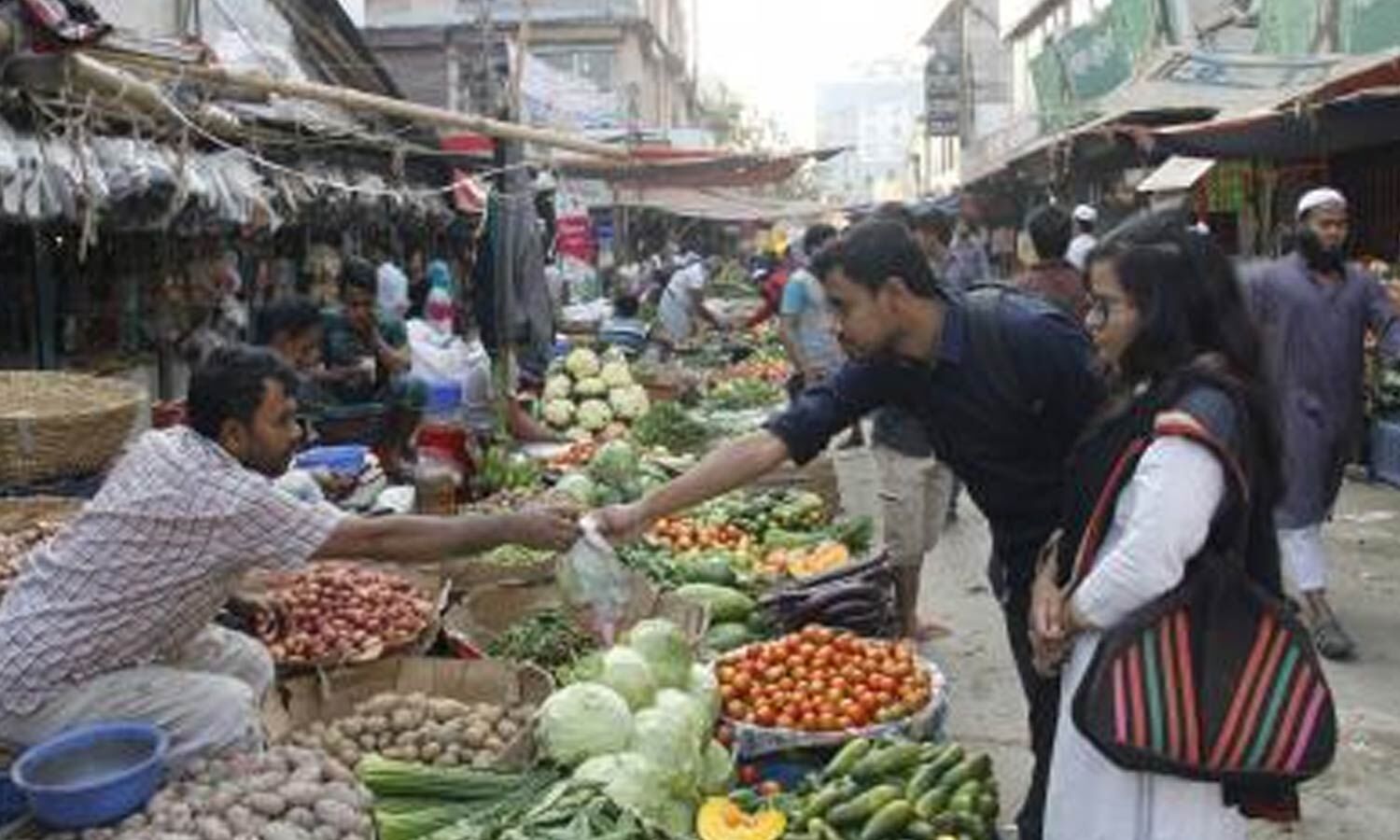
Bangladesh is facing high prices for many goods and services.
A new report says the problem is not only caused by shortages or global events.
It also comes from weaknesses inside the country’s economy.
Some markets have too little competition, so prices can rise quickly and fall slowly.
Problems with transportation, storage, energy, and supply chains add to costs.
A weaker currency and more expensive imported fuel also make goods costlier.
The government may need to borrow more because its spending is greater than its reliable income.
Too much borrowing could make inflation worse.
The report recommends a long-term plan to improve revenue, energy policy, competition, and investment conditions.

A new report attributes Bangladesh’s persistent inflation to structural economic weaknesses and faulty policymaking.
Weak competition, supply-chain bottlenecks, inadequate transport and storage, and market concentration are identified as major factors.
The Asian Development Bank forecasts average inflation of 8.7% in fiscal 2025–26 and 9% in 2026–27.
Food prices, currency depreciation, and higher imported fuel costs are also contributing to inflation.
The report calls for sustainable revenue planning, energy-sector reforms, and measures to restore private-investment confidence.
- Who
- The Bangladesh-based publication The Business Standard, citing an Asian Development Bank forecast, reported on Bangladesh’s inflation.
- What
- Bangladesh’s persistent inflation is attributed to structural weaknesses, faulty policymaking, supply-chain problems, and higher costs.
- Where
- Bangladesh.
- When
- The Asian Development Bank forecasts average inflation of 8.7% in fiscal 2025–26 and 9% in fiscal 2026–27.
- Why
- Weak competition, market concentration, inadequate infrastructure, currency depreciation, imported fuel costs, weak revenue collection, and delayed macroeconomic adjustments are contributing to price pressures.
Key facts
- Inflation forecast, fiscal 2025–26
- 8.7% annual average, according to the Asian Development Bank forecast cited in the report
- Inflation forecast, fiscal 2026–27
- 9% annual average, according to the cited forecast
- Projected budget deficit, fiscal 2026–27
- Tk2.26 lakh crore
- Planned domestic financing
- Tk1.25 lakh crore of the projected deficit
- Additional inflation drivers
- Food prices, exchange-rate depreciation, and higher imported fuel costs
- Private-investment concerns
- Policy uncertainty, regulatory complications, energy shortages, and institutional weaknesses
- Recommended approach
- A credible medium-term plan connecting spending commitments with sustainable revenue
Quotes
The Business Standard report
Bangladesh-based publication reporting on the country’s inflation and fiscal risks
“Higher government borrowing can put pressure on domestic liquidity and raise the cost of financing. If deficit financing becomes excessively accommodative, it can also intensify inflationary pressures.”
 thehansindia.com
“serious discussion about inefficiencies in the energy sector, the mechanism for setting prices, the tax burden on petroleum products and the financial weaknesses of the institutions involved.”
thehansindia.com
Sources
Related news
Bangladesh Fuel Hikes Raise Fears of Fresh Inflation

Bangladesh Gas Crisis Exposes LNG Logistics and Concentration Risks

Bangladesh Gas Supply Hits Decade Low, Disrupting Power and Factories
Pakistan Inflation Hits World’s Fastest Acceleration Amid Economic Pressure
West Bengal Faces Fiscal Stress, But Not Literal Bankruptcy
Bangladesh Faces Growing Crisis of Juvenile Violence and Crime

PL Capital Upgrades Pearl Global as Stock Hits Fresh High

Bengal BJP Chief Praises Gyanesh Kumar Amid Election Commission Row
Gujarat Hilsa Enters Bangladesh, But Fails Taste Test