6 days ago
Author Warns India’s Democratic Institutions Are Being Decayed
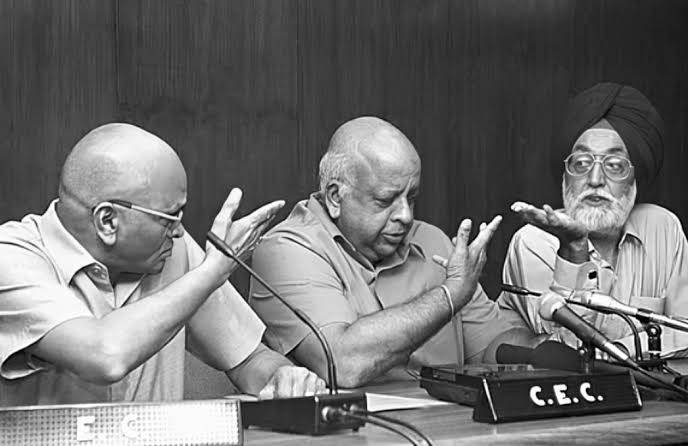
Aakar Patel says bribery and corruption are not exactly the same thing.
Bribery is when one person pays for a favor.
He says corruption can also mean important public institutions slowly becoming weak or unfair.
Patel argues that India spent decades building trusted elections and other democratic systems.
He says some of that progress has been reversed since 2014.
He points to political defections, parties being taken over, and problems involving the Election Commission and voter lists.
He is especially critical of a process called SIR, which requires voters to prove their identity through ancestry.
Patel says many people may have been removed from the voter rolls.
He believes fixing the damage could be very difficult for any future government.

Aakar Patel distinguishes bribery, an individual exchange of money for favors, from corruption, which he describes as institutional decay.
The Economist Intelligence Unit found India’s crony capitalism share of GDP doubled from 3% in 2016 to 6% in 2023.
Patel argues that decades of democratic institution-building have been weakened by political defections, party takeovers and pressure on institutions.
He says the Election Commission and voter rolls have been seriously damaged, particularly through the disputed SIR process.
The column warns that restoring erased voters and reversing institutional damage could create lasting legal and administrative problems.
- Who
- Aakar Patel, a senior journalist and columnist, is making the argument about India’s democratic institutions.
- What
- The column argues that corruption and political actions have weakened India’s democratic institutions, including the Election Commission and voter rolls.
- Where
- India.
- When
- The discussion covers developments over several decades, especially changes since 2014 and crony capitalism figures from 2016 and 2023.
- Why
- Patel says institutions have been weakened or misused for political and individual benefit, including through rent-seeking and changes to voter rolls.
Key facts
- Author
- Aakar Patel, a senior journalist and columnist
- Crony capitalism in 2016
- Estimated at 3% of India’s GDP by the Economist Intelligence Unit
- Crony capitalism in 2023
- Estimated at twice the 2016 share, or 6% of India’s GDP
- Key institution
- The Election Commission of India
- Voter-roll process
- SIR, which Patel says requires voters to prove their authenticity through ancestry
- Political period highlighted
- The decade after the Bharatiya Janata Party won a majority in 2014
- Historical election reforms
- The article credits voting machines with helping end booth capturing and ballot stuffing
Sources
Related news
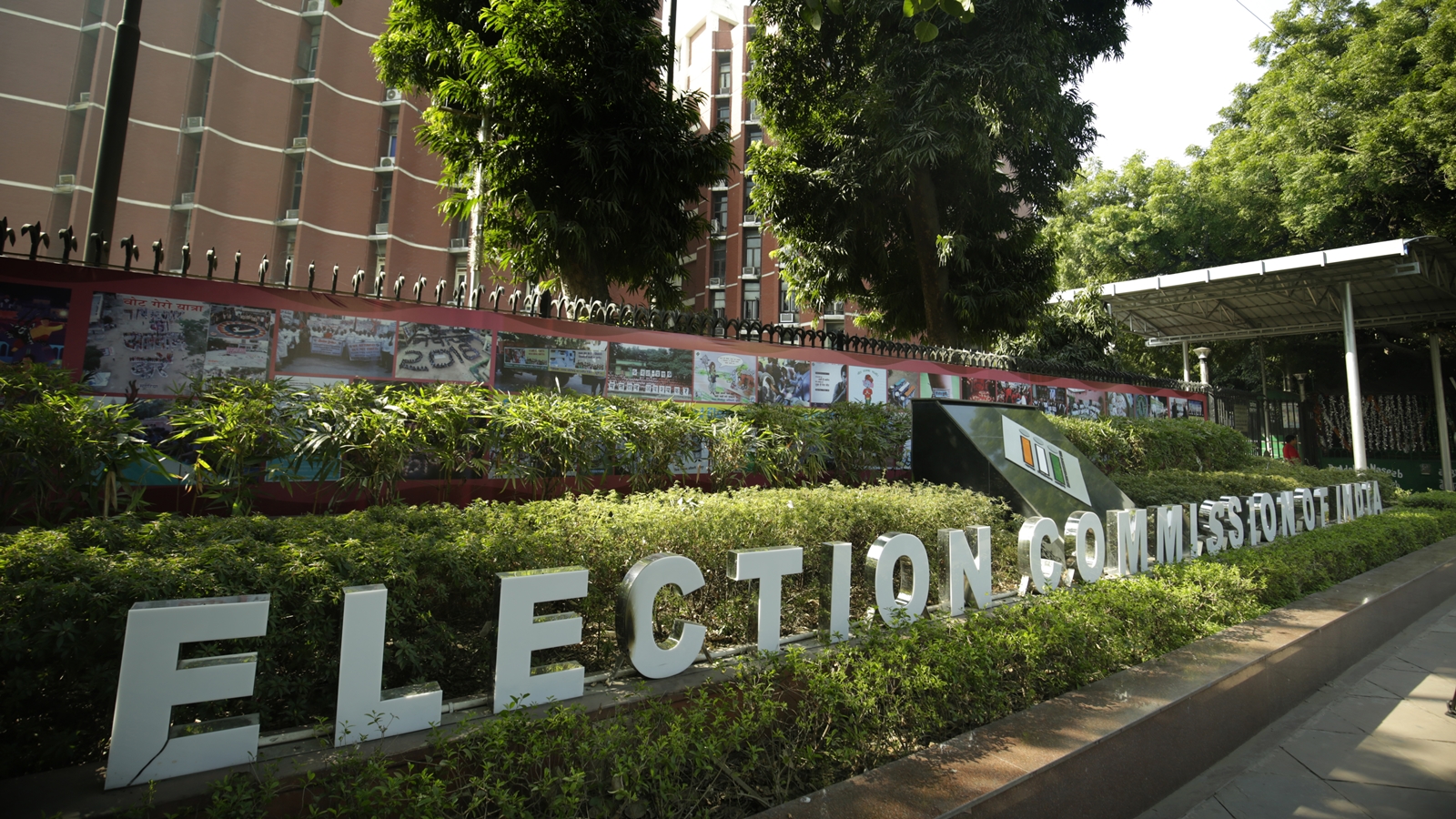
Election Roll Dispute Puts Trust in India’s Machinery Under Scrutiny
Yogi Adityanath Links Public Trust to Stronger Democratic Governance

Venugopal Alleges Conspiracy Against Indian Democracy Over Electoral Rolls
Farooq Abdullah Blames Nehru-Era Mistake for Election Commission Interference
India's Election Commission Faces Calls for Complete Overhaul

Kharge Calls Election Chief a BJP ‘Puppet’ Over Vote Deletions
West Bengal Lok Bhavan Announces Statewide Essay Competition
BJP Names Pune Teachers Candidate as Shiv Sena Stakes Claim

BJP Predicts Record Victory in Gandhinagar Civic Polls

Mamata Banerjee Gives Trinamool Rebels 15 Days to Return
BJP Criticises Congress Over Uttar Pradesh Party Appointments