2 hrs ago
Seven Eye Donation Myths Indians Should Stop Believing
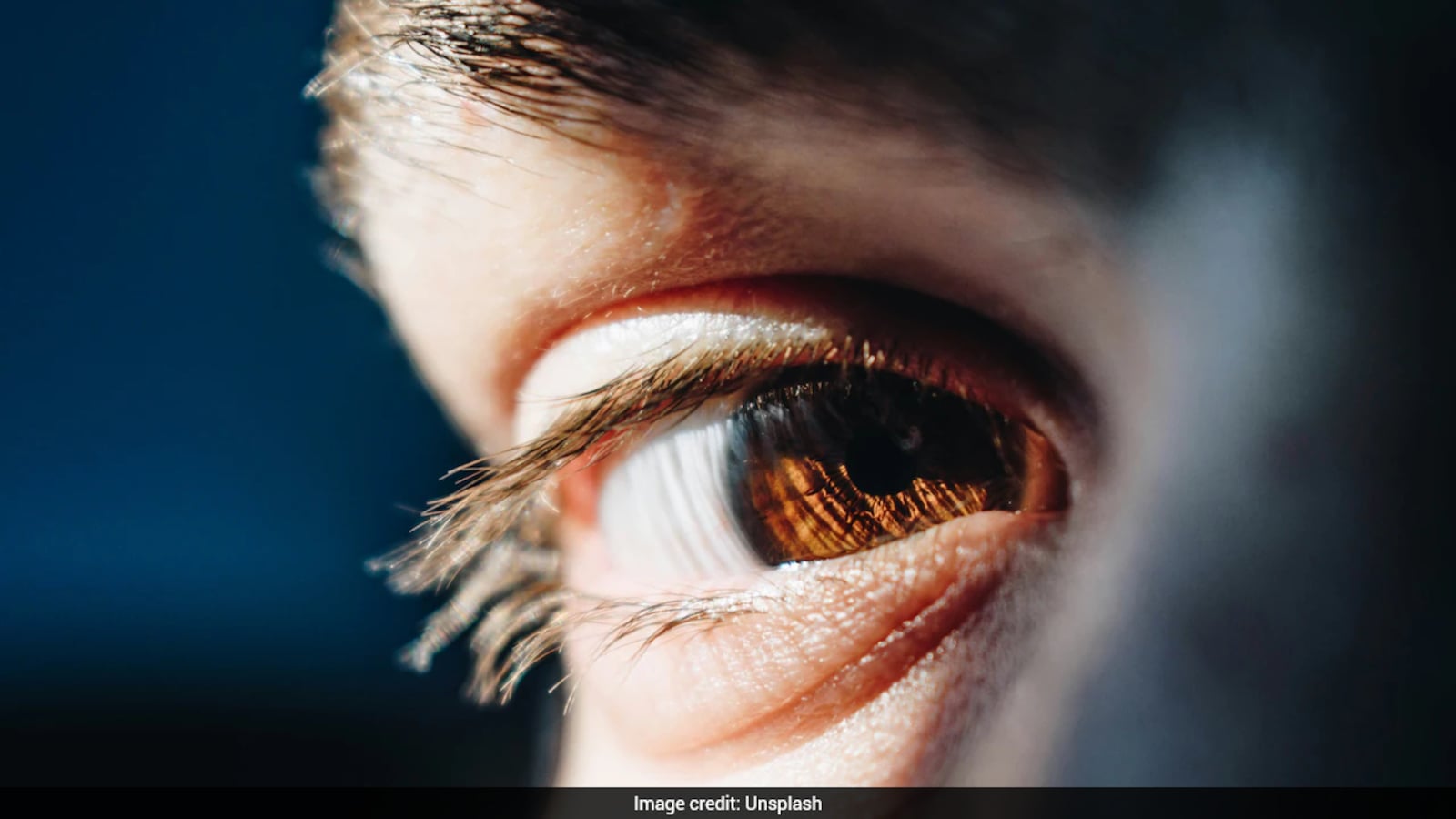
Many people wrongly think glasses or old age make eye donation impossible.
They may still be able to donate their corneas, which are the clear front parts of the eyes.
Cataract surgery, glaucoma, diabetes, or high blood pressure also do not automatically prevent donation.
Doctors check the donated tissue after it is retrieved.
Trained workers can remove the eyes without changing how the face looks.
Families can still hold normal funeral ceremonies.
A person does not always need to be registered beforehand because the family may provide consent after death.
Corneal donation can help some people see again, but it cannot cure every kind of blindness.

Wearing glasses or having myopia, hypermetropia, or astigmatism does not automatically prevent eye donation.
Cataract surgery, glaucoma, diabetes, high blood pressure, and old age do not automatically disqualify donors.
Trained professionals retrieve donated eyes carefully without disfiguring the face or preventing normal funeral rites.
Families should contact an eye bank promptly after death, even if the person was not formally registered as a donor.
Corneal transplants can help selected patients with corneal blindness but cannot treat blindness caused by retinal, optic nerve, or neurological problems.
- Who
- People considering eye donation, their families, eye-bank teams, ophthalmologists, and patients with corneal blindness.
- What
- The article explains and corrects seven common myths about eye donation and corneal transplantation.
- Where
- The guidance is presented for people in India; the author is associated with Amrita Hospital in Faridabad.
- When
- Eye banks should be contacted promptly after a person's death because corneal retrieval is time sensitive.
- Why
- To encourage suitable donations and help restore useful vision for selected patients with damaged or cloudy corneas.
Key facts
- Main donated tissue
- The cornea, the transparent dome-shaped tissue at the front of the eye.
- Glasses
- Myopia, hypermetropia, astigmatism, and wearing spectacles do not automatically disqualify a donor.
- Medical conditions
- Cataract surgery, glaucoma, diabetes, and high blood pressure do not automatically prevent donation.
- Age
- Families should not rule out donation because of age; specialists decide whether tissue is usable.
- Retrieval process
- Trained professionals can retrieve donated eyes without disfiguring the face.
- Family consent
- Families must be informed of the person's wishes and provide consent after death.
- Limits of transplantation
- Corneal transplantation helps selected cases of corneal blindness, not blindness caused by retinal, optic nerve, or neurological problems.
Sources
Related news
Kakinada Collector Calls for Greater Eye Donation Awareness
Ophthalmologists Seek Mandatory Eye-Donation Consent For Driving Licences
Eye Donation Awareness Rally Highlights Vision Benefits in Visakhapatnam
AD Block Puja to Promote Eye Donation Awareness

Indian Paratrooper's Death Leads to Vision-Restoring Organ Donation
World Organ Donation Day: Cancer, diabetes patients not automatically disqualified

Punjab H1N1 Cases Reach 220 as Suspected Death Reported
AI Toothbrushes Promise Smarter Care, But Dentists Stress Basic Habits

National Nutrition Week Promotes A Truly Balanced Plate
H1N1 Recovery: Seven Mistakes To Avoid After Fever