1 hr ago
Dwarkanath Tagore’s Entrepreneurial Legacy Offers Bengal a Revival Blueprint
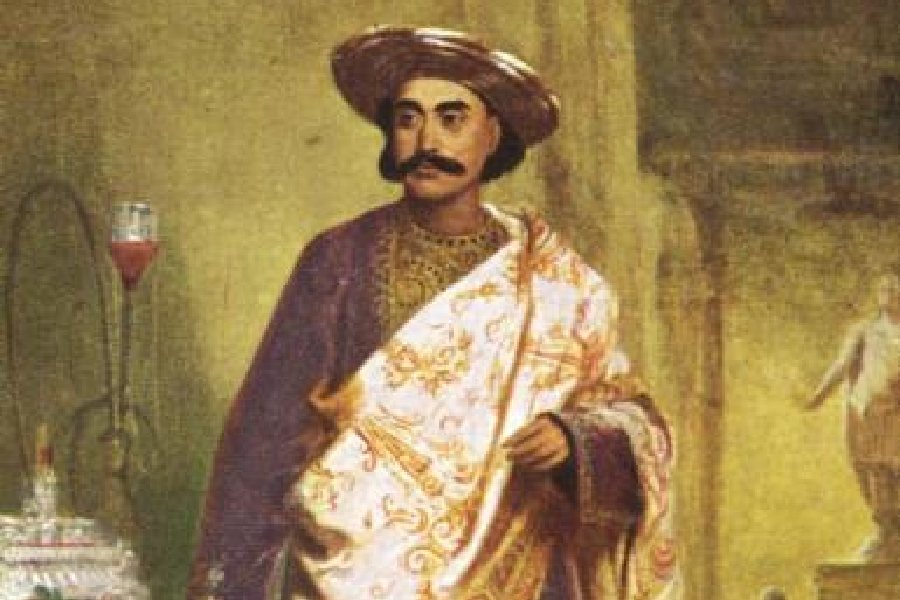
Dwarkanath Tagore was a very successful businessman in 19th-century Bengal.
He started and improved companies in areas such as coal, banking, shipping, tea and exports.
He also supported newspapers and theatre in Calcutta.
One coal mine he bought became one of India’s best.
His bank grew rapidly but later failed after depending too heavily on the indigo industry.
Tagore also experienced failures in sugar and other projects.
The article says later Bengali businesses suffered from nationalisation, closures and an unfriendly business climate.
It argues that Bengal could create more jobs by supporting businesses and new industries.
Possible growth areas mentioned include food processing, health tourism, artificial intelligence and electric-vehicle batteries.

Dwarkanath Tagore built major businesses in banking, coal, shipping, exports, tea and media between 1831 and 1846.
He transformed a struggling Raniganj coal mine into a leading colliery using British and Indian expertise.
His Union Bank became India’s largest bank before later collapsing after excessive exposure to indigo.
Tagore also helped establish the Assam Company and pioneered the managing-agency business model in Bengal.
The article argues that Bengal can revive entrepreneurship through pro-business policies, agri-processing, health tourism, artificial intelligence and electric-vehicle batteries.
- Who
- Dwarkanath Tagore, his business partners and later Bengali entrepreneurs and industrialists.
- What
- The article examines Tagore’s entrepreneurial achievements and argues that his example could help revive business and industry in Bengal.
- Where
- Bengal, including Calcutta, Raniganj and Burnpur, as well as business activities extending to Assam, North India, London and international markets.
- When
- Tagore’s main period of business expansion was from 1831 to 1846; the article also discusses Bengal’s industrial decline over the subsequent decades.
- Why
- The author argues that Bengal needs a more pro-business climate and new industries to address its long-standing loss of investment and employment opportunities.
Key facts
- Entrepreneurial period
- 1831-1846
- Coal venture
- Tagore bought a struggling coal mine in Raniganj in 1835 and developed it into a major colliery.
- Banking achievement
- His Union Bank became India’s largest bank before collapsing two years after he sold his shares in 1845.
- Tea enterprise
- Tagore and William Prinsep helped establish the Assam Company and India’s first tea estates.
- Business model
- Tagore pioneered the managing-agency model later used extensively in British Calcutta.
- Industrial decline
- The article says many major Bengali-owned enterprises were nationalised or closed, contributing to Bengal’s later industrial decline.
- Proposed growth areas
- The article highlights agri-processing, health tourism, artificial intelligence and electric-vehicle batteries.
Sources
Related news

Bengal’s Lost Commercial Heritage Revisited Through Historical Fiction
Aditya Vikram Birla’s Global Vision Built India’s Industrial Giant

Denmark’s Indian Empire Helped Shape the Story of L&T
Book Revisits Batanagar’s Lost Company-Town Community and Legacy
G.D. Birla Linked Enterprise and Production to Living Standards

West Bengal Finance Minister Warns of Decades-Long Economic Decline

Bengal Needs a Common River Agenda with Bangladesh
Rupa Reprints Krishna Dutta and Andrew Robinson's Biography of Tagore
Kolkata Exhibition Showcases Rare Autographs, from Tagore to Ray

Rabindranath Tagore's Boyhood Himalayan Journey with His Father