3 hrs ago
Bengal Needs a Common River Agenda with Bangladesh
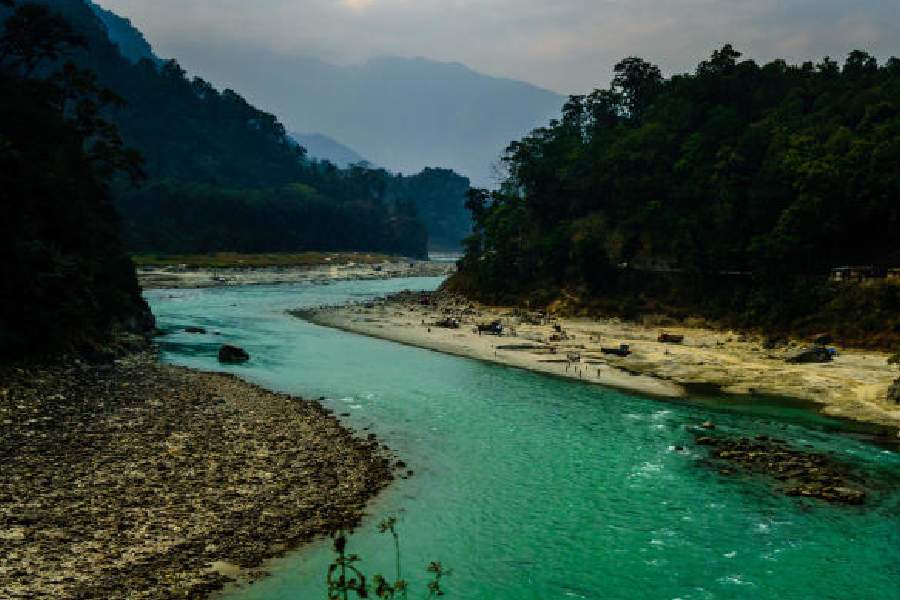
Long ago, rivers connected Bengal, Bangladesh and northeastern India for travel and trade.
Boats carried goods such as jute and coal between important towns and ports.
Partition and the 1965 India-Pakistan War broke many of these connections.
India and Bangladesh later created agreements to reopen some river routes.
However, many waterways still need dredging, better ports, navigation equipment and easier customs procedures.
The article says 2026 may offer a chance for the two countries to cooperate more closely.
It also says India and Bangladesh disagree about water-sharing concerns and the proposed Padma Barrage.
The writer argues that better river transport could support trade, jobs, environmental management and regional cooperation.

Partition and the 1965 war disrupted Bengal’s integrated inland waterway economy.
India-Bangladesh protocol routes have expanded, but navigation infrastructure remains inadequate.
Delays include insufficient dredging, seasonal draft limits, incomplete terminals and customs hurdles.
The article says 2026 could enable closer river cooperation among Delhi, Calcutta and Dhaka.
The Ganga Water Treaty expires in December 2026 amid differing Indian and Bangladeshi priorities.
- Who
- India, Bangladesh, West Bengal and the governments of Delhi, Calcutta and Dhaka are identified as the main actors.
- What
- The article calls for a common India-Bangladesh river strategy focused on inland navigation, trade, water management and infrastructure.
- Where
- The focus is the Bengal delta, the Hooghly-Rupnarayan network, Bangladesh and waterways connecting India’s Northeast with the sea.
- When
- The proposed opportunity is in 2026; the Ganga Water Treaty is due to expire in December 2026.
- Why
- The goal is to restore trade and connectivity while addressing declining navigability, flooding, water-sharing concerns and strategic competition.
India’s Priorities
Bangladesh’s Priorities
Ganga Water Treaty
India’s Priorities
India seeks greater flexibility when the Ganga Water Treaty expires in December 2026.
Bangladesh’s Priorities
Bangladesh seeks assurances about lean-season flows.
Padma Barrage
India’s Priorities
The article presents the proposed Padma Barrage as part of the wider water-management debate.
Bangladesh’s Priorities
Bangladesh remains wary of the proposed Padma Barrage.
River cooperation
India’s Priorities
India is urged to improve navigation infrastructure and use river links to connect the Northeast with ports and neighboring countries.
Bangladesh’s Priorities
Bangladesh is described as seeking water assurances while participating in renewed regional connectivity.
Key facts
- Historical river trade
- Steamers once connected Khulna, Goalundo, Chandpur, Dhubri and the Brahmaputra river system with Calcutta.
- Major disruption
- Partition fractured the river economy, and the 1965 India-Pakistan War suspended inland navigation.
- Transit agreement
- The Protocol on Inland Water Transit and Trade has expanded to 10 routes.
- Infrastructure gaps
- The article cites inadequate dredging, seasonal draft restrictions, delayed terminals and cumbersome customs.
- Proposed priorities
- Suggested measures include accelerating the Kolaghat terminal, establishing Geonkhali as a logistics hub and expanding jetties.
- Treaty deadline
- The 1996 Ganga Water Treaty expires in December 2026.
- Water-sharing concerns
- India seeks greater flexibility, while Bangladesh seeks lean-season flow assurances and remains wary of the proposed Padma Barrage.
Sources
Related news
West Bengal Seeks Safeguards Before Ganga-Padma Pact Renewal

Teesta deadlock tests India-Bangladesh ties as Dhaka seeks China's help
Bangladesh and India Seek Equality-Based Reset in Bilateral Ties
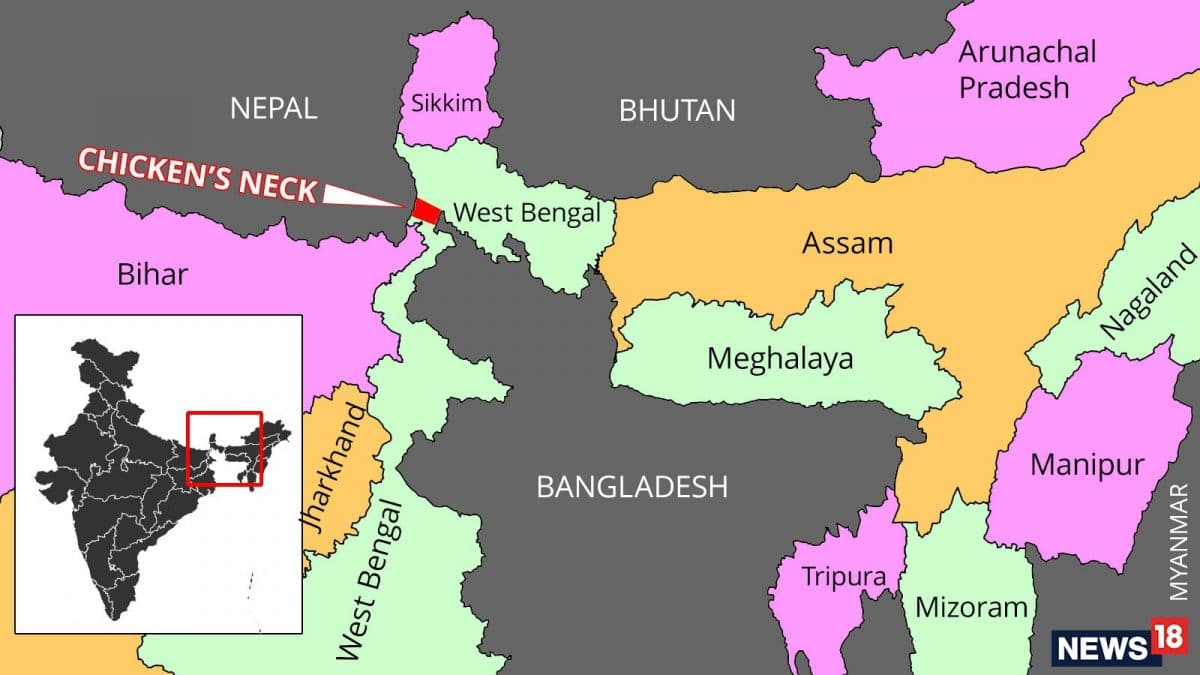
Teesta River Tests India-Bangladesh Strategic Trust Near Siliguri Corridor
Bihar Challenges Farakka Treaty Renewal, Pressuring India’s Central Government
India, Bangladesh Discuss Restarting Suspended Cross-Border Passenger Trains

50th Kolkata Book Fair Marks Vande Mataram’s 150th Anniversary

Gauhati High Court Orders Compensation After Woman’s Deportation

Raghav Productivity Targets Odisha Plant, Aims to Double Market Share
Bihar floods affect 27 lakh as relief expected within days