3 days ago
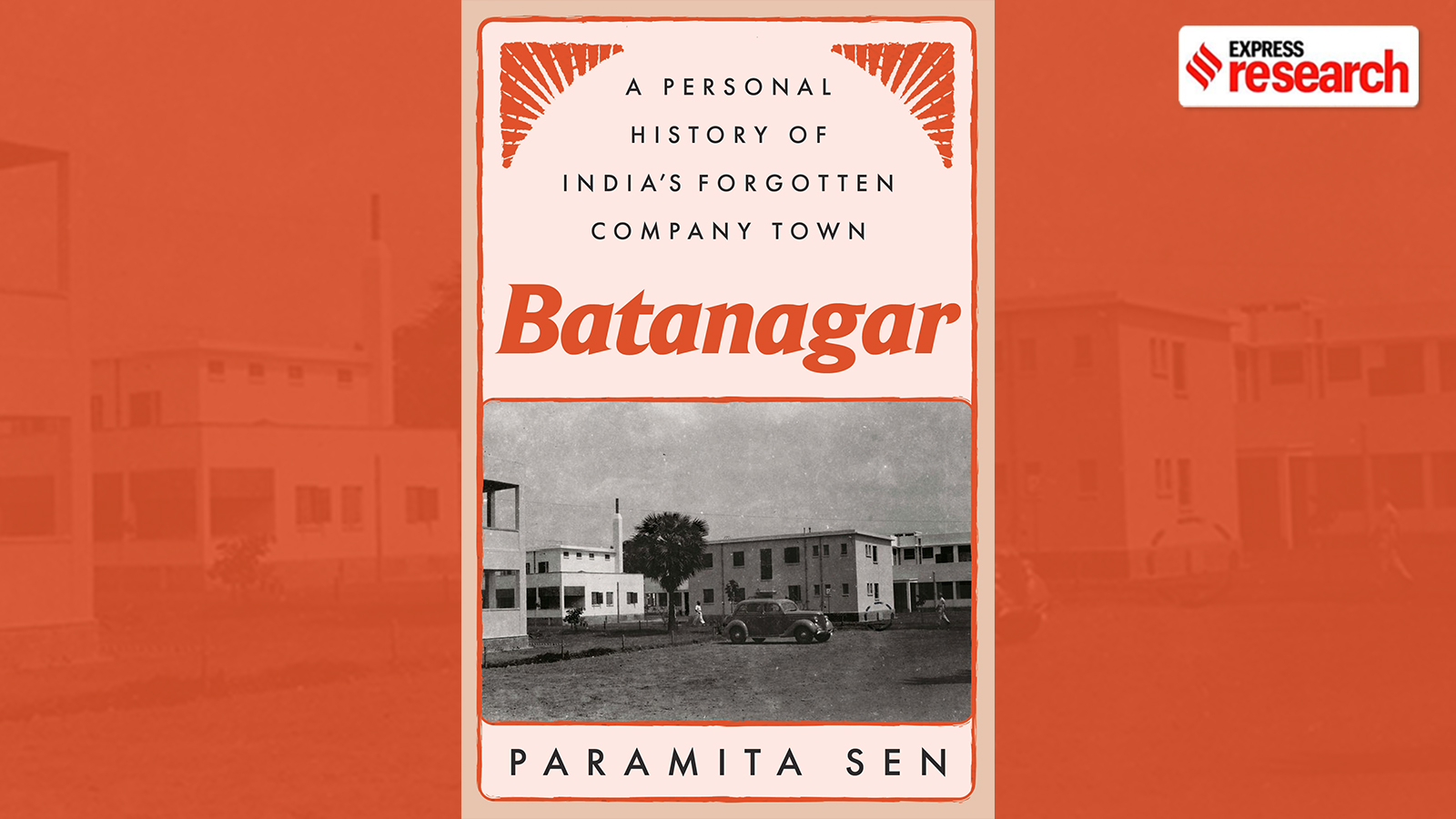
Book Revisits Batanagar’s Lost Company-Town Community and Legacy
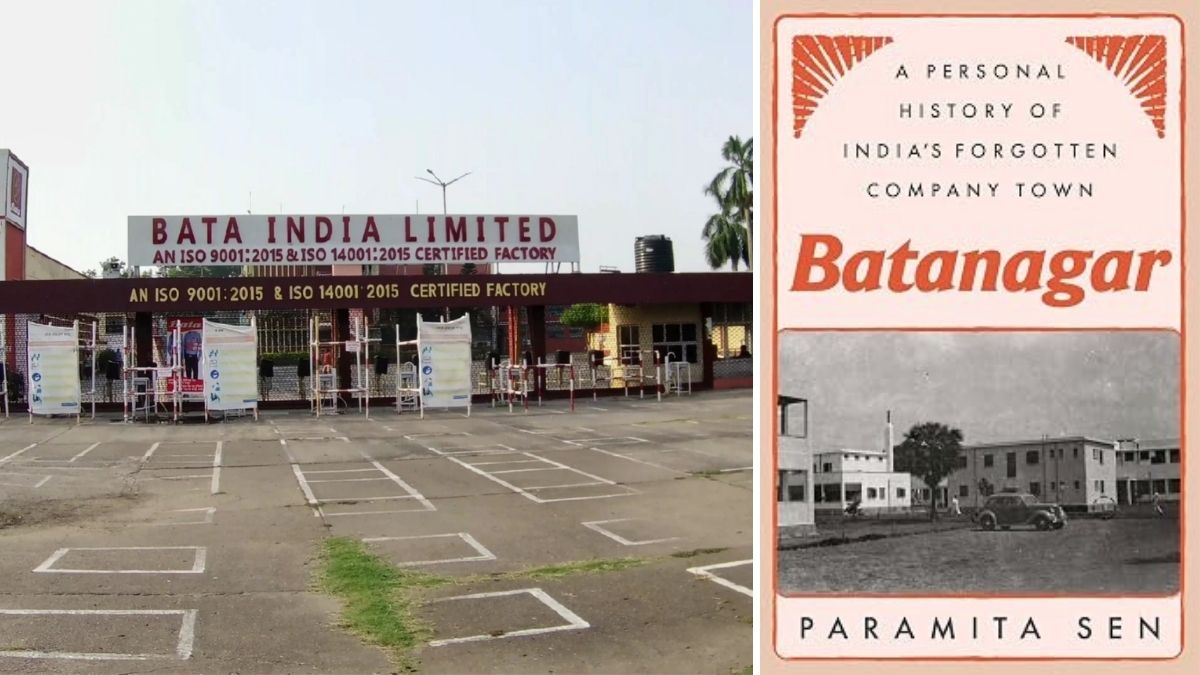
Batanagar was a town built around a shoe factory near Kolkata.
Bata created it so workers and managers could live, study, relax and play near their jobs.
The idea was inspired by a planned industrial town in what is now the Czech Republic.
Paramita Sen grew up there and wrote a book about the community.
She describes festivals, friendships and daily life in the 1970s and 1980s.
She also explains that the town had divisions between managers and factory workers.
Strikes, political conflict, food shortages and economic decline later weakened Batanagar.
The reviewer says the book is valuable for people connected to Bata, but less useful as a detailed study of the company or labour economics.

Batanagar was built by Bata in 1934 near Kolkata as a self-contained township for managers and workers.
Inspired by Tomáš Bata’s Zlín, the township combined housing, education, welfare, clubs, sports facilities and green spaces.
Paramita Sen’s book blends personal memories of 1970s and 1980s colony life with industrial and national history.
The book documents workplace hierarchies, the 1939 labour unrest, wartime shortages, Partition and later labour militancy.
The review praises the book’s evocative tribute but says its analysis of Bata’s performance and labour economics is limited.
- Who
- Paramita Sen wrote the book, which is reviewed by Mohit Hira; the story also concerns Bata’s managers and workers.
- What
- A review of Batanagar: A Personal History of India’s Forgotten Company Town, a memoir and history of Bata’s former company township.
- Where
- Batanagar, on the Hooghly River near Calcutta, now Kolkata, in West Bengal, India.
- When
- Batanagar was established in 1934; the book recalls life there during the 1970s and 1980s, while major production changes occurred by the mid-1980s.
- Why
- The book examines the township’s social architecture, community life, historical conflicts and decline, while asking what is lost when work becomes separated from community.
The Book’s Tribute
The Review’s Critique
Batanagar’s historical importance
The Book’s Tribute
The township represented progressive welfare capitalism, international collaboration and an integrated community built around workers’ lives.
The Review’s Critique
The reviewer acknowledges its achievement but notes that similar company townships had already been established in India by industrial groups such as the Tatas, Birlas and Kirloskars.
Memoir and community life
The Book’s Tribute
Sen’s recollections vividly preserve the cosmopolitan culture, rituals, festivals and camaraderie of Batanagar during the 1970s and 1980s.
The Review’s Critique
The reviewer considers these experiences evocative but not unusual, since similar patterns existed in many close-knit industrial colonies.
Book’s analytical scope
The Book’s Tribute
By combining personal memories with national history, labour conflict and socioeconomic change, the book raises questions about the relationship between work and society.
The Review’s Critique
The reviewer says readers seeking detailed analysis of Bata’s business performance or the period’s labour economics may be disappointed.
Key facts
- Book
- Batanagar: A Personal History of India’s Forgotten Company Town
- Author
- Paramita Sen
- Reviewer
- Mohit Hira
- Publisher
- Pan Macmillan
- Length
- 225 pages
- Price
- Rs 399
- Township founded
- 1934
- Production shift
- By the mid-1980s, Bata moved key production units elsewhere amid labour and economic difficulties in West Bengal.
Sources
Related news
West Bengal Finance Minister Warns of Decades-Long Economic Decline

Sanyal Says Jyoti Basu Helped Create Bengaluru’s IT Hub
5 Kolkata Landmarks Linked to India's Freedom Struggle
How Charnock’s Riverbank Decision Shaped Kolkata’s Modern Identity
India's 80th Independence Day: Sen and Chaterji reflect on freedom
A Childhood Among India’s Early Sugar Mills and Factories
PNB Partners With GYFTR For Credit Card And Travel Benefits

Indian Advertising's Use of Children in Ads
Bata's Survival in India Post-Liberalization