18 hrs ago
Gandhi's Cartoon Legacy Challenges India's Modern Official Crackdowns
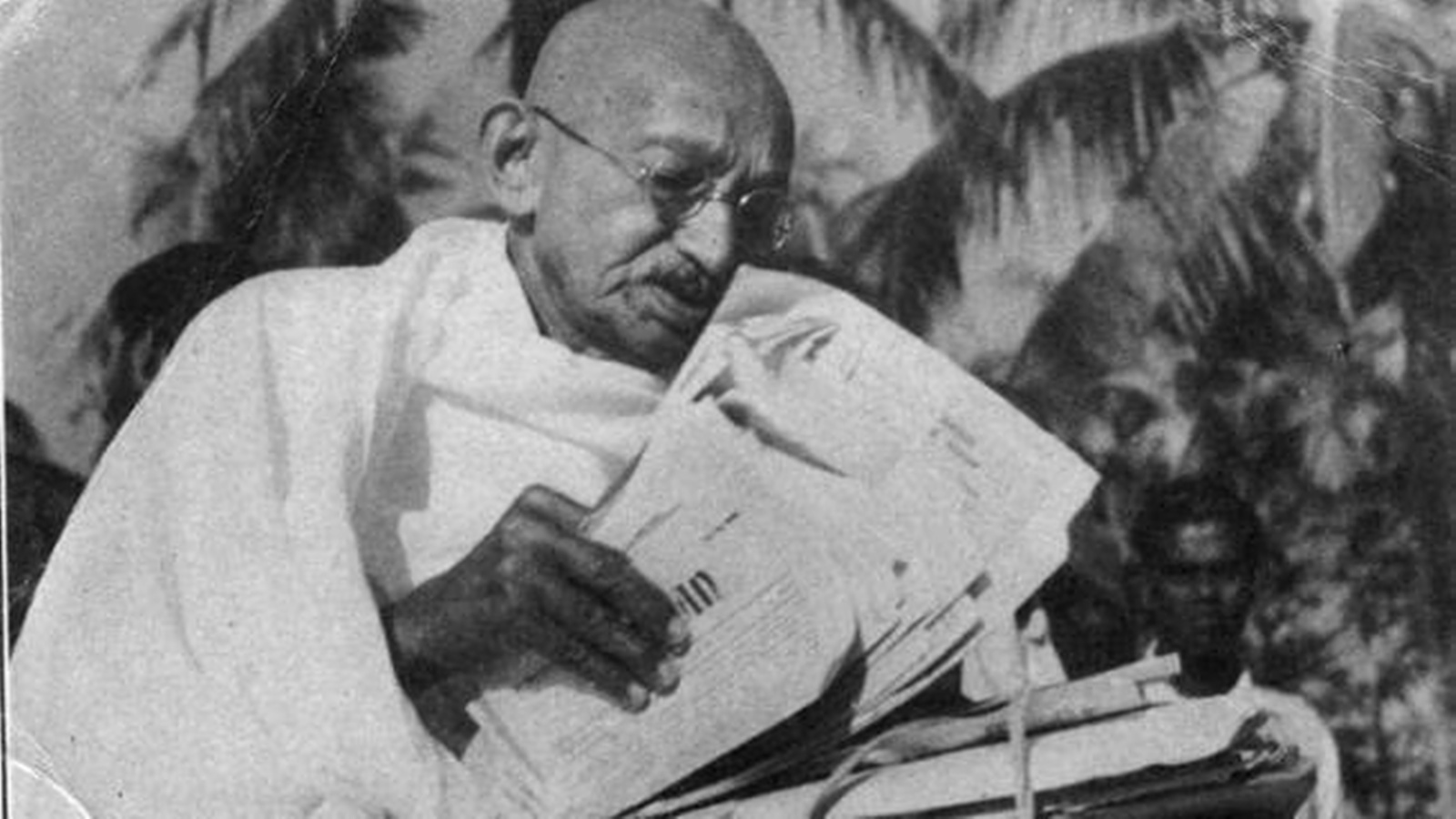
This article says cartoons have long been used to question people in power.
It points to official action against the cartoonists Satish Acharya and Manjul.
The writer compares this with older stories about Jawaharlal Nehru supporting cartoonists.
Mahatma Gandhi also had a strong connection with cartoons.
While editing India Opinion in Johannesburg, Gandhi published cartoons from the English press with translated captions.
He saw cartoons as a way to expose unfairness and keep an argument going.
After returning to India, Gandhi became both a major political leader and a popular subject for cartoonists.
His simple clothes and appearance made him easy for artists to draw.
The writer asks how history can be retold if this important cartoon tradition is suppressed.

The article criticizes official action against cartoonists Satish Acharya and Manjul.
It contrasts current crackdowns with Jawaharlal Nehru’s association with cartoonist Shankar.
Before India’s independence, Mahatma Gandhi published cartoons in India Opinion from Johannesburg.
Gandhi viewed cartoons as a clear, ethical way to challenge political power and sustain public debate.
After Gandhi adopted Khadi in 1921, cartoonists frequently portrayed his distinctive appearance and political role.
- Who
- The article discusses Mahatma Gandhi, Jawaharlal Nehru, cartoonists Satish Acharya and Manjul, and other political cartoonists.
- What
- It examines the historical role of cartoons in political criticism and criticizes official crackdowns on cartoonists.
- Where
- The events discussed took place in India, Johannesburg, and at international political forums including the Round Table conferences.
- When
- The article refers to Gandhi’s work in Johannesburg, his transformation on September 21, 1921, and the current crackdown on cartoonists.
- Why
- The writer argues that cartoons are central to political debate and warns that suppressing them damages how this history is remembered.
Key facts
- Cartoonists targeted
- Satish Acharya and Manjul are identified as facing an official crackdown.
- Gandhi’s publication
- Mahatma Gandhi edited India Opinion in Johannesburg.
- Gandhi’s cartoon practice
- He reprinted cartoons from the English press with Hindi and Gujarati captions.
- Political use of cartoons
- The article says cartoons can challenge power or be used to demonize political rivals.
- Gandhi’s transformation
- On September 21, 1921, he abandoned Western clothing, shaved his head, and adopted Khadi.
- International portrayals
- Western cartoonists including David Low and Daniel Fitzpatrick depicted Gandhi during the Round Table conference period.
- Historical question
- The writer asks how these stories can be retold if cartooning practices are suppressed.
Sources
Related news

BJP-Congress Row Follows Modi Mimicry at Indore Student Event
Meta Restrictions on Indian Cartoonists Trigger Free-Speech Pushback
Historian Links Gandhi’s Satyagraha to Smartphone-Era Youth Protest
Gandhi Statue Dispute, Hindi Assurance, Economy Praise and Arrests
Nine Films and Shows to Watch on Gandhi Jayanti 2026
Bhopal Museum Displays Historic Gandhi Letters, Telegram and Photographs
Sarojini Naidu’s Will and Letters to Be Preserved at UoH
Two Gramophone Records Trace Vande Mataram’s Changing National Status
Masaba Gupta Returns to the Ramp With Playful Bridal Couture

Gandhi's 1931 Passport Reveals His Last Overseas Journey