1 hr ago
WhatsApp Engineers Guide Nepal’s Flood Rescue in Buried Tunnels

A huge flood rushed through Nepal’s Trishuli valley on August 26.
It buried several hydropower plants and their tunnels under mud and rocks.
Some workers may have escaped into the tunnels when the flood arrived.
Engineers created a WhatsApp group to help rescuers understand where the tunnels and rooms are.
They send maps, drawings and information about missing workers.
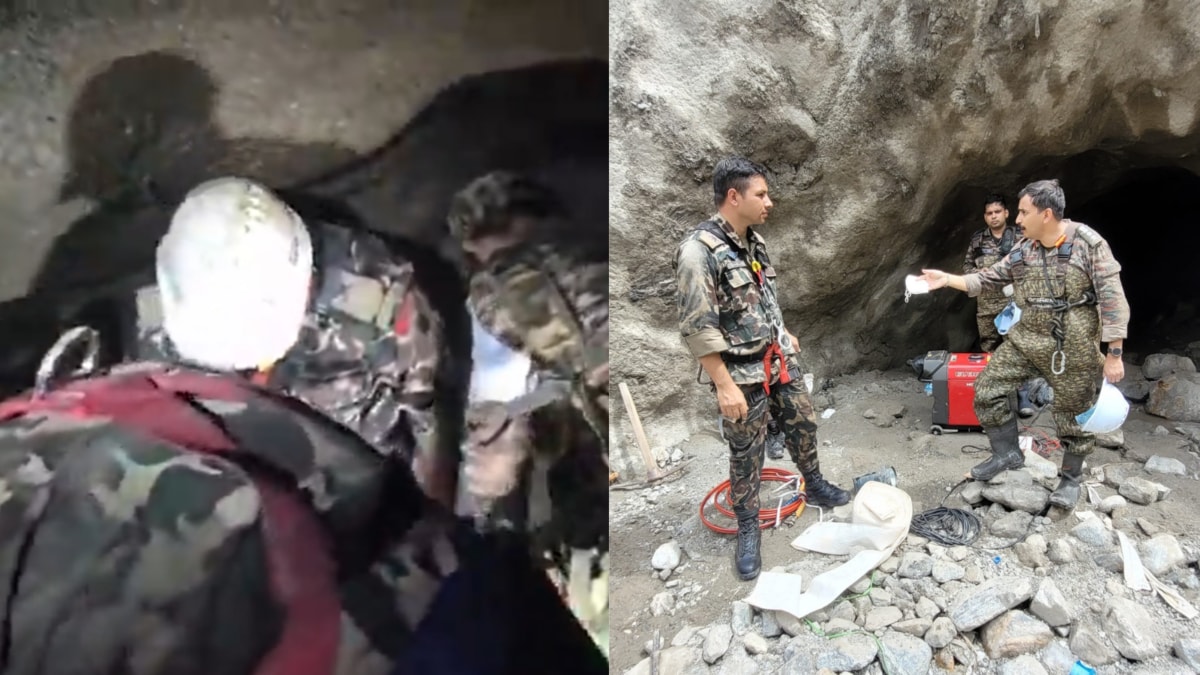
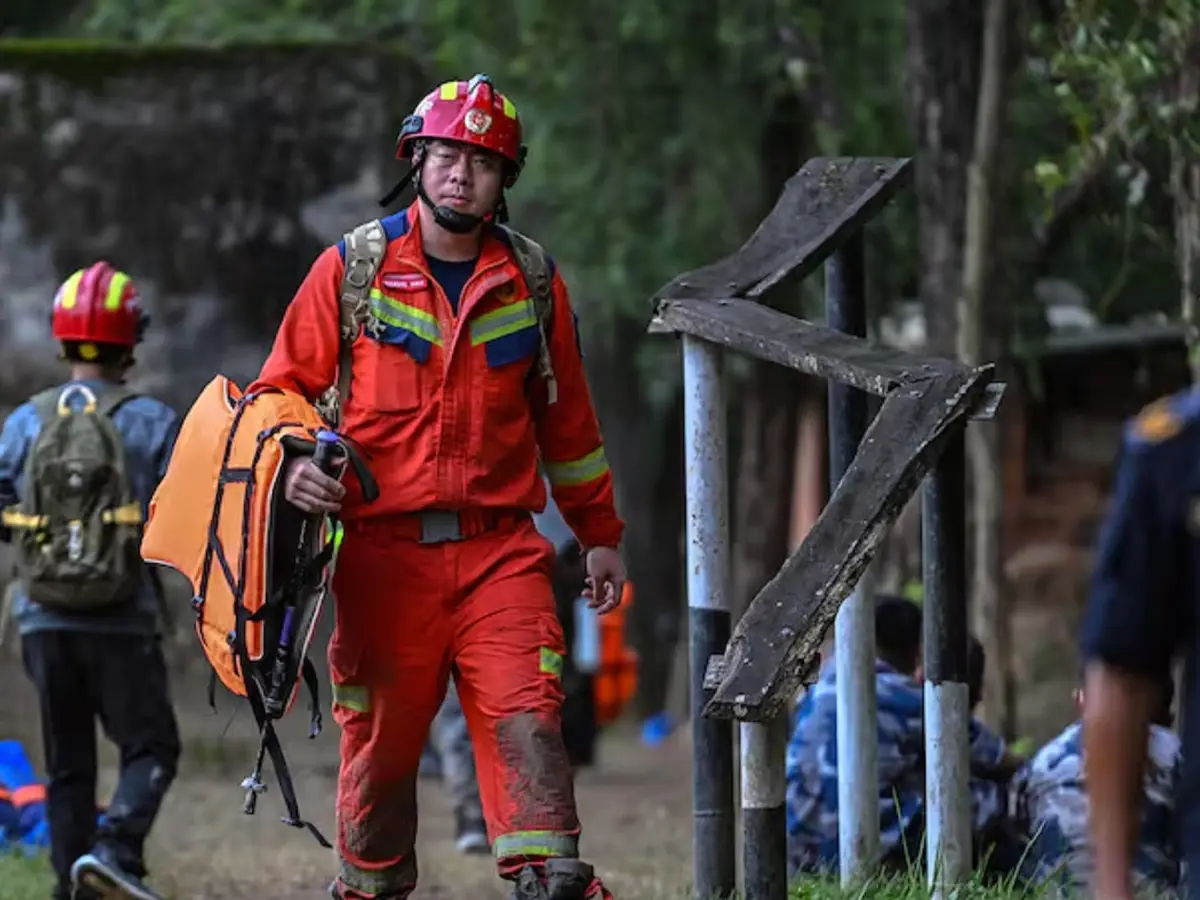
Rescuers are using excavators, oxygen pipes and other equipment to search the tunnels.
Nobody has yet been found alive in the tunnels described in the report.
Families are still waiting and hoping that missing relatives will return.

Engineers are using a WhatsApp group of more than 500 members to guide searches inside tunnels at six damaged hydropower plants.
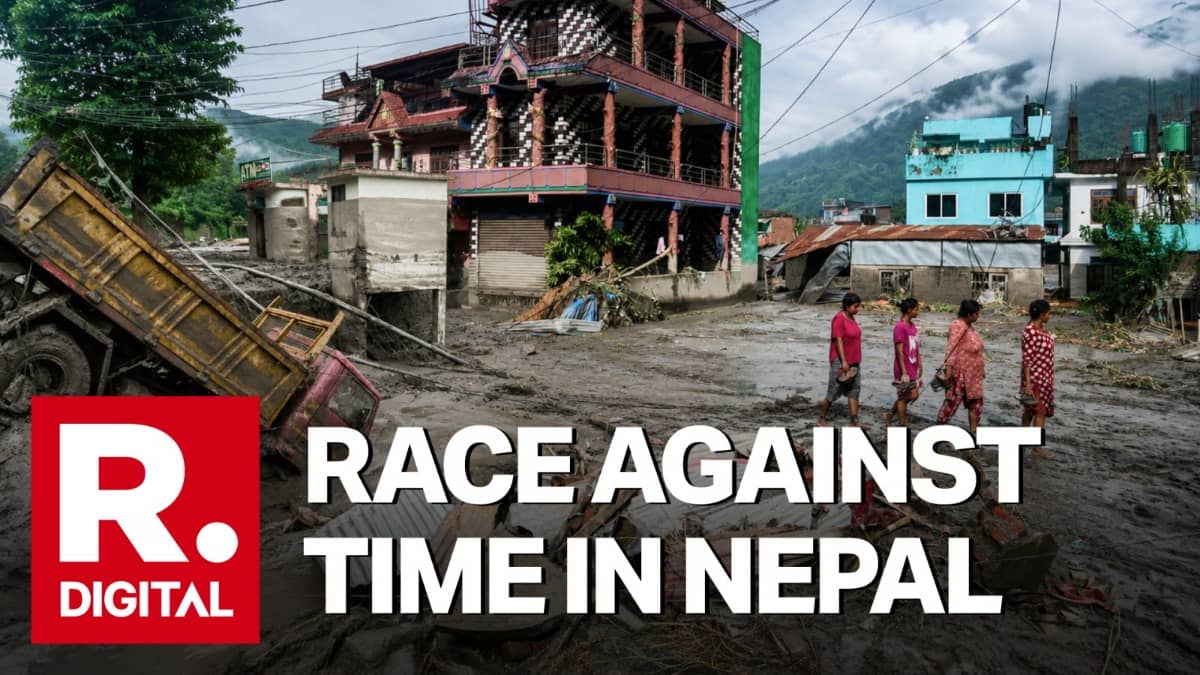
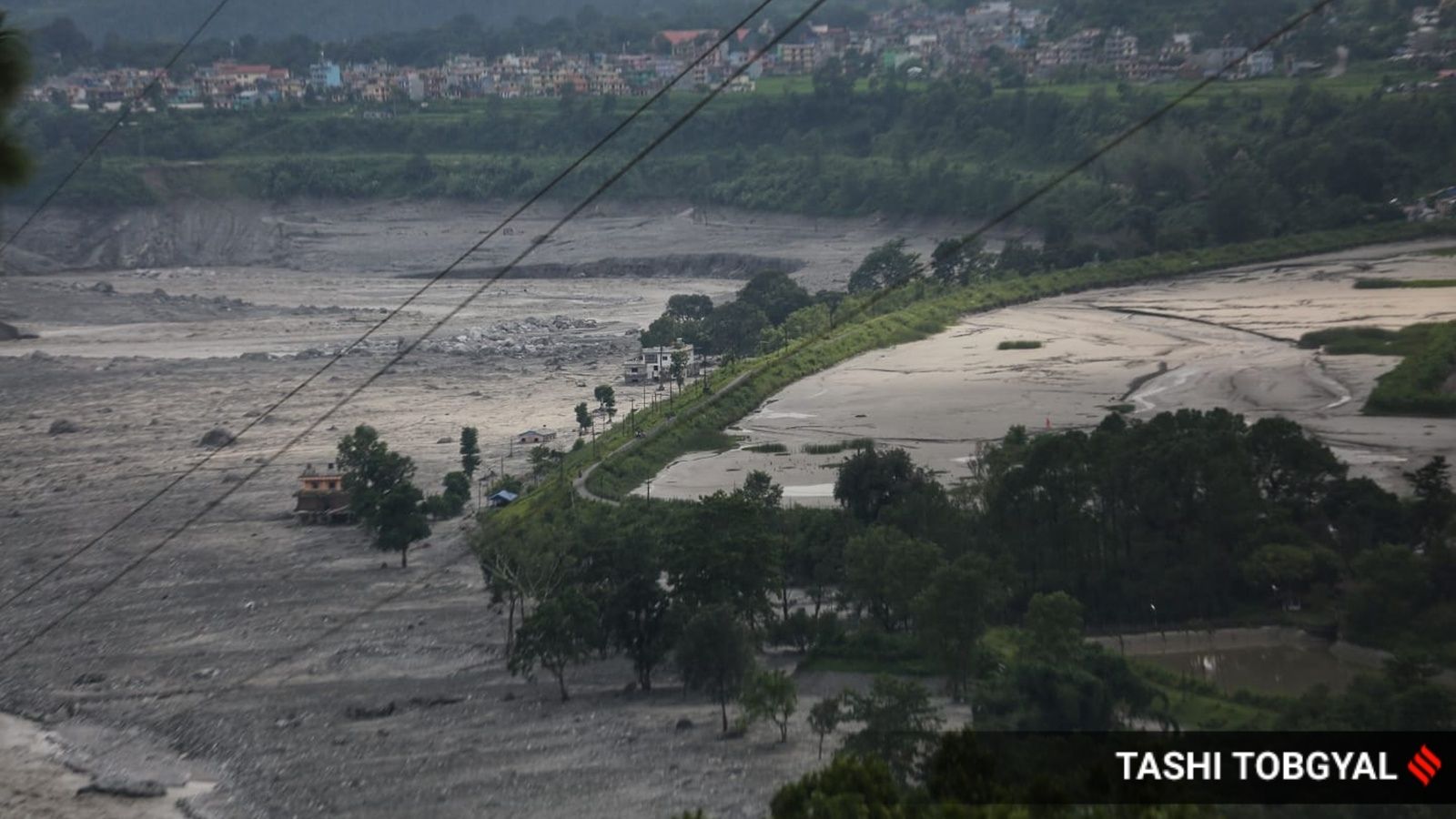
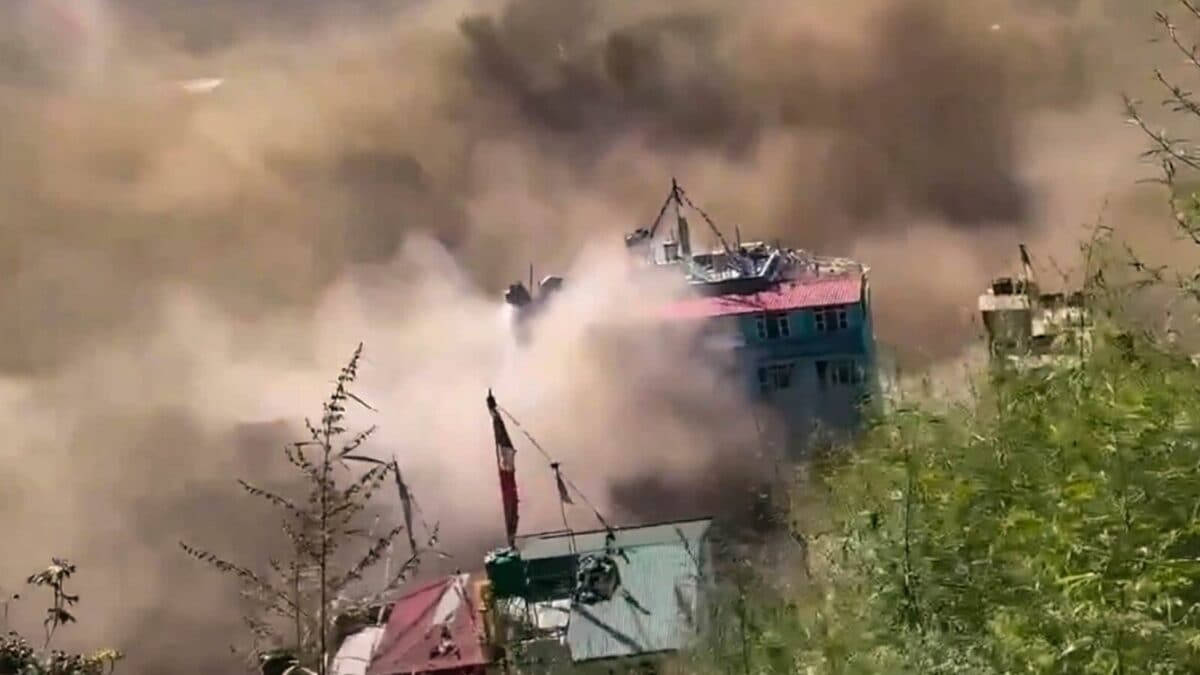
A flash flood swept through Nepal’s Trishuli valley on August 26, burying tunnel entrances under mud, rocks and debris.
Rescuers have received tunnel layouts, worker contact details and technical advice through the messaging group.
Officials said people may still be trapped at several sites, including 46 potentially at Rasuwagadhi and at least eight at Chilime.
The disaster killed more than 1,200 people, left thousands missing and destroyed 10% of Nepal’s electricity-generation capacity.
- Who
- Nepali rescue workers, engineers, government and military officials, hydropower employees and families of missing workers.
- What
- Rescue teams are searching tunnel networks at flood-damaged hydropower plants with technical guidance shared through a WhatsApp group.
- Where
- Nepal’s Trishuli valley, including the Chilime, Rasuwagadhi and Upper Trishuli hydropower sites near the Chinese border.
- When
- The flood struck on August 26; the Reuters report was published September 4, after more than a week of rescue efforts.
- Why
- The flood buried or blocked tunnel entrances and may have trapped workers inside, making engineering knowledge essential for reaching possible survivors.
Key facts
- WhatsApp group
- More than 500 members, including engineers and other experts.
- Flood date
- August 26.
- Reported deaths
- More than 1,200 people were killed, according to the report.
- Missing people
- Figures differed: the report cited about 900 people linked to six hydropower plants, while another estimate said more than 4,000 people remained missing overall.
- Potentially trapped
- At least eight people were reported possibly trapped at Chilime, and 46 at Rasuwagadhi.
- Debris
- An estimated 2.2 million tonnes of mud and debris covered the valley.
- Power capacity lost
- The flood wiped out 10% of Nepal’s electricity-generation capacity.
Quotes
Amshu Kiran Shahi
Board member of the Nepal Electricity Authority
“The flood has altered the terrain around the tunnels and changed their structure, while mud, rocks, soil and other debris had accumulated inside. This is not a normal closure of tunnels.”
 theprint.in
“Whenever I look outside, I imagine seeing him carrying a bag and coming home, just as he used to.”
theprint.in
Sources
Related news
Nepal Searches for 933 Hydropower Workers Missing After Floods
Nepal Intensifies Rescue for Workers Trapped in Hydropower Tunnels
Nepal Tunnel Rescue Race Against Time After Devastating Floods
Nepal Floods Leave 933 Hydropower Workers Missing in Tunnels

Nepal Floods Leave Hydropower Workers Trapped as Rescues Continue
Nepal Flood Rescue Hopes Dim as Tunnel Searches Continue
Nepal Floods Prompt LDCs to Demand Urgent Climate Finance
Global roundup spans space launch, diplomacy, conflicts and politics
Why Himalayan Early Warning Systems Fail as Disaster Risks Rise
Centre Approves Four-Lane Highway Through Strategic Siliguri Corridor