

1 hr ago
‘Got Japan’ Controversy Exposed Caste, Community, and Belonging in Kumaon
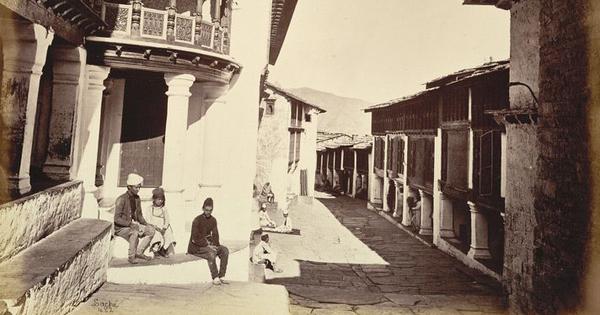
Bholadutt Pande was a young Brahmin from Almora who traveled overseas to study.
He went to Japan and the United States in 1906.
When he came back in 1910, many people argued that sea travel had made him ritually impure.
Some people wanted him accepted, while others wanted him excluded.
The argument became so serious that families stopped eating together and even stopped speaking.
Kumaonis called this crisis “getting Japan.”
Letters from the time show how ordinary visits, meals, and family gatherings helped hold the community together.
They also show how the community could punish people who broke its rules.
The story suggests that belonging can provide support while also limiting individual freedom.

In 1906, Almora Brahmin Bholadutt Pande traveled to Japan and the United States for educational opportunities.
His return to Almora in 1910 triggered a dispute over whether overseas travel violated caste-Hindu ritual purity.
The controversy, called “getting Japan” in Kumaoni, divided families and clans across Almora.
Letters from 1911 show relatives refusing meals, visits, and communication over Pande’s community status.
The episode revealed how everyday sociability, political power, and community rules shaped belonging among Kumaoni Brahmins.
- Who
- Bholadutt Pande, an Almora Brahmin, and the Kumaoni Brahmin community, especially families in the Champanaula area.
- What
- A controversy over whether Pande’s overseas travel had violated caste-Hindu rules and affected his community status.
- Where
- Almora, in the Kumaon region of British India; Pande also traveled to Japan and the United States.
- When
- Pande traveled in 1906, returned in 1910, and the cited family letters were written in 1911.
- Why
- Overseas travel was considered potentially incompatible with maintaining the ritual purity required by caste-Hindu practice, while broader changes were shifting the sources of social status and community belonging.
Reformers and Overseas Travelers
Conservatives and Ritual Traditionalists
Acceptance of overseas travel
Reformers and Overseas Travelers
Overseas education and travel offered new opportunities and represented changing sources of social capital beyond traditional clans.
Conservatives and Ritual Traditionalists
Sea travel and extended residence abroad were seen as threatening the ritual purity required of caste-Hindus.
Pande’s community status
Reformers and Overseas Travelers
Pande’s supporters or reform-minded residents argued that his journey should not permanently exclude him from the community.
Conservatives and Ritual Traditionalists
Traditionalists argued that his overseas travel changed his status and justified social separation.
Meaning of community
Reformers and Overseas Travelers
Community could adapt to new ambitions, political changes, and wider economic opportunities.
Conservatives and Ritual Traditionalists
Community depended on shared rituals, social rules, family networks, and everyday practices that members were expected to uphold.
Key facts
- Central figure
- Bholadutt Pande, a young Brahmin from Almora
- Overseas journey
- Pande traveled to Japan and the United States in 1906
- Return
- He returned to Almora in 1910
- Local name
- The controversy was called “getting Japan” in Kumaoni
- Primary evidence
- Letters written in 1911, particularly concerning a Pande Brahmin family in Champanaula
- Main divisions
- Families and clans split over whether Pande should be accepted or ostracized
- Book source
- Brahmins of the Himalaya: Upper-Caste Ways of Belonging, 1850–1950, by Sanjay Joshi
Quotes
Bholadutt Pande
A Kumaoni Brahmin whose overseas travel triggered the controversy discussed in the article
“I have no desire to be in your community – the community of the Kumaon people.”
 scroll.in
Sources
Related news

Bengal BJP chief’s Gupta-Jaiswal remarks trigger political row
Chandu Maheria’s Memoir Brings India’s Caste History Home

To make India Vishwaguru, bring marginalised communities into mainstream: Bhagwat

J&K Forum Condemns Kashmir, Bihar Jokes by Comedians
BJP MLA's Son's Foot-Washing Ceremony Sparks Tribal Dignity Controversy
Nepal Floods Leave Bhopal Families Awaiting News of Missing Relatives

Uttarakhand CM Dhami Promises Action on Kumaon Traders’ Concerns

Nanda Devi Fair Brings Religious and Cultural Celebrations to Almora
Nepal May Have Lost Original 1816 Sugauli Treaty Documents

Railways approve Achhnera-Tanakpur Express halt at Banbasa station