

2 weeks ago
Mosquito Bites Could Become Malaria Vaccine Boosters, Mouse Study Finds
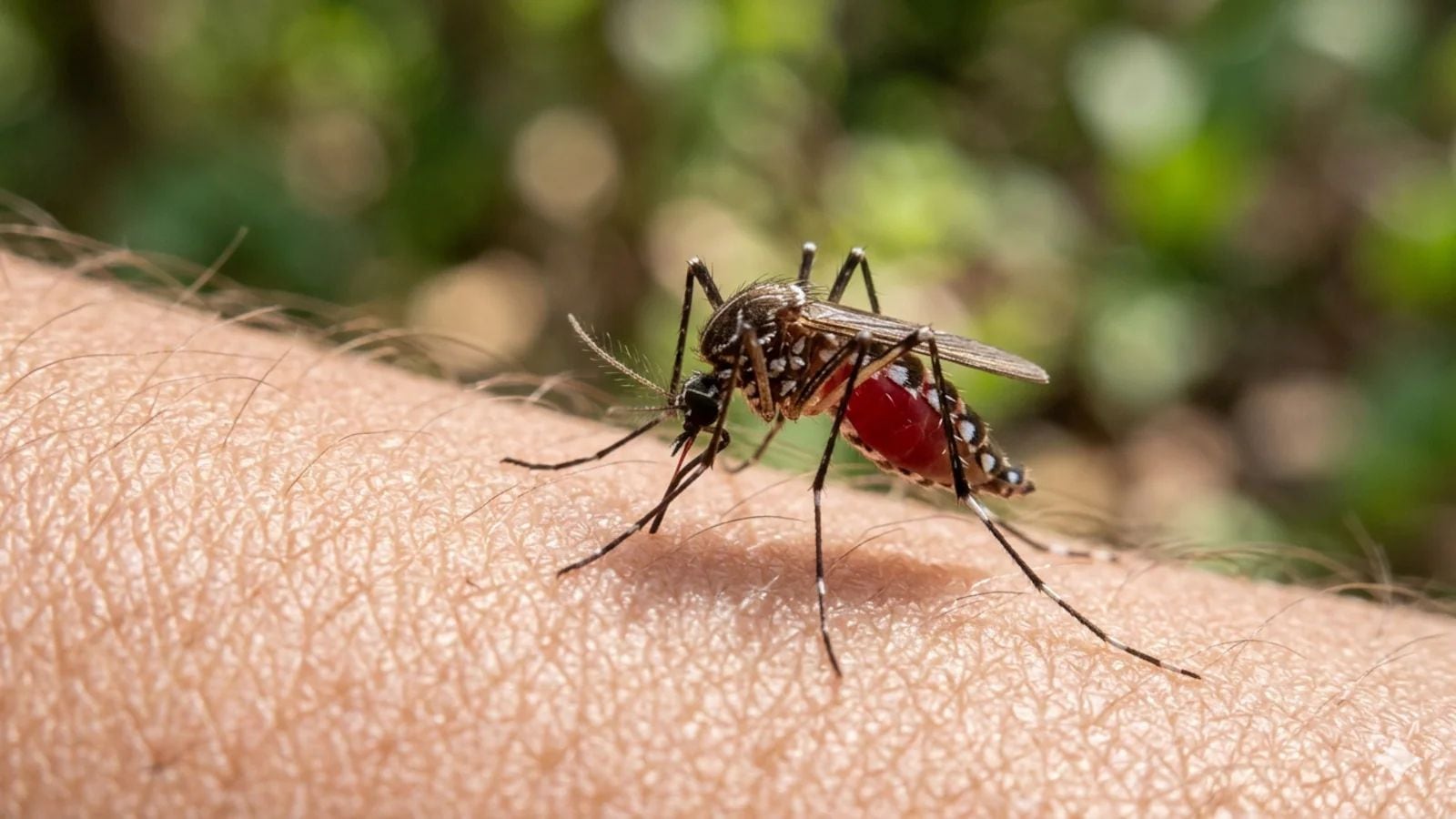
Scientists in Australia are studying malaria, a very bad illness that mosquitoes can spread when they bite people.
They found a clever new idea: a mosquito bite might one day help protect you from malaria instead of giving it to you.
They gave mice a special medicine together with small doses of malaria parasites from mosquito bites.
The medicine stopped the parasites in the liver, just before they could make the mice sick.
This gave the mice's immune system, their body's defense team, a chance to look at the parasite closely.
The immune system learned how to fight malaria and remembered it for a long time.
Later mosquito bites even acted like extra booster shots, making the protection stronger.
The mice stayed safe from malaria for a long time.
However, this only worked in mice so far, and it is not ready for people yet.
Scientists say we should never try to get bitten by malaria mosquitoes on purpose, but this research could help make better malaria vaccines in the future.

Scientists from the Walter and Eliza Hall Institute of Medical Research (WEHI) in Australia developed an experimental approach where malaria-carrying mosquito bites act as natural vaccine boosters.
The approach protected mice from malaria for an extended period, according to a study published in Science.
Experimental drugs WM382 and MK-7602 blocked two proteins, plasmepsin IX and X, stopping parasites just before the disease-causing stage.
The immune response triggered both antibodies and CD8+ T cells, including liver-resident memory T cells that could fight future infection.
Researchers stressed people should not deliberately expose themselves to malaria-infected mosquitoes, as the findings remain at the preclinical animal-study stage.
- Who
- Scientists from the Walter and Eliza Hall Institute of Medical Research (WEHI) in Australia, including Associate Professor Justin Boddey
- What
- Developed an experimental vaccination approach in which malaria-carrying mosquito bites act as natural vaccine boosters, protecting mice from malaria for an extended period
- Where
- Conducted at WEHI in Australia
- When
- Publication date not specified in the article; the study was published in the journal Science
- Why
- To help develop new ways of providing longer-lasting protection against malaria by letting the immune system study the parasite without it causing illness
Key facts
- Institution
- Walter and Eliza Hall Institute of Medical Research (WEHI), Australia
- Lead researcher
- Associate Professor Justin Boddey
- Journal
- Science
- Study stage
- Preclinical, animal (mouse) study
- Experimental drugs
- WM382 and MK-7602
- Drug targets
- Plasmepsin IX and X proteins
- Key finding
- Protected mice from malaria for an extended period
- Immune response
- Antibodies and CD8+ T cells, including liver-resident memory T cells
Quotes
Justin Boddey, Associate Professor, WEHI
Associate Professor at the Walter and Eliza Hall Institute of Medical Research
“Using this new drug compound, we've found a way to turn mosquito bites - the very thing that spreads malaria - into vaccination events in mice. This represents a shift in the way drugs could be employed to prevent malaria.”
 NDTV
NDTV
Sources
Related news

Imported Mosquito on Plane Linked to Two German Malaria Deaths
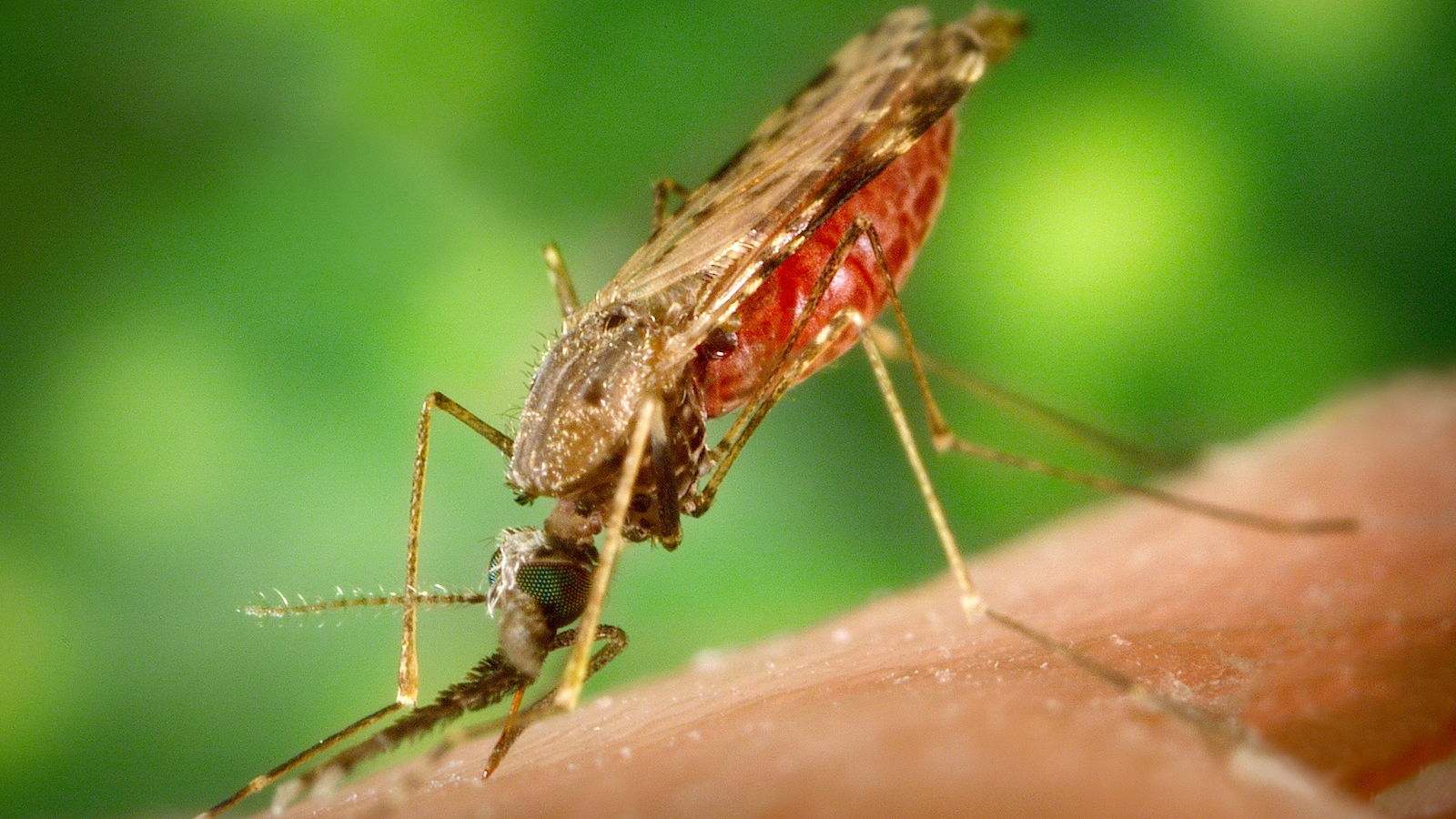
Airport Malaria Outbreak Kills Two Frankfurt Workers
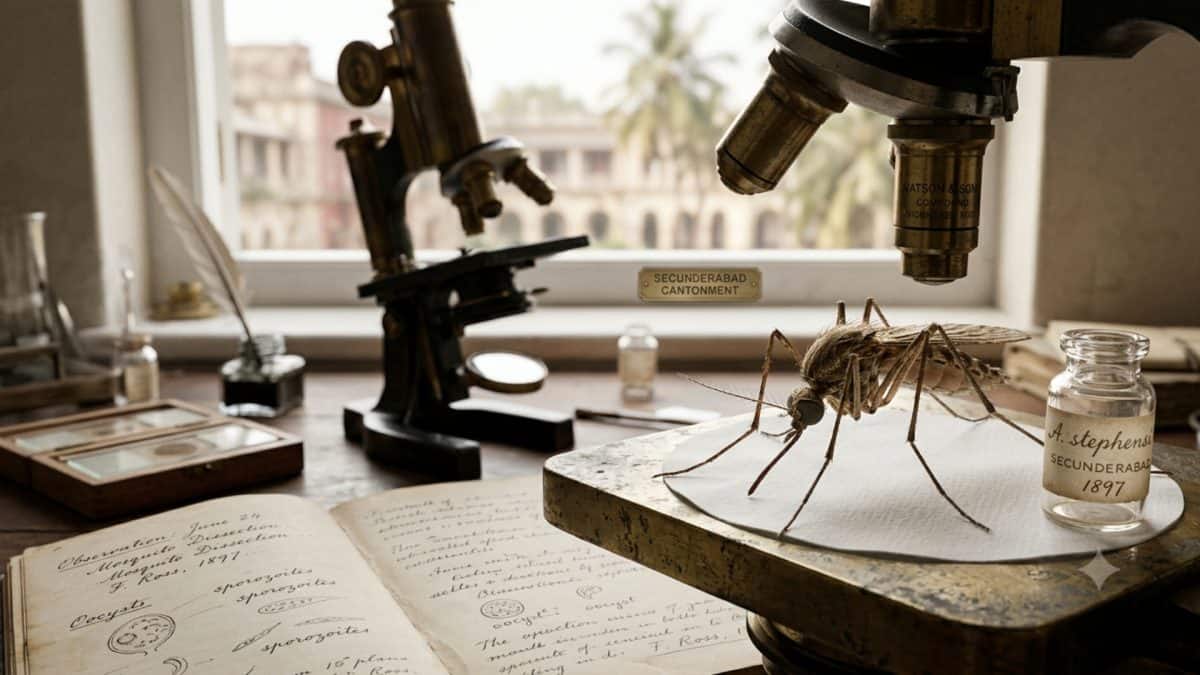
Why World Mosquito Day Honors Ronald Ross’s India Discovery
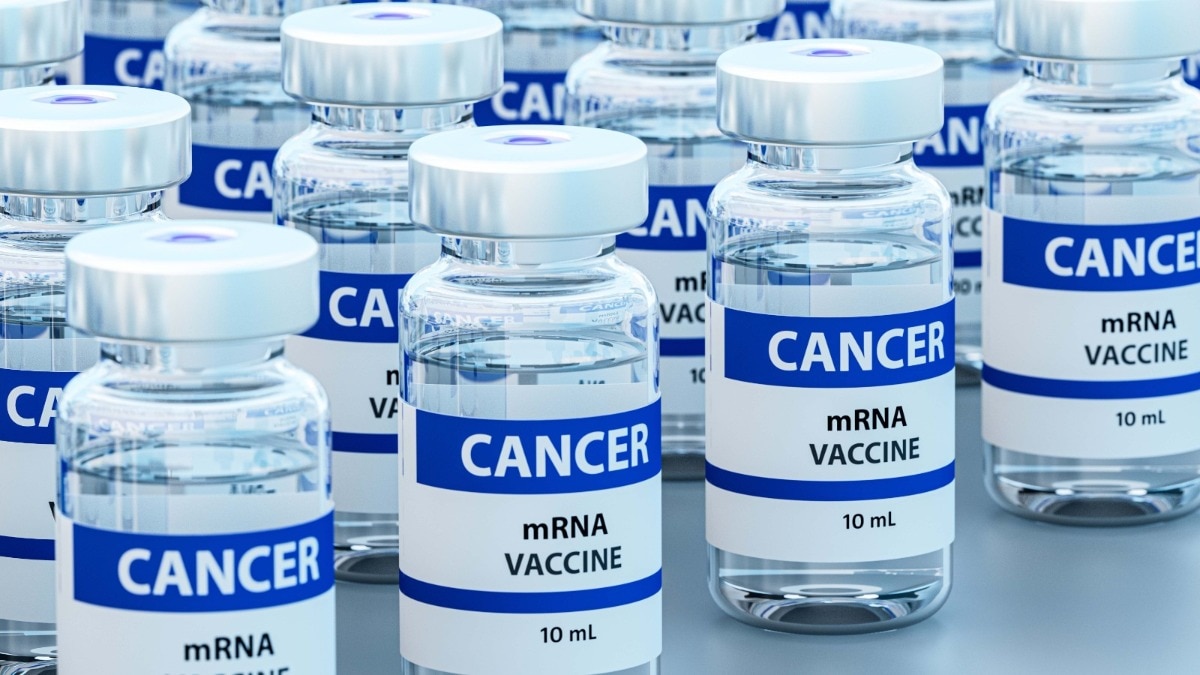
Moderna Cancer Vaccine Shows Early Melanoma Recurrence Benefits
Little Brown Bats Offer Clues to Cancer Resistance

Maharashtra, Australia Plan Biomanufacturing Task Force for Joint Growth

India Replaces Sri Lanka as 2027 Women’s Champions Trophy Host

Mitsubishi Revives Pajero With 201PS Fifth-Generation SUV

IIM-Born CEO Says Australia’s Everyday Life Runs on Trust

UN Report Says 1.5°C Overshoot, Return Remains Possible
