1 day ago
Kurnool Waste Management Projects To Expedite For Cleaner Garbage Disposal
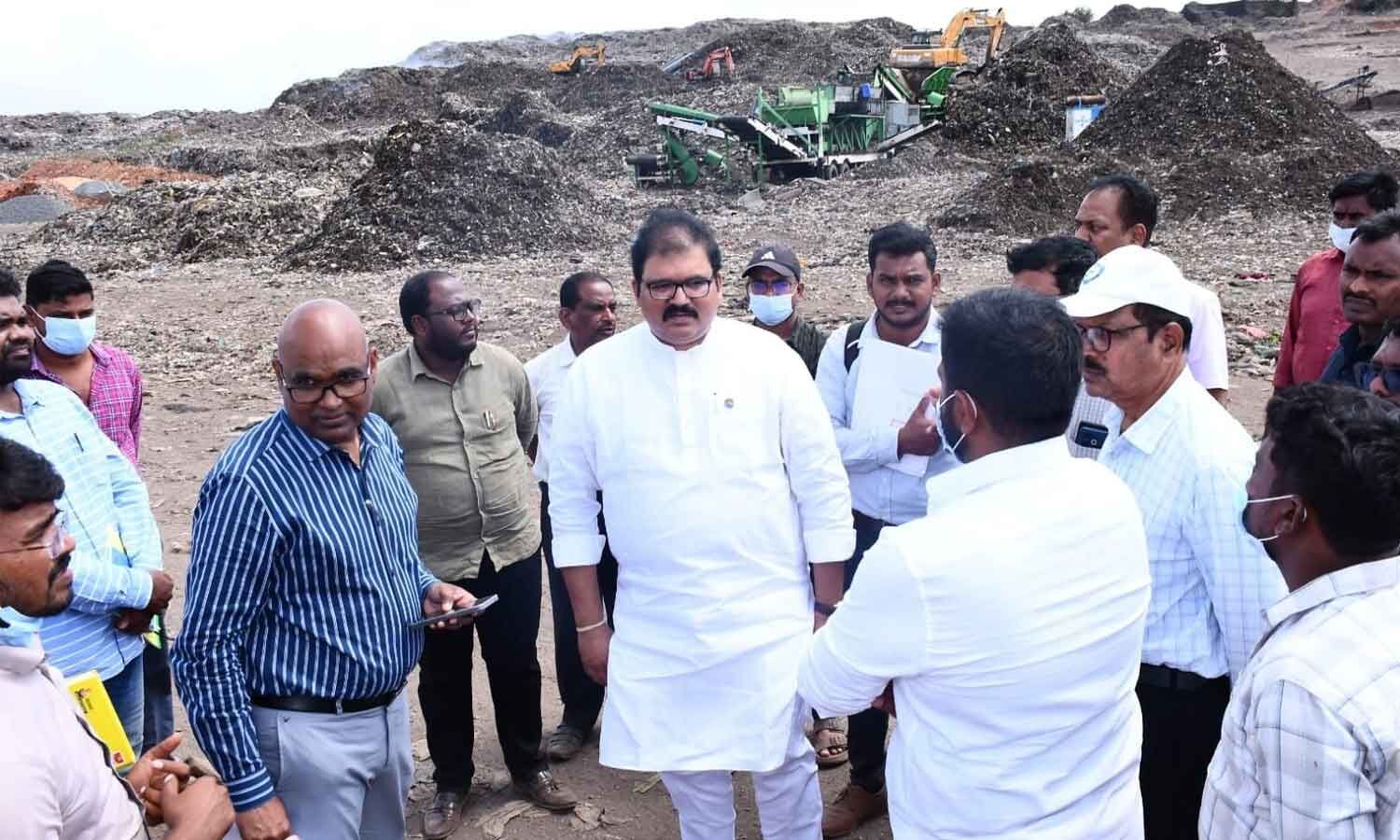
Kurnool has a very large amount of old garbage in two dump yards.
Officials are cleaning this old garbage through a scientific process called bio-mining.
A new Waste-to-Energy plant will be built at Gargeyapuram.
It is expected to make electricity from fresh city waste.
The plant is estimated to cost Rs 330 crore.
Another facility will turn daily garbage into materials that can be reused.
This second plant is designed to process 200 metric tonnes of waste each day.
Officials were asked to complete both projects quickly and properly.

Nearly 10 lakh metric tonnes of legacy waste are spread across 60 acres at Gargeyapuram and Joharapuram dump yards.
The legacy garbage is undergoing scientific bio-mining remediation.
A Rs 330 crore Waste-to-Energy plant is planned on 15 acres at Gargeyapuram under the PPP model.
An Integrated Solid Waste Management Plant is being developed on 9.5 acres at a cost of Rs 8 crore.
Officials and contractors were directed to meet project timelines and maintain quality standards.
- Who
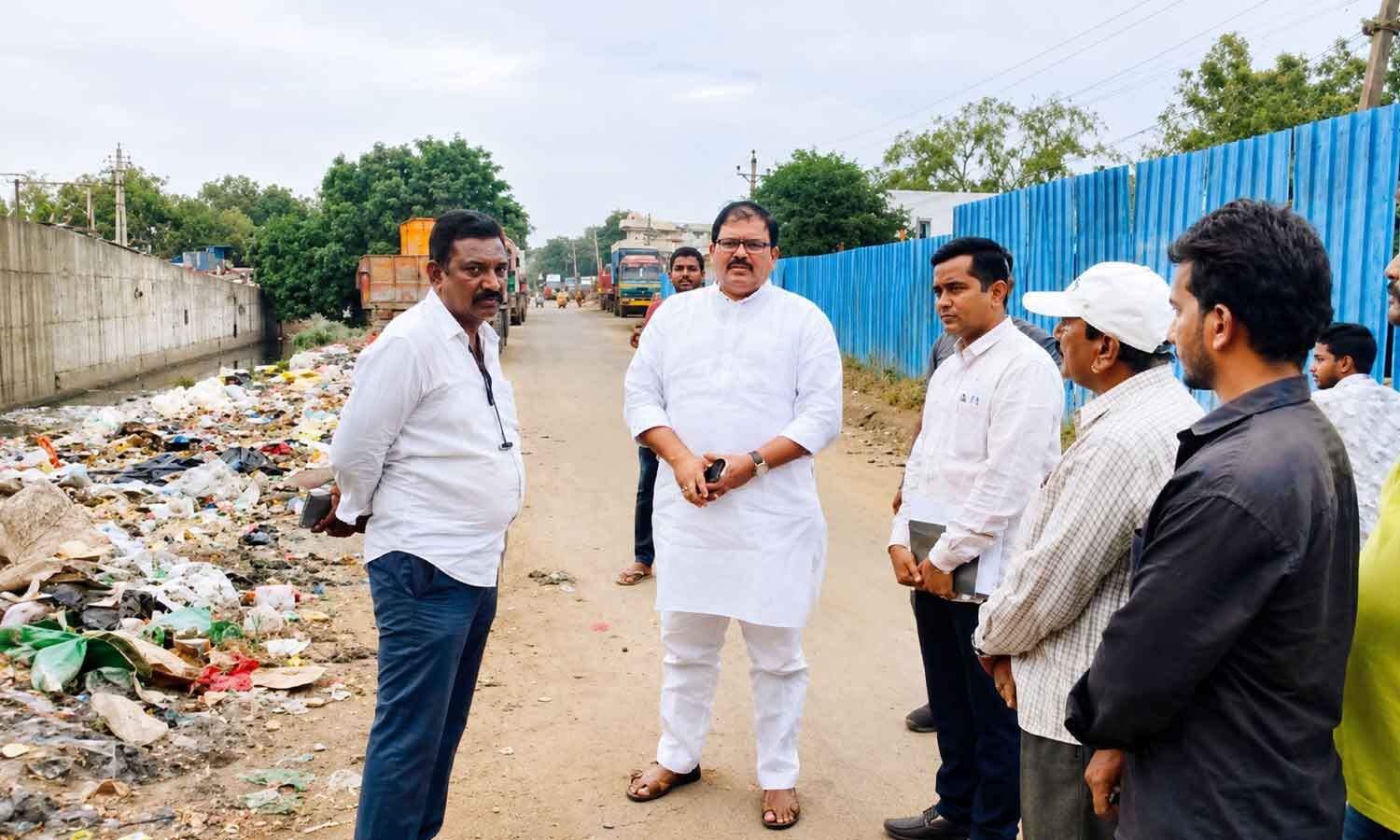
- State Swachh Andhra Corporation Chairman Kommareddy Pattabhiram, Municipal Commissioner Challa Obulesu, civic officials, and private contractors.
- What
- Officials reviewed and sought faster completion of Waste-to-Energy and Integrated Solid Waste Management projects.
- Where
- The inspection was held at the Gargeyapuram dump yard in Kurnool, with legacy waste also located at Joharapuram.
- When
- The inspection took place on Wednesday.
- Why
- The projects are intended to provide a permanent garbage-disposal solution, process fresh waste, generate electricity, and reduce conventional dumping.
Key facts
- Legacy waste
- Nearly 10 lakh metric tonnes
- Dump-yard area
- 60 acres across Gargeyapuram and Joharapuram
- Waste-to-Energy plant
- Planned on 15 acres at an estimated cost of Rs 330 crore
- Project model
- Public-Private Partnership
- Integrated waste plant
- Developed on 9.5 acres at a cost of Rs 8 crore
- Processing capacity
- 200 metric tonnes of solid waste daily
Sources
Related news
Kurnool Plans Rs 330 Crore Solid Waste Plant

Kurnool Commissioner Orders Faster Bio-Mining at Gargayapuram Dump Yard
AP government aims for dumping yard-free state, says minister
Officials Order Legacy Waste Removal in Penamaluru Dump Yard

PMRDA Plans 36.5-Acre Waste Plant for 19 Pune Bodies

Delhi Mayor Orders More Machinery to Clear Bhalswa Landfill
ED Alleges Ex-Minister and Son Used Liquor Scam Funds
Ex-Minister Nageswara Rao Arrested in AP Liquor Transport Scam