3 hrs ago
Bangladesh Rejects India Outreach as Jamaat Shapes Foreign Policy
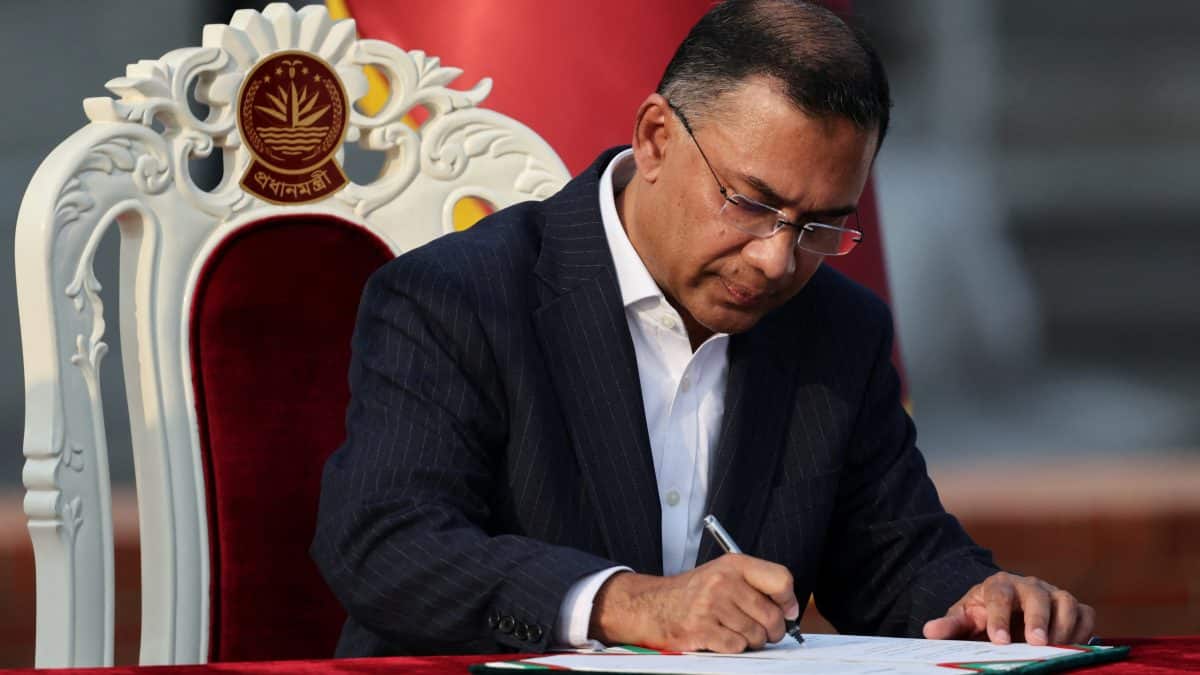
Bangladesh was invited by India to attend a BRICS-related meeting in New Delhi.
Bangladesh said its prime minister should first make a separate visit to India.
India says it wants to improve relations and has taken steps such as appointing a new high commissioner and restarting visas.
Bangladesh remains unhappy that former Prime Minister Sheikh Hasina is living in India.
Jamaat-e-Islami, a party that favors keeping more distance from India, is now an important opposition force.
The article argues that this political pressure is affecting Bangladesh’s foreign policy.
It also describes concerns about attacks on Hindu communities and the detention of monk Chinmoy Krishna Das.
Das was allowed to attend his mother’s cremation only after she had died.
The two countries still need to address practical issues such as trade, water sharing, and connectivity.

Bangladesh declined India’s invitation to the BRICS outreach in New Delhi on September 12 and 13, saying Prime Minister Tarique Rahman’s first visit should be bilateral.
India has sought to repair ties since the BNP won Bangladesh’s February 2026 election, appointing Dinesh Trivedi as high commissioner and resuming travel visas.
Dhaka continues to cite Sheikh Hasina’s presence in India and its extradition request as obstacles to closer relations.
Jamaat-e-Islami, which holds 68 parliamentary seats and opposes close alignment with India, is outside the cabinet but remains politically influential.
The detention of Hindu monk Chinmoy Krishna Das and continuing reports of attacks on Hindus have intensified concerns about minority security in Bangladesh.
- Who
- The governments of Bangladesh and India, led by Prime Minister Tarique Rahman and Prime Minister Narendra Modi, are central to the dispute; Jamaat-e-Islami is an influential opposition force.
- What
- Bangladesh publicly declined India’s invitation to the BRICS outreach meeting, reflecting wider tensions over bilateral relations, Sheikh Hasina, minority security, and Jamaat’s political influence.
- Where
- The diplomatic dispute concerns Bangladesh and India, including the BRICS outreach in New Delhi and Chinmoy Krishna Das’s detention in Chattogram.
- When
- The BRICS outreach took place on September 12 and 13; the article also discusses developments following Bangladesh’s February 2026 election and events through September.
- Why
- Bangladesh said Rahman’s first visit should be bilateral, while the article attributes the strained relationship to Hasina’s presence in India, domestic political pressure, and anti-India sentiment.
Bangladesh’s Position
India-Focused Criticism
BRICS outreach invitation
Bangladesh’s Position
Bangladesh said Rahman’s first visit to India should be bilateral and that attending as BIMSTEC chair would not meet that expectation.
India-Focused Criticism
The article characterizes the invitation as a diplomatic outreach courtesy and argues that refusing it showed deliberate distance from India.
Sheikh Hasina’s presence in India
Bangladesh’s Position
Bangladesh continues to seek Hasina’s extradition and regards her presence and public statements from India as obstacles to improved relations.
India-Focused Criticism
The article argues that India’s handling of the extradition request should not permanently prevent cooperation on water, trade, connectivity, and security.
Jamaat’s political influence
Bangladesh’s Position
Jamaat is not part of the cabinet, and the BNP government has its own nationalist tradition and stated policy of avoiding dependence on any single neighbour.
India-Focused Criticism
The article argues that Jamaat and allied Islamist voices are pressuring the government to maintain distance from India and are helping shape the political climate.
Minority security
Bangladesh’s Position
The government has promised equal treatment and safety for minorities, including ahead of Durga Puja.
India-Focused Criticism
The article says reports of attacks, vandalism, intimidation, and mob violence, along with Das’s detention, suggest that official assurances have not matched conditions experienced by Hindu families.
Key facts
- Bangladesh election
- The Bangladesh Nationalist Party won 209 seats and formed the government on February 17, 2026.
- BRICS invitation
- India invited Rahman as chair of BIMSTEC, rather than in his capacity as Bangladesh’s prime minister.
- Bangladesh response
- Dhaka declined to send a government delegation to the September 12–13 outreach meeting in New Delhi.
- Jamaat representation
- Jamaat-e-Islami holds 68 seats and its leader, Shafiqur Rahman, is Leader of the Opposition.
- High commissioner
- India appointed Dinesh Trivedi as high commissioner, describing him as the first political figure to hold the post.
- Ganges treaty
- The Ganges Water Sharing Treaty is scheduled to expire at the end of December.
- Chinmoy Krishna Das
- The detained Hindu monk received five hours of parole to attend his mother’s cremation after her death.
Quotes

Humaiun Kobir
Bangladesh’s state minister for foreign affairs
“The first visit cannot be a multilateral one. A bilateral meeting will happen when the timing is conducive.”
 firstpost.com
Sources
Related news
Tarique Rahman’s India Visit Hinges on Trust
Bangladesh Sets National Interests for Uncertain Rahman India Visit
India Faces Pressure as Tarique Rahman Tests Bangladesh Ties
India and Bangladesh Seek Reset Amid Extradition Dispute

India’s Eagerness to Host Tarique Rahman Signals Changing Bangladesh Ties
India-Bangladesh Ties Face Strain as Dhaka Weighs Future

North Korean Anthem Played for South Korean Hockey Team

South Asian Countries Plan Regional Cross-Border Electricity Trade
North Korean Anthem Mistakenly Played Before South Korea Hockey Match
India Women Face Bangladesh in Asian Games Semifinal