2 weeks ago
India Faces Pressure as Tarique Rahman Tests Bangladesh Ties
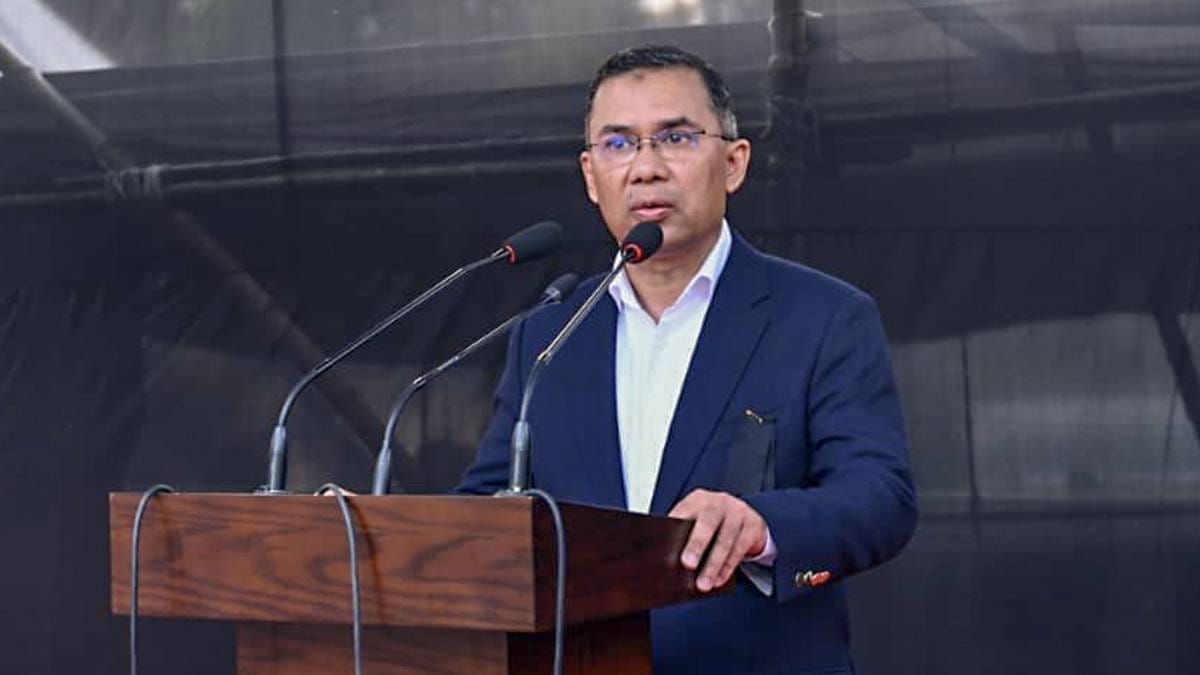
This article says India and Bangladesh are having a serious disagreement.
The writer believes Bangladesh’s Prime Minister Tarique Rahman is taking a tougher anti-India position.
India invited him to a BRICS meeting, but he may not want to visit New Delhi.
Rahman reportedly wants India to send former Prime Minister Sheikh Hasina back to Bangladesh.
Bangladesh has issued arrest warrants for Hasina over alleged crimes against humanity.
The writer says India’s extradition treaty may allow it to refuse requests involving political offences.
The article also discusses Rahman’s past conviction in a 2004 attack case.
That conviction was later cancelled, and Bangladesh’s Supreme Court upheld the acquittal.
The writer wants India to adopt a firmer policy toward Bangladesh.

The article argues that India should reconsider its Bangladesh policy amid worsening bilateral relations under Prime Minister Tarique Rahman.
India invited Rahman to the BRICS outreach session in New Delhi on 12–13 September, but he was reportedly hesitant to reciprocate with a visit.
The article links Rahman to past BNP alliances with Jamaat-e-Islami and alleged Islamist militant networks, including HuJI-B.
Rahman was convicted in the 2004 Dhaka grenade-attack case, but Bangladesh’s High Court overturned the verdict in December 2024 and the Supreme Court upheld the acquittals in September 2025.
The article says India should reject demands to extradite Sheikh Hasina, citing the India-Bangladesh treaty’s legal procedures and political-offence exception.
- Who
- India, Bangladesh Prime Minister Tarique Rahman, and former Bangladesh Prime Minister Sheikh Hasina are the main figures discussed.
- What
- The article calls for India to reconsider its Bangladesh policy and oppose Rahman’s demand for Hasina’s repatriation.
- Where
- The diplomatic dispute concerns India and Bangladesh, with the BRICS outreach session planned in New Delhi.
- When
- India’s BRICS outreach session is scheduled for 12–13 September; the article also refers to legal decisions in December 2024 and September 2025.
- Why
- The writer attributes the dispute to worsening bilateral relations, Rahman’s alleged Islamist and anti-India political alliances, and Bangladesh’s request for Hasina’s extradition.
Author’s position
Bangladesh Government’s Reported Position
India’s Bangladesh policy
Author’s position
The writer says India has accommodated Bangladesh too much and should adopt a firmer, more reciprocal policy because Dhaka’s alleged anti-India and pro-Pakistan orientation threatens regional security.
Bangladesh Government’s Reported Position
The article portrays Rahman’s government as seeking to use anti-India sentiment and Islamist alliances to strengthen its domestic political position.
Sheikh Hasina’s extradition
Author’s position
The writer argues that India should refuse to hand over Hasina, citing the extradition treaty’s procedures and its provision allowing refusal for offences considered political in nature.
Bangladesh Government’s Reported Position
Rahman’s reported precondition for visiting India is the repatriation of Hasina, while Bangladesh’s tribunal has accused her of crimes against humanity and issued an arrest warrant.
Tarique Rahman’s legal record
Author’s position
The article emphasizes Rahman’s 2018 conviction in the 2004 grenade-attack case and alleges that his past political network had links to Islamist militants.
Bangladesh Government’s Reported Position
The article also records that Bangladesh’s High Court declared the original trial illegal and that the Supreme Court later upheld the complete acquittal of Rahman and the other accused.
Key facts
- BRICS invitation
- India invited Tarique Rahman to the BRICS outreach session in New Delhi on 12–13 September.
- Extradition treaty
- The India-Bangladesh extradition treaty was signed in 2013 and amended in 2016.
- Sheikh Hasina warrants
- Bangladesh’s International Crimes Tribunal issued arrest warrants for Hasina and 45 others.
- 2004 grenade case
- A Bangladesh tribunal convicted Tarique Rahman and others in 2018 over the attack on an Awami League rally.
- High Court ruling
- Bangladesh’s High Court scrapped the 2018 verdict in December 2024, declaring the original trial process illegal.
- Supreme Court ruling
- In September 2025, Bangladesh’s Supreme Court upheld the complete acquittal of all the accused.
- Article’s policy recommendation
- The writer urges India to send a stronger message to Dhaka and consider moving BIMSTEC headquarters out of Dhaka.
Sources
Related news
Bangladesh Makes Hasina Extradition Red Line for Rahman's India Visit

Bangladesh PM's India Visit Uncertain Amid Hasina Extradition Demand
Bangladesh Sets National Interests for Uncertain Rahman India Visit
Rahman’s India Visit Uncertain Amid Hasina Extradition Dispute
India-Bangladesh Ties Strained Over Hasina Return, Extradition Row

Bangladesh PM’s India Visit Uncertain Amid Hasina Extradition Row

Former Election Commissioner Calls Electoral Roll Revision Unfair Despite Legality
Questions Mount Over Bangladesh Police Rangpur Family Murder Probe
India Challenges UK Visa Rules as Regional Political Disputes Intensify

India’s U-20 Asian Cup Qualification Hinges on Bangladesh Match
Centre Approves Four-Lane Highway Through Strategic Siliguri Corridor