1 week ago
India and Bangladesh Seek Reset Amid Extradition Dispute
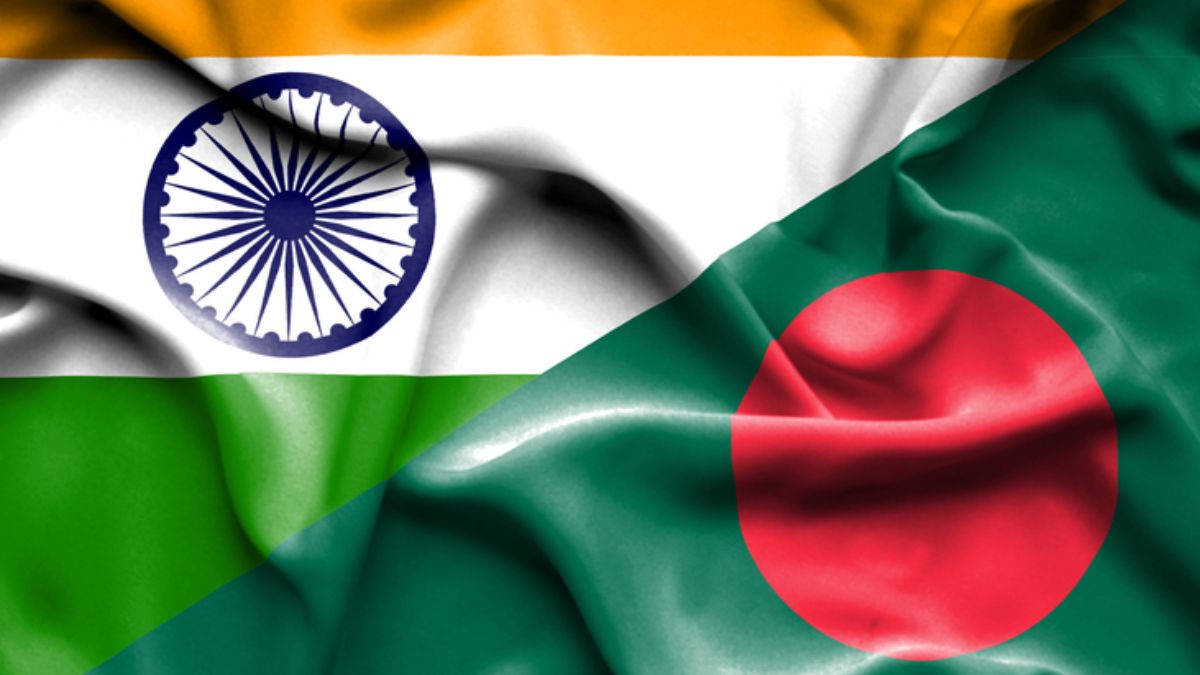
India and Bangladesh are trying to improve their relationship after Bangladesh’s government changed.
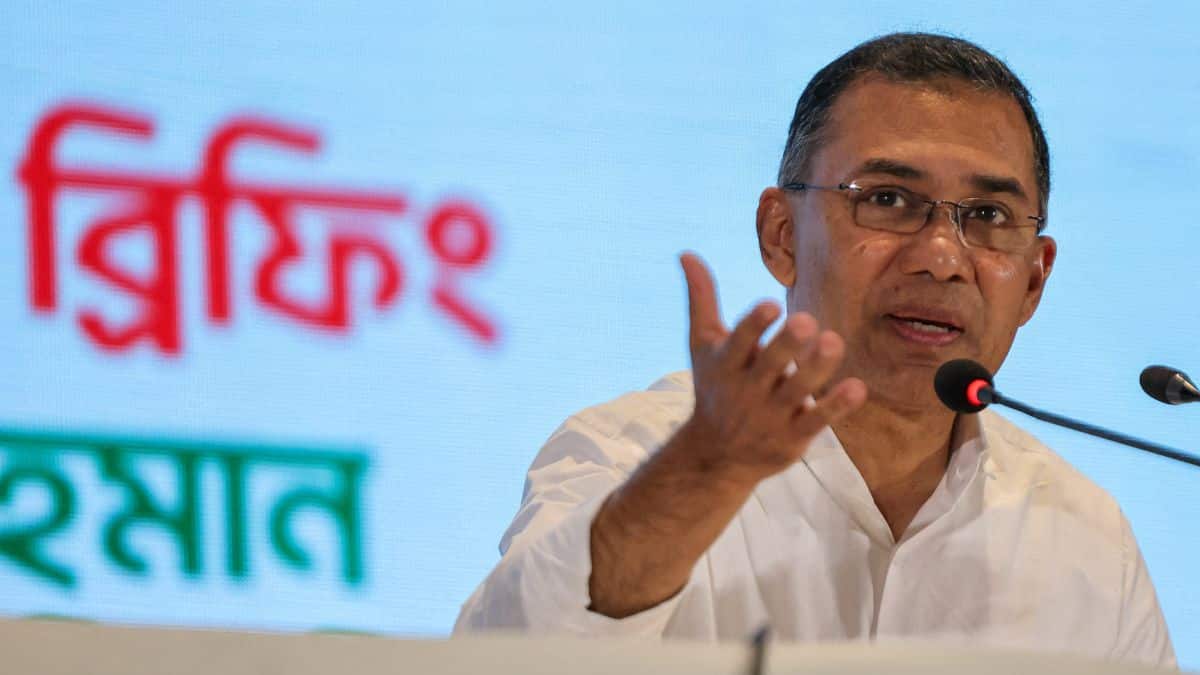
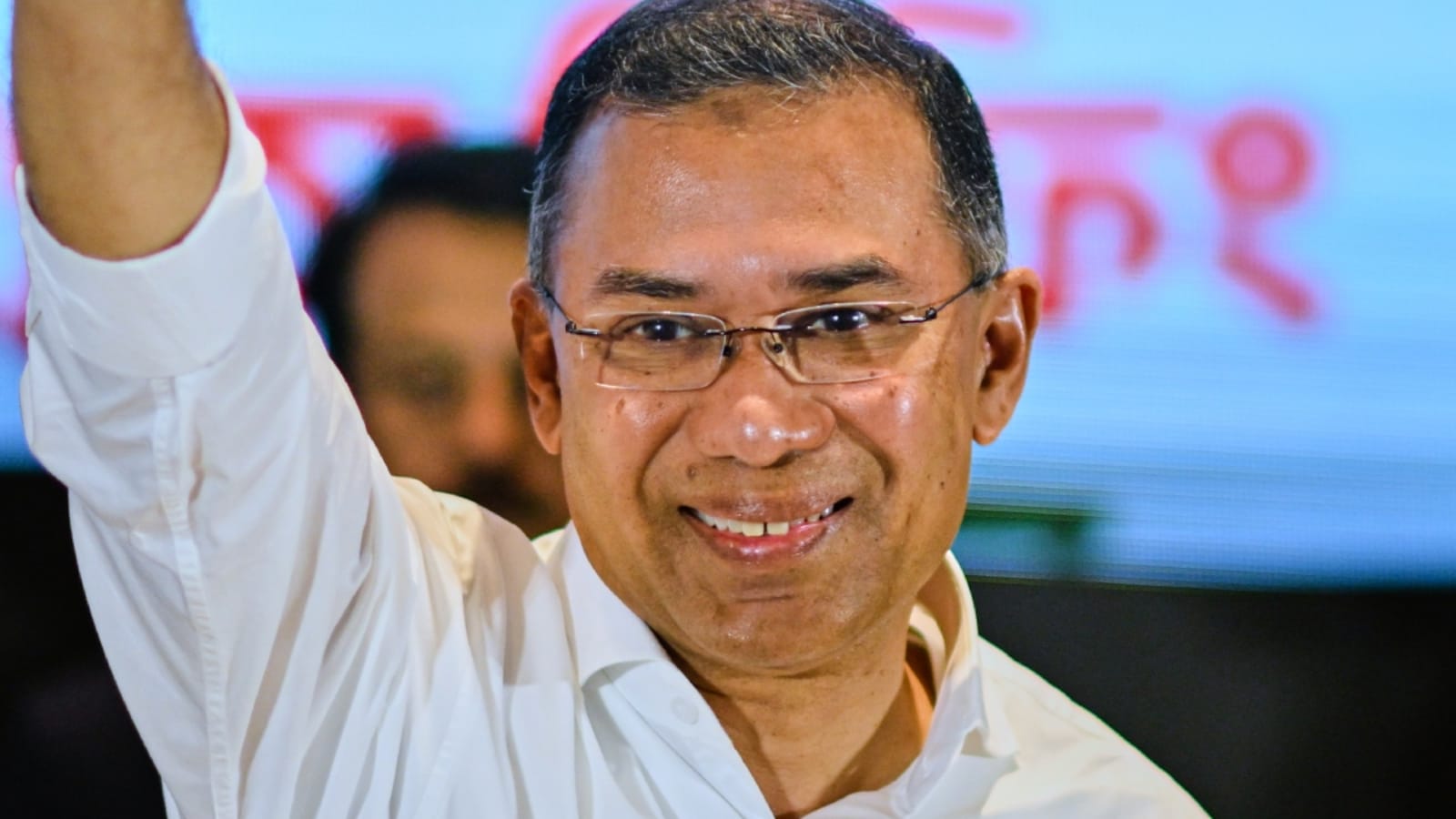
Tarique Rahman now leads Bangladesh’s administration.
India invited him to visit, but Bangladesh wants India to address the presence of former Prime Minister Sheikh Hasina.
Hasina fled to India after her government fell in August 2024.
Bangladesh says she should be extradited after being convicted by its International Crimes Tribunal.
India says it is studying the request according to established procedures.
The two countries also disagree about how much progress should happen before Rahman visits.
They still have strong reasons to cooperate because they share a border, rivers, transport links, energy systems, and trade.

India is seeking to improve ties with Bangladesh’s Tarique Rahman-led administration, which took office in February.
Rahman’s proposed visit to India faces conditions linked to Sheikh Hasina and Bangladesh’s extradition request.
India says it is examining the extradition request for Hasina through established processes and denies involvement in her New Delhi media interaction.
Both countries have expressed interest in rebuilding relations based on dignity, equality, mutual trust, and respect.
Shared rivers, infrastructure, connectivity, a 4,000-kilometre border, and substantial trade give both sides incentives to restore dialogue.
- Who
- India, Bangladesh’s Tarique Rahman-led administration, and former Prime Minister Sheikh Hasina are the main parties.
- What
- The two countries are discussing a reset in bilateral relations, while Bangladesh links Rahman’s proposed India visit to its request for Hasina’s extradition.
- Where
- The diplomatic dispute concerns India and Bangladesh, including Hasina’s presence in New Delhi and Rahman’s proposed visit to India.
- When
- Rahman’s administration assumed office in February; Hasina fled Bangladesh in August 2024; her virtual media interaction occurred earlier this month.
- Why
- Both countries seek stronger cooperation, but Bangladesh wants its concerns over Hasina addressed before relations move forward.
Bangladesh’s Position
India’s Position
Conditions for Rahman’s visit
Bangladesh’s Position
Bangladesh has attached tough conditions to Tarique Rahman’s proposed visit, including the extradition of Sheikh Hasina and other criminal figures to create a more favorable environment.
India’s Position
India has invited Rahman and says it wants a positive, constructive, and forward-looking relationship, but it is examining the extradition request through established procedures.
Handling Sheikh Hasina
Bangladesh’s Position
Bangladesh is concerned that Hasina’s virtual media interaction from New Delhi and her stated intention to return could affect its new leadership and political order.
India’s Position
India insists it had nothing to do with Hasina’s press conference and has not committed to extradition, saying the request remains under examination.
Basis for the bilateral reset
Bangladesh’s Position
Rahman says Bangladesh First should guide the relationship and emphasizes autonomy, dignity, equality, mutual trust, and benefits for ordinary people.
India’s Position
India wants to put the past behind it and believes dialogue and regional connectivity can strengthen cooperation despite outstanding differences.
Key facts
- Bangladesh’s administration
- Led by Tarique Rahman and assumed office in February.
- Sheikh Hasina
- Fled to India after the collapse of her government in August 2024.
- Extradition request
- Bangladesh has asked India to extradite Hasina and other criminal figures.
- India’s position
- India says it is examining the request through established processes and denies involvement in Hasina’s media interaction.
- Border
- India and Bangladesh share a border about 4,000 kilometres long.
- Trade
- Bangladesh accounts for 37.5% of India’s total two-way trade in the region, according to the article.
- Regional cooperation
- The countries share rivers, railway networks, energy infrastructure, and regional connectivity interests.
Sources
Related news

India’s Eagerness to Host Tarique Rahman Signals Changing Bangladesh Ties
Bangladesh PM Tarique Rahman Likely To Visit India Next Week

Bangladesh PM's India Visit Uncertain Amid Hasina Extradition Demand
Bangladesh Sets National Interests for Uncertain Rahman India Visit
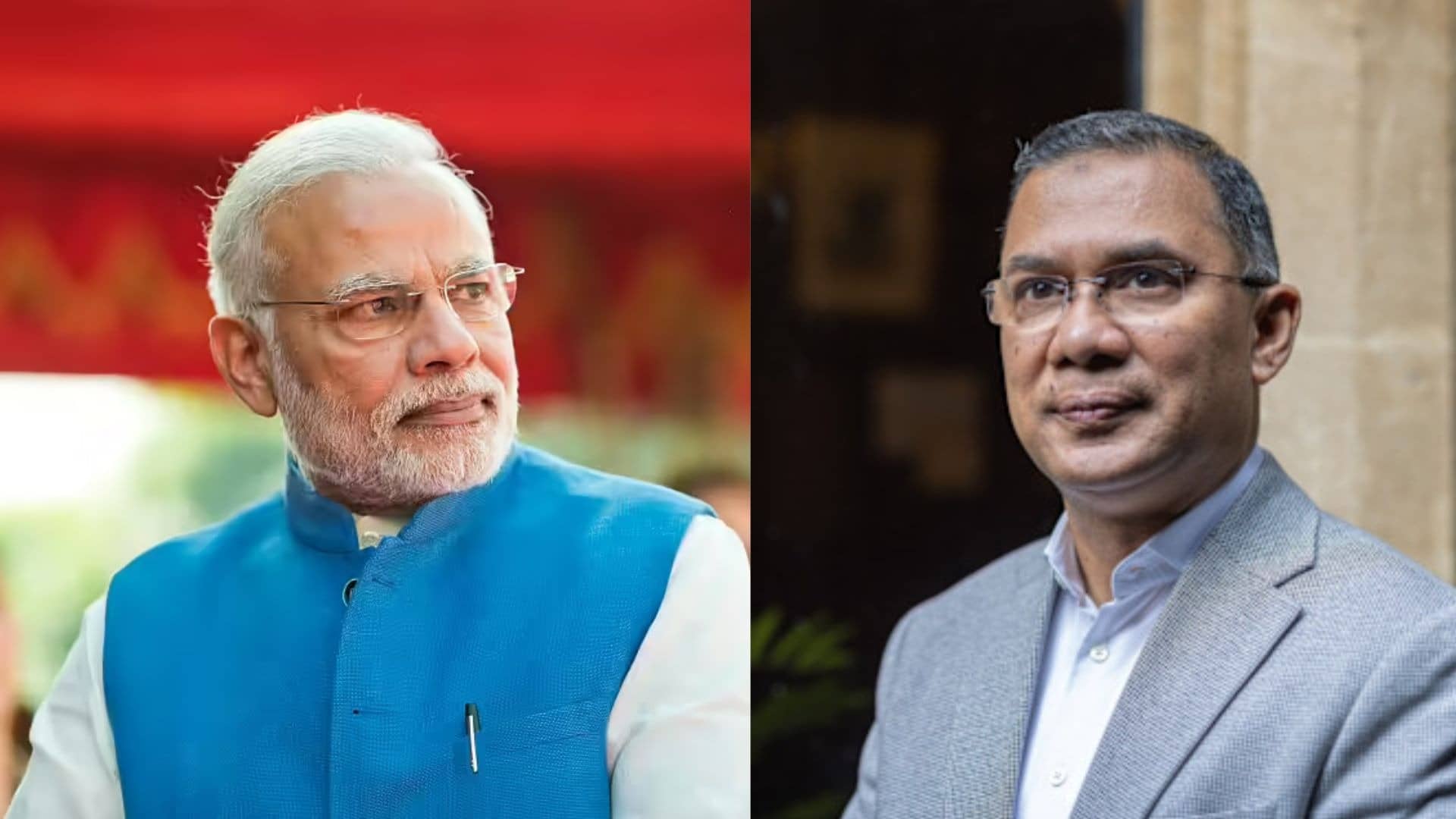
Bangladesh PM Tarique Rahman Eyes First India Visit, BRICS Summit
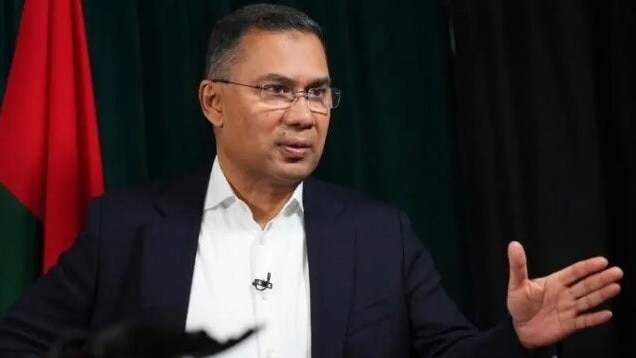
Bangladesh Makes Hasina Extradition Red Line for Rahman's India Visit
Bangladesh Recall Shanto, Mahmud for Asian Games T20 Squad

Sharma and Malik share halfway lead at Telangana Golconda Masters
India Replaces Sri Lanka as 2027 Women’s Champions Trophy Host
Centre Assures JDU Bihar’s Interests In Farakka Treaty Decision
India’s Record Wheat Harvest Opens $1.5 Billion Export Window