1 week ago
Bangladesh Sets National Interests for Uncertain Rahman India Visit
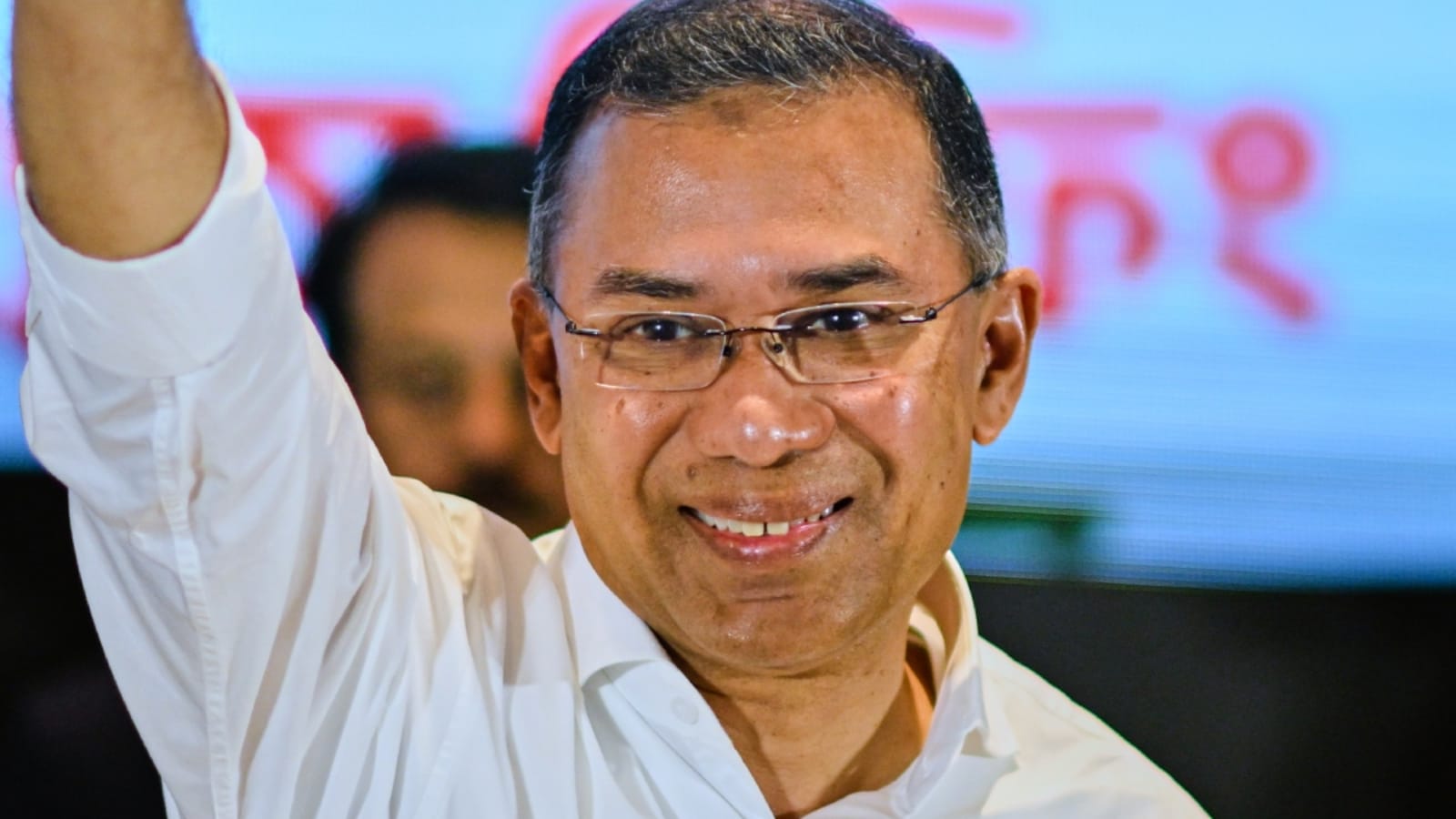
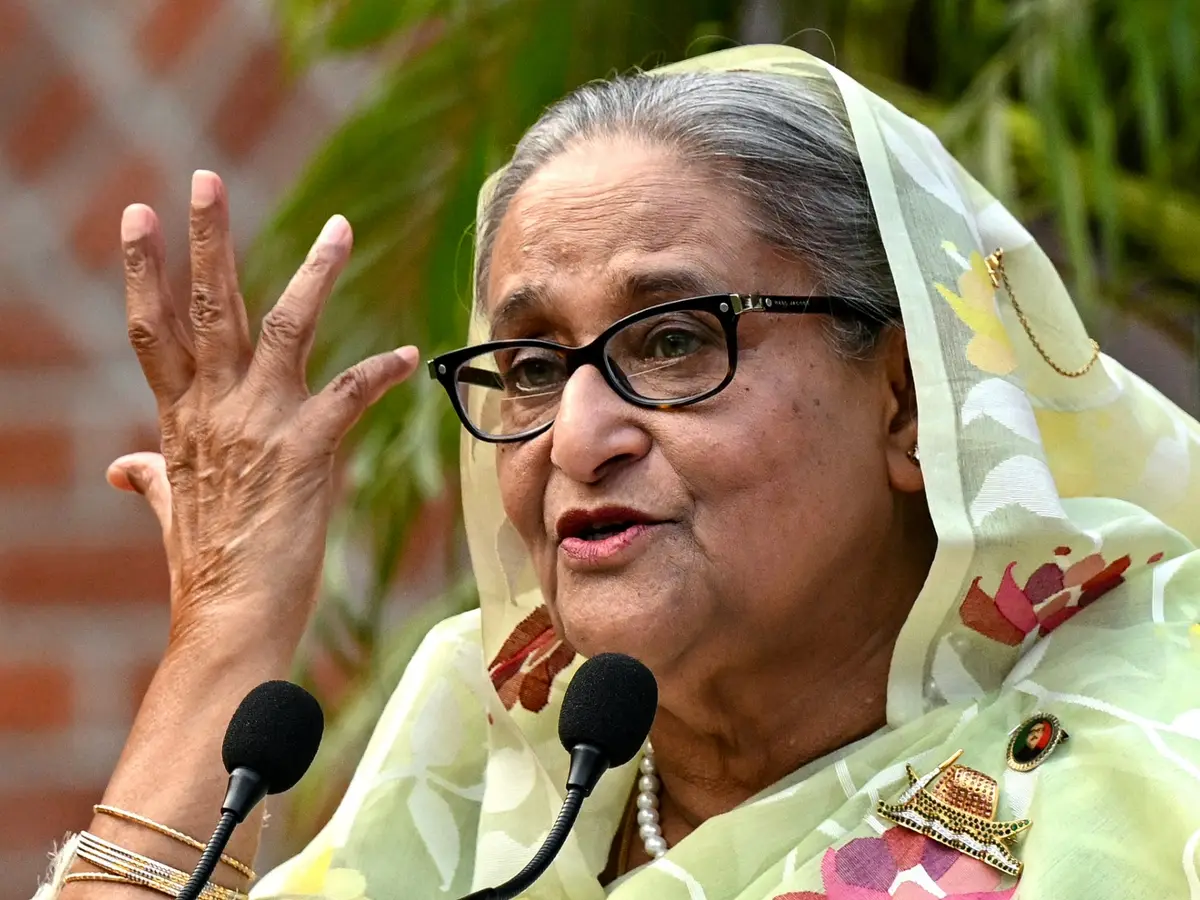
Tarique Rahman may visit India, but Bangladesh says there is no need to hurry.
Bangladesh wants the visit to protect its national interests and follow enough preparation and discussion.
The two countries have had difficult relations since Sheikh Hasina left Bangladesh for India.
Bangladesh wants India to extradite Hasina and is unhappy that she made political comments from New Delhi.
Some Bangladeshi leaders want a tougher approach toward India.
Other officials say Bangladesh still needs to work with its neighbor on rivers, migration, and other practical matters.
India says both countries should gain something from their relationship.
The visit could still happen, but no final date has been confirmed.

Tarique Rahman’s possible visit to India remains uncertain, with reports differing on proposed timing and ongoing discussions.
Bangladesh says the trip will occur only after adequate preparation, substantive talks, and progress on bilateral issues.
Dhaka continues to demand Sheikh Hasina’s extradition and criticized her August 5 media interaction from New Delhi.
Bangladesh’s government is divided between pragmatic cooperation with India and demands for a harder diplomatic stance.
India says its relationship with Bangladesh should be based on reciprocity or mutual interest, while key issues include 54 shared rivers and the Ganges Water Treaty.
- Who
- Tarique Rahman, Bangladesh’s government, Sheikh Hasina, and Indian officials are central to the dispute.
- What
- Bangladesh is delaying or keeping open Rahman’s possible India visit while seeking progress on bilateral issues, including Hasina’s extradition.
- Where
- The issue involves Dhaka and New Delhi, while Hasina is in India.
- When
- The visit was previously reported for the third week of August; another report says India invited Rahman for a bilateral visit and a September 12–13 outreach session, but no final timing is confirmed.
- Why
- Bangladesh says the visit must serve its national interests and be supported by substantive bilateral progress; the extradition dispute has further strained relations.
Pragmatic engagement
Hard-line pressure
Timing of the visit
Pragmatic engagement
Officials favor a visit after sufficient preparation and substantive discussions, but say it could happen quickly if an agreement serving Bangladesh’s interests is reached.
Hard-line pressure
Political opponents and other hard-line voices oppose normalizing relations until the Hasina extradition issue is resolved.
Sheikh Hasina’s presence in India
Pragmatic engagement
Some Bangladeshi officials would accept Hasina remaining in India as a private citizen if she stopped making political statements and influencing Bangladesh’s politics.
Hard-line pressure
Bangladesh is demanding her extradition and objects to her public political activity from India.
Policy toward India
Pragmatic engagement
Bangladesh’s Foreign Ministry and bureaucracy stress the need for a working relationship to address migration, shared rivers, and the Ganges Water Treaty.
Hard-line pressure
Hard-line political actors argue that stronger pressure on India is necessary to defend Bangladesh’s sovereignty and respond to domestic anti-India sentiment.
Key facts
- Visit status
- Bangladesh says there is no rush, and Rahman’s press secretary said no final decision had been made.
- Possible timing
- One report said the visit was planned for the third week of August; another said India invited Rahman for a bilateral visit and a September 12–13 outreach session.
- Bangladesh’s position
- State Minister Humaiun Kobir said any visit should follow adequate preparation, substantive discussions, and necessary groundwork.
- Extradition demand
- Dhaka has requested Sheikh Hasina’s extradition; India says the request is under examination under applicable legal procedures.
- Hasina media interaction
- Bangladesh criticized Hasina’s August 5 virtual media interaction from New Delhi, while India said it neither organized nor endorsed the event.
- Shared waterways
- Bangladesh and India share 54 transboundary rivers.
- Water treaty
- The Ganges Water Treaty is due to expire in December, according to the report.
- India’s stated approach
- Indian officials have referred to reciprocity and mutual interest as principles for the bilateral relationship.
Quotes
A source in Dhaka
An unnamed source familiar with the Bangladeshi government’s position on relations with India
“We want a positive relationship with India. Why wouldn't we? They are our neighbours. We should have a working relationship.”
 rediff.com
“But it has to be done by prioritising Bangladesh's national interests”
rediff.com
Sources

Related news

Bangladesh PM's India Visit Uncertain Amid Hasina Extradition Demand
Rahman’s India Visit Uncertain Amid Hasina Extradition Dispute
India Reaffirms Bangladesh Ties Amid Visit Uncertainty
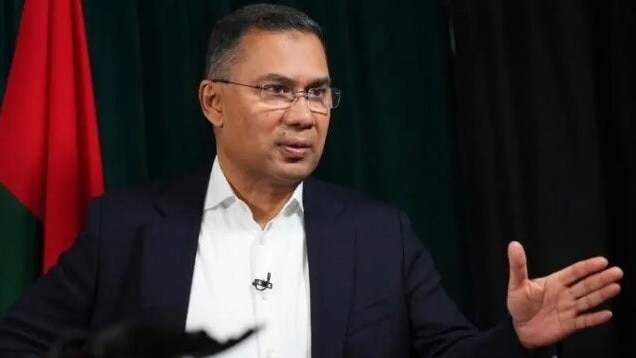
Bangladesh Makes Hasina Extradition Red Line for Rahman's India Visit

Bangladesh PM’s India Visit Uncertain Amid Hasina Extradition Row
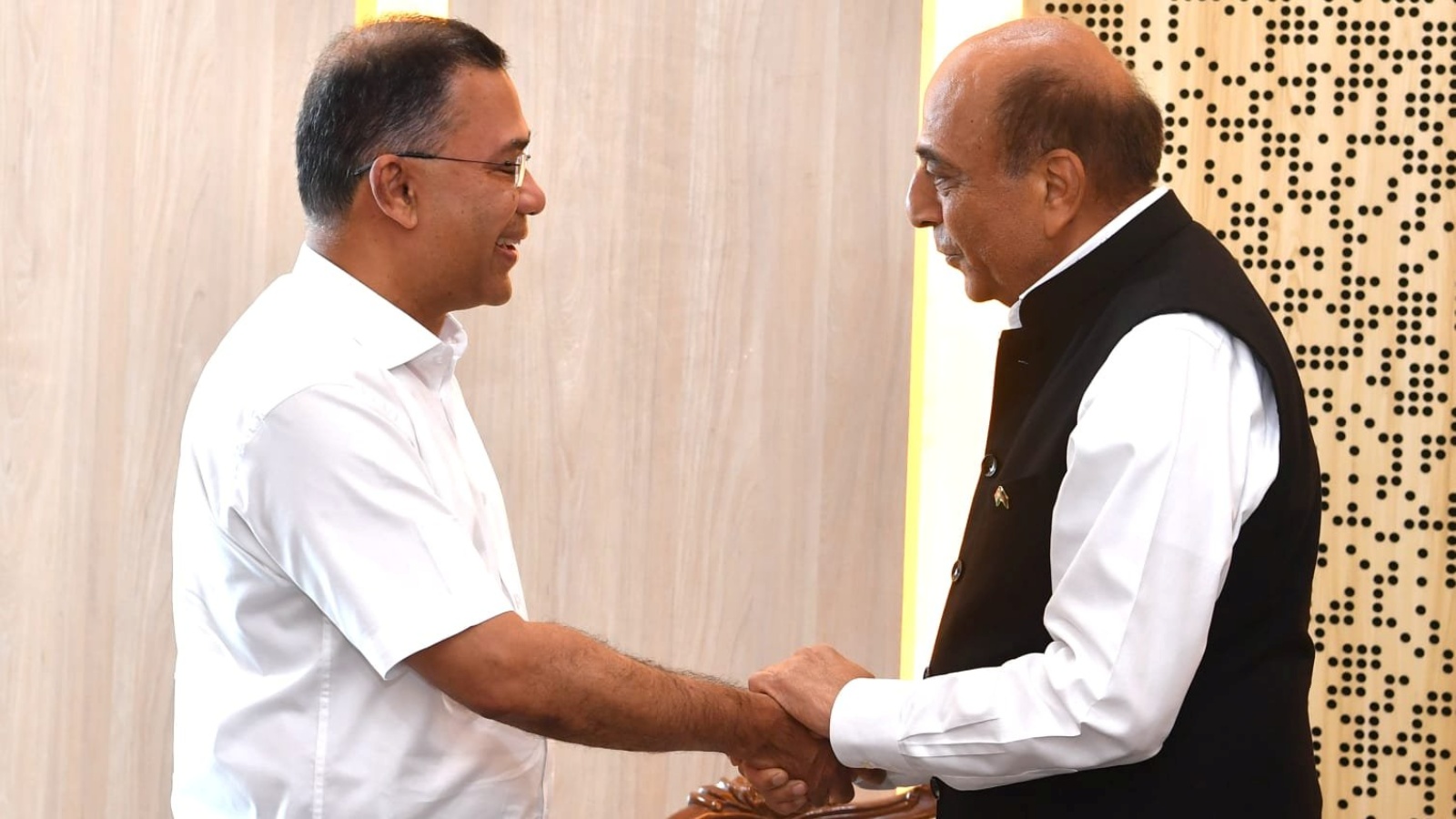
Bangladesh PM Tarique Rahman Likely to Visit India August 20-25
India’s Record Wheat Harvest Opens $1.5 Billion Export Window
West Bengal CM Crushes Nearly 2 Lakh Seized Syrup Bottles
India, Bangladesh Seek Deeper Parliamentary and People-to-People Ties
Bangladesh Radicalisation Raises Concerns About Security Spillover Into India

Bengaluru Police Transfer 31 Bangladeshi Nationals for Deportation