3 weeks ago
Erratic Southwest Monsoon Rains May Leave Nilgiris Parched
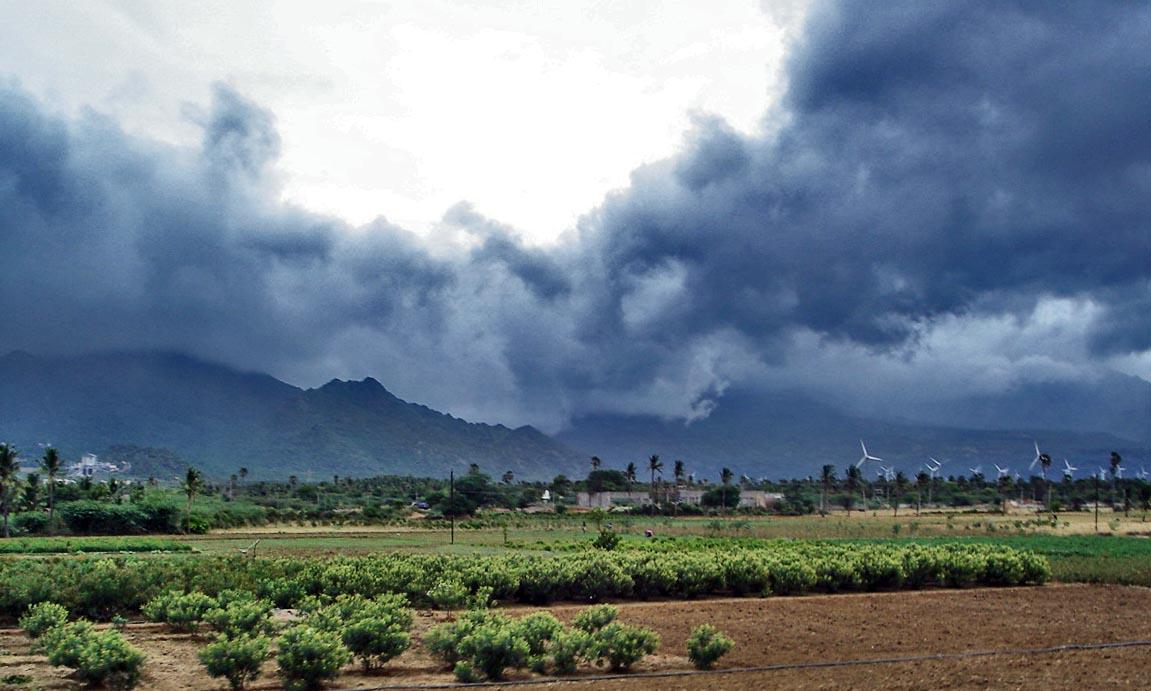
The Nilgiris are hills that usually get a lot of rain in June and July.
This year, the rain did not come as much as it normally does.
The rainy season, called the southwest monsoon, lasts from June to September.
By August 10, the hills had received only 384 millimeters of rain instead of the usual 525 millimeters.
That means about 28 percent less rain than normal.
The town of Ooty got far less rain than the rest of the hills.
If the rain does not improve, town residents could have trouble getting enough drinking water.
Some parts of the hills, like the western side, did receive good rain, which helped their water reservoirs.
The Parson's Valley reservoir, the main source of drinking water for Ooty, has been getting helpful rain recently.
People are hoping the rest of the season brings enough rain to make up for the dry start.

The Nilgiris received 384 mm of rain from June 1 to August 10, a nearly 28 percent deficit against the normal average of 525 mm.
Ooty town limits recorded only 135 mm of rainfall, described as a 180 per cent deficit, showing the monsoon's uneven distribution.
June and July, usually the wettest months, lacked their customary copious rainfall this year in the central Nilgiris urban limits.
Western Nilgiris and some rural areas received appreciable rainfall, helping reservoirs in the western Nilgiris fill a little.
Water supply issues could hit the hills, especially urban limits, if the second half of the June–September southwest monsoon fails to compensate.
- Who
- Residents of the Nilgiris hills, especially those in Ooty town limits
- What
- A deficit in southwest monsoon rainfall that may cause water supply issues in the hills, especially in urban limits
- Where
- The Nilgiris hills, particularly Ooty town limits and the Kundah, Gudalur and Pandalur taluks
- When
- During the southwest monsoon season from June to September, with rainfall data covering June 1 to August 10
- Why
- The hills received nearly 28 percent less rainfall than normal, and Ooty town got only 135 mm, so the second half of the season must compensate to avoid water problems
Key facts
- Rainfall (June 1–August 10)
- 384 mm against a normal average of 525 mm
- Overall rainfall deficit
- Nearly 28 percent
- Ooty town rainfall
- 135 mm, a 180 per cent deficit
- Monsoon season
- Southwest monsoon, June to September
- Main drinking water source for Ooty
- Parson's Valley reservoir, west of Ooty
- Usually wettest months
- June and July
- Areas highlighted
- Ooty, Kundah, Gudalur and Pandalur taluks
Sources
Related news

Weak Monsoon Cuts Siruvani Water Supply to Coimbatore

Nilgiris Hill Farmers Appeal for Irrigation Schemes Amid Rain Deficit

India's Uneven Monsoon Leaves Regions Facing Severe Rain Deficits

Tamil Nadu reservoir storage falls to 37% amid weak monsoon

El Nino skews monsoon rains; low-pressure systems narrow deficit

Darshan Jariwala Recalls Ranbir-Katrina Chemistry, Salman’s Cameo
Check Dam Helps Sustain Tribal Farming During Nilgiris Drought

A Childhood Among India’s Early Sugar Mills and Factories
Astro-Bio 2026 Explores Medicines and Human Health in Space
Ooty Workshop Examines Space Simulation and Human Biology Research